


I’m a committed caseless-phone person. Metal and glass feel better in the hand, unfiltered. But the Pixel 10 Pro made me break an otherwise ironclad rule. It does have a nice polished frame, but looks can be deceiving, and the truth is it’s about as slippery in regular use as anything ever made — which sends me to shout at my cases from “nice to have” all the way to “must”.
Why the Pixel 10 Pro’s glossy frame makes drops likely
The glossy frame of the Pixel 10 Pro soaks up oils and fingerprints quickly, and that sheen reduces surface friction just enough to make the phone feel slippery.

The round sides exacerbate the issue: less surface area contacting your fingers leads to less grip. It’s not you (a clumsy user); the ergonomics are stacked against you.
In my first few weeks, I had more near-drops than I usually do in a few months. I ironically went with the Pro instead of bigger uber-class and ugh-uberclass ones, seeing it as a more comfortable one-handed solution. It outdoes them in weight, and is a smidgeon smaller — although the finish balances out those differences. When a phone keeps slipping off sofa arms and out of jeans pockets, it’s not the finish helping.
Why the math of risk and repair costs favors a case
Independent drop testing from organizations like Allstate Protection Plans consistently demonstrates that glass-and-metal flagships can execute a faceplant onto the pavement at common heights, and especially on irregular surfaces.
Sure, the Pixel’s display and back may be protected with strong glass — but the laws of physics don’t haggle: shiny sides equal easy drop-and-shatters.
Simple fixes on the latest generation of top-of-the-line flagships can easily swell into the hundreds when you include parts, labor, and lost time, as well as any small cosmetic damage that eats into resale value. A wafer of a grippy case is cheap insurance — especially on a device you expect to use for the next few years.
Finding better grip without turning your phone into a brick
My specifications were few: provide some friction, retain one-handed convenience, don’t ruin the silhouette of the phone, and preserve charging versatility. Clear hybrid cases show off your color but tend to yellow over time, and they can have hard edges that dig into your palm. Those super thin aramid fiber cases feel and look great, but unsurprisingly most of them suffer when it comes to actually absorbing impacts.
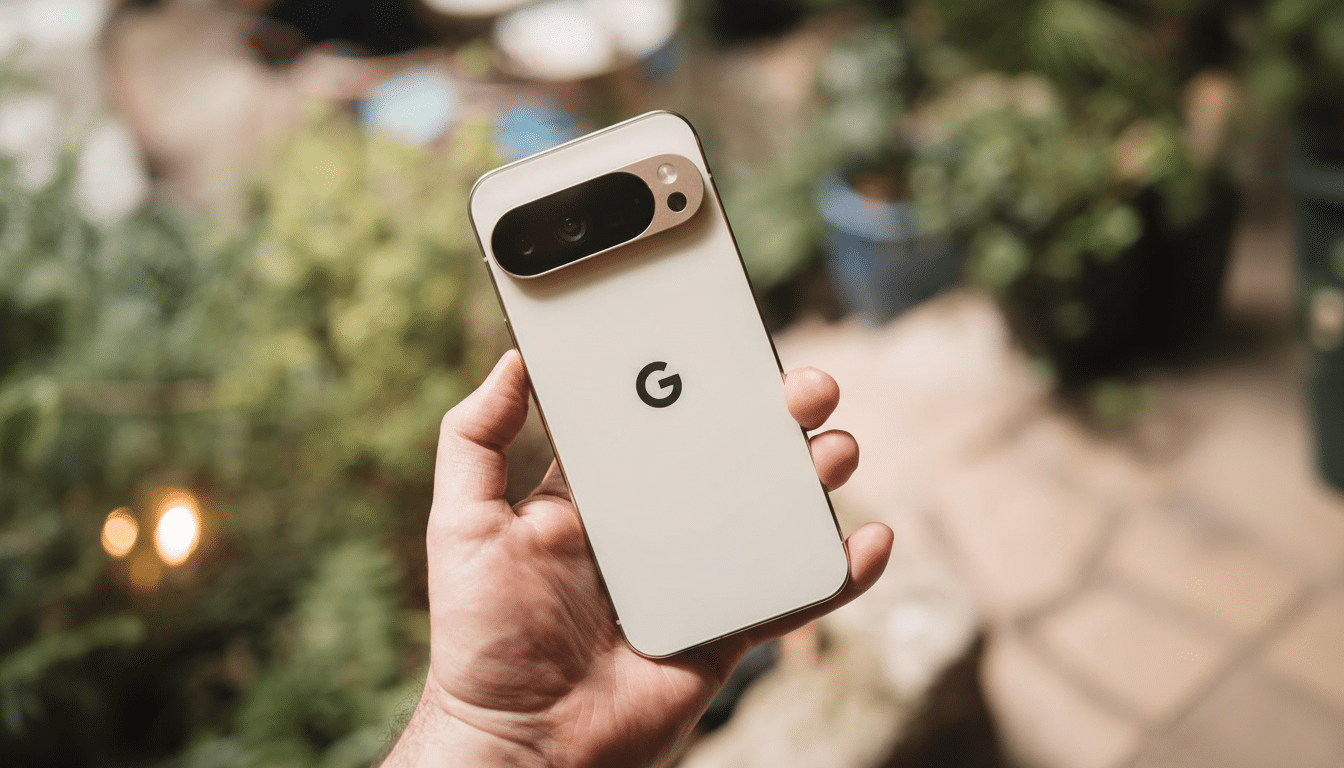
Grippy TPU with soft-touch texture is the sweet spot. The case I’ve landed on is a slim, rubberized number with a faint geometric pattern that adds enough traction to fine-tune, without snags getting in and out of pockets. It incorporates a Qi2-aligned magnetic ring, which means the Pixel stays centered on and stuck to magnetic chargers or mounts better than airier old Qi pads — great if you keep it in your car or on your nightstand.
The results are instantaneous — the phone no longer skates across tabletops, the frame is no longer polished soap, and buttons still have a click. A reasonable lip around the screen and the camera bar provides face-down and lens protection while not making the phone feel top-heavy. The pattern grooves do accumulate dust with repeated use, but a wipe clears them.
What else works for grip and what pitfalls to watch for
For specialty manufacturers, aramid fiber choices provide a featherweight counterpart with superior handfeel and a naturally grippy weave. They also tend to be pricier and thinner at the corners, so they work best in tandem with a quality screen protector if you go that route. High-clarity glass from trusted brands is able to fend off scratches and yellowing for an extended period, but take note of the back-side bumpers and corner rails — should they be sharpened like a blade, it’s likely to leave an imprint in your palm after long play sessions.
Whichever you choose, make sure it includes raised protection around the camera, that the button cutouts align precisely, and that it’s truly Qi2 compatible if you use magnetic chargers. And keep in mind that “slim” is all relative: a millimeter here or there can be the difference between a phone feeling unobtrusive and one feeling like you could expand your biceps by curling it.
How Google could improve grip and ergonomics next time
This isn’t an unsolvable problem. Just a tiny bit, though: matte bead-blasted aluminum or a light microtexture on the rails would provide 50% more purchase for no increase in ugliness. The sides are a little flatter and let fingers grip much more. Other manufacturers have transitioned their premium lines from polished to brushed or matte finishes, and there are surely benefits in smudge resistance and ergonomics.
Until then, pragmatically mixing it up: caseless at my desk, cased on the go. The Pixel 10 Pro’s cameras and software are good enough that I’m motivated to keep this hardware mint. A thin, grippy case not only defends it, but makes the phone feel how it should’ve felt out of the box: planted, confident, and at last under control.
