


I spent the past week swapping SIMs between the Google Pixel 10 Pro XL and Samsung Galaxy S25 Ultra, and the gap between them is razor-thin. Both are Android flagships built for the AI era, both promise seven years of updates, and both push hardware in thoughtful ways. Choosing one comes down to what you value most: computational smarts and comfort, or raw performance and a best-in-class display.
Performance, thermals, and on-device AI tools compared
Google’s Tensor G5 is tuned for on-device AI, and it shows. Magic Cue surfaces context-aware actions across apps, Gemini Live handles voice tasks with minimal lag, and the updated image signal processor powers new camera tricks like 100X ProRes Zoom. In everyday use—jumping between maps, messaging, and photo edits—the Pixel feels fluid and smartly anticipatory.
- Performance, thermals, and on-device AI tools compared
- Camera showdown, zoom reach, and computational tricks
- Displays in sunlight, reflections, and daily ergonomics
- Battery endurance, charging speeds, and Qi2 accessories
- Software support, updates, and long-term device security
- Price differences, value, and which phone fits your needs
- Final verdict for Pixel 10 Pro XL vs Galaxy S25 Ultra
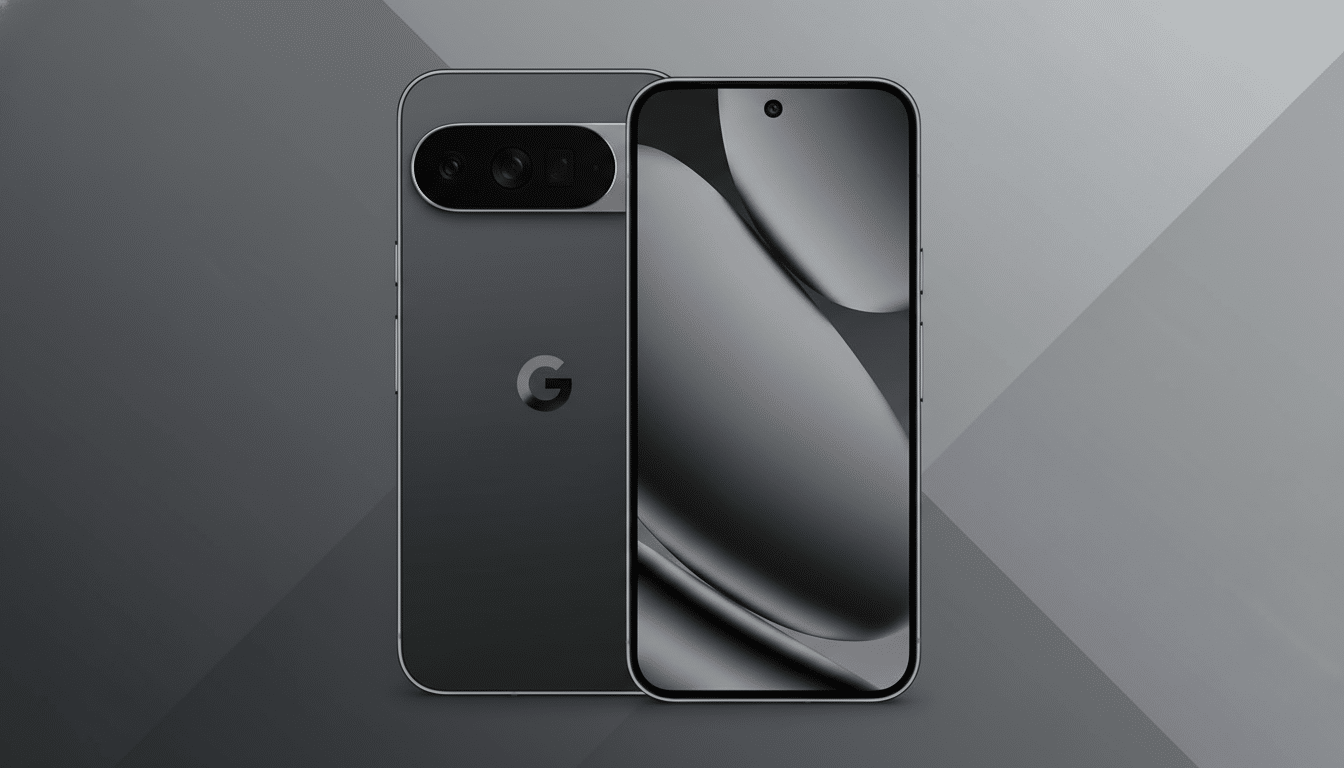
Samsung’s Galaxy S25 Ultra leans on the Qualcomm Snapdragon 8 Elite, which remains the safer bet for sustained performance and thermals. In my stress tests—long video exports and extended gaming—the Ultra stayed cooler and held peak speeds longer. Power users, creators, and gamers will appreciate that headroom. Samsung also integrates many of Google’s Gemini features, so you don’t miss marquee AI capabilities by choosing the Ultra.
Camera showdown, zoom reach, and computational tricks
The S25 Ultra’s camera array offers more hardware flexibility, with multiple focal lengths and tuning that favors punchy, social-ready images. Night shots are crisp, autofocus is snappy, and video stabilization is reliable. It’s the system I reach for when I want consistently vivid results with minimal editing.
Google counters with computational precision. The Pixel 10 Pro XL’s 48MP telephoto and Tensor G5 enable 100X ProRes Zoom that does more than enlarge pixels—it recognizes subjects and intelligently restores fine detail. At a dusk soccer match, the Pixel read jersey numbers from the stands more cleanly than the Ultra, which held steadier but showed more noise at extreme ranges. Tools like Add Me and Camera Coach are genuinely helpful, guiding framing and expanding what a single take can capture. The philosophical debate about generative edits aside, the Pixel’s camera suite is the most forgiving for imperfect technique.
Displays in sunlight, reflections, and daily ergonomics
On paper, these panels are nearly twins: LTPO AMOLED screens that sweep from 1Hz to 120Hz and get flagship-bright. In practice, Samsung pulls ahead thanks to a glare-reducing coating that meaningfully cuts reflections. Under direct sun, the S25 Ultra is easier to read and better for composing photos. This is the kind of low-reflectance approach display analysts, including those at DisplayMate, have long argued improves real-world visibility more than raw brightness alone.
Ergonomically, the Pixel wins. Its flat sides and softened corners make a large phone feel less unwieldy. The S25 Ultra’s boxier silhouette looks sharp but can dig into the palm over long sessions. Slap cases on both and the difference becomes even more pronounced. If all-day comfort matters, the Pixel’s hand feel is a quiet advantage.
Battery endurance, charging speeds, and Qi2 accessories
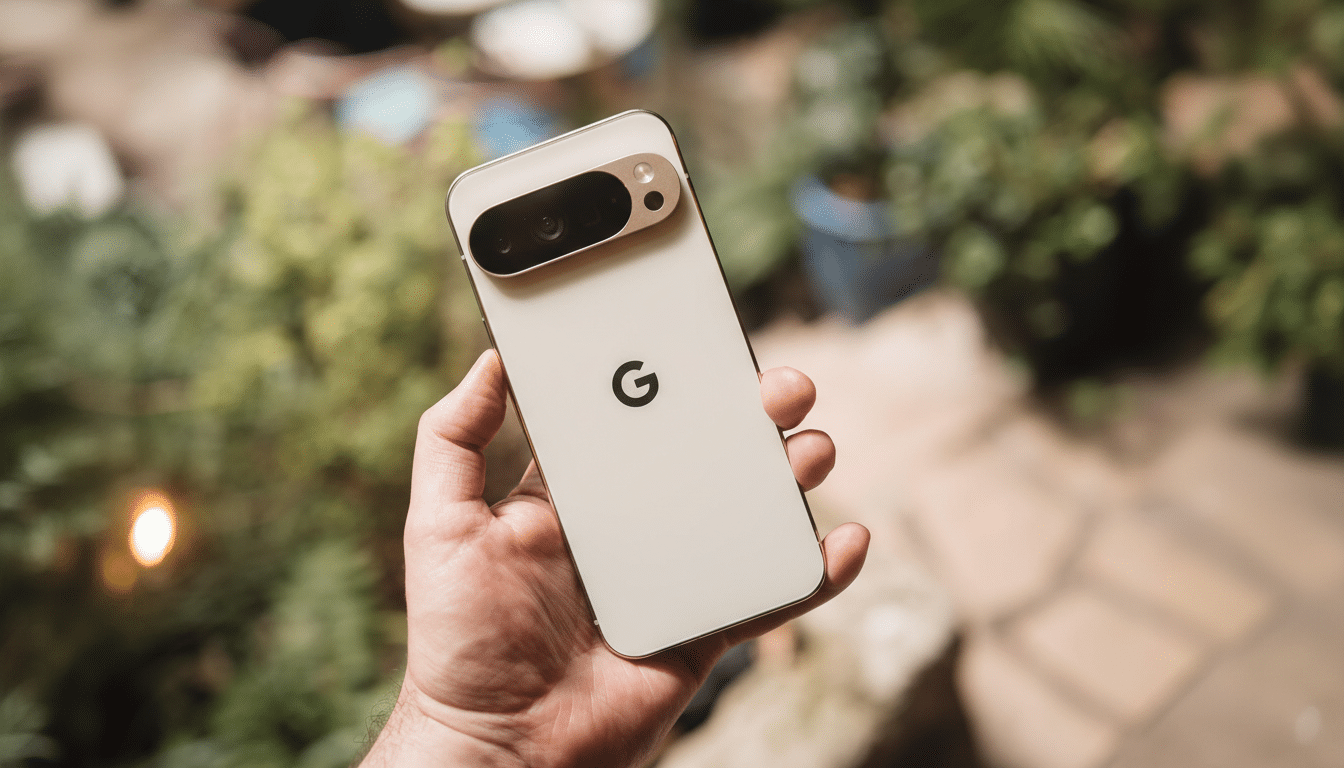
The Pixel 10 Pro XL packs the largest battery ever in a Google phone and now supports faster wired and wireless charging. It also adds Qi2 magnetic alignment and the PixelSnap accessory system, which makes car mounts, stands, and grips delightfully seamless—no kludgy adapters required.
The S25 Ultra counters with efficiency. The Snapdragon 8 Elite’s power management, combined with Samsung’s tuning, consistently left me with a little more remaining charge at night on heavy days. Neither device induced range anxiety, but if you push your phone hard with gaming, camera use, and hotspotting, the Ultra tends to stretch a bit further between top-ups.
Software support, updates, and long-term device security
Both brands now promise up to seven years of OS upgrades and security patches, aligning with the direction industry analysts at firms like Counterpoint Research say improves longevity and resale value. Google’s clean Pixel UI gets new features first, including regular Feature Drops. Samsung layers in its own productivity touches and enterprise-grade protections via Knox, while Google’s Titan security architecture quietly hardens the Pixel. In short, you’ll be covered well into the next hardware cycle either way.
Price differences, value, and which phone fits your needs
The Pixel 10 Pro XL undercuts the Galaxy S25 Ultra by $100 and feels like the better ergonomics and accessory ecosystem play, especially if you rely on wireless charging and mounts. The S25 Ultra justifies its premium with the display advantage, stronger sustained performance, and a camera profile tuned for instant shareability.
Final verdict for Pixel 10 Pro XL vs Galaxy S25 Ultra
If you prize comfort, computational photography, and smarter-by-default software, the Pixel 10 Pro XL is the Android to buy. If you prioritize a glare-beating display, top-shelf sustained performance, and vivid photos straight from the viewfinder, the Galaxy S25 Ultra is the safer bet. After testing both, I’d lean Samsung for power users and heavy media creators—and Google for everyone who wants a phone that quietly anticipates what you’re trying to do and makes it easier to do it.
