


A grueling stress test came to an explosive end this week when a Google Pixel 10 Pro Fold smartphone seemingly ignited and billowed smoke during a signature bend test by the JerryRigEverything YouTube channel.
To the host, Zack Nelson, who’s been bending and scratching at smartphones for years now, the phone didn’t just flex; it failed out loud.
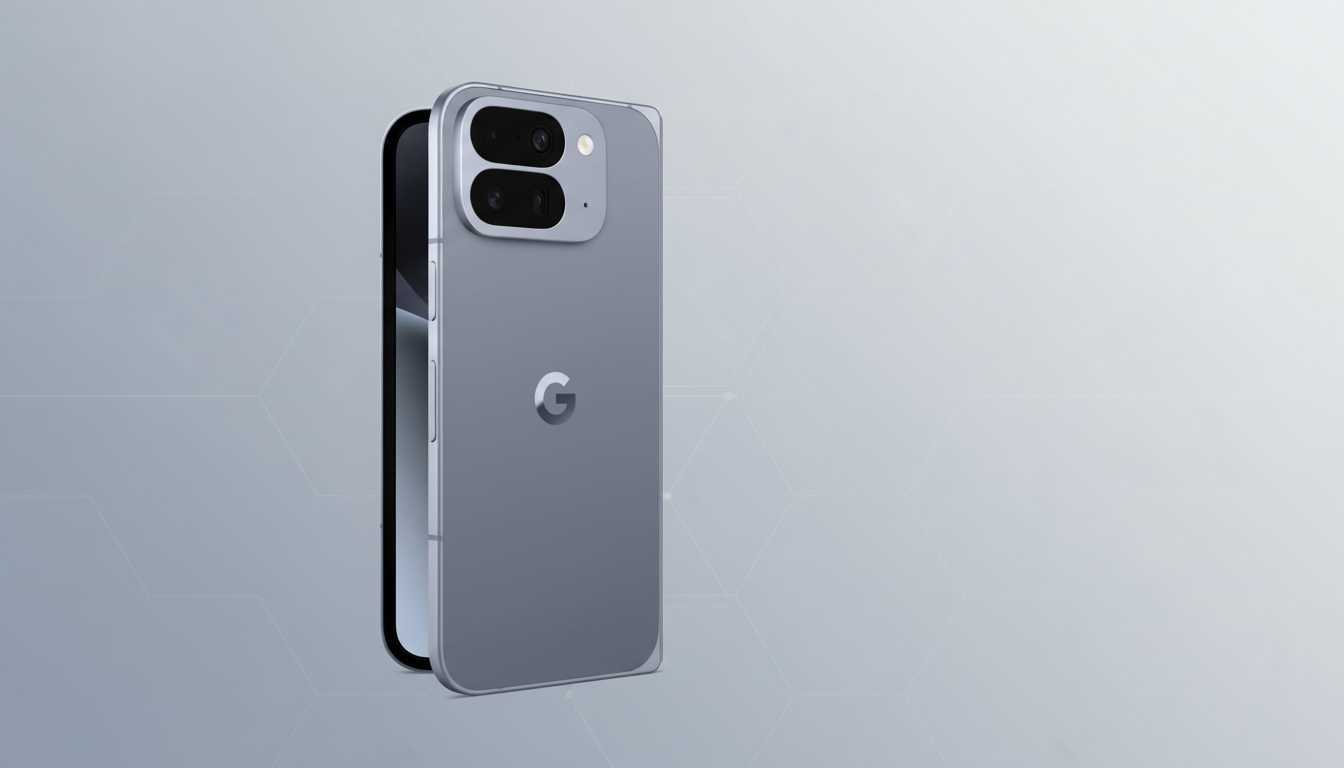
What the video shows during the Pixel bend test
In the video, Nelson applies increasing pressure to the Pixel 10 Pro Fold and ultimately gives it a hard twist against the hinge. When the stress exceeds what any owner would subject it to, the device buckles and then quickly vents white smoke — a signature trait of failed lithium-ion batteries. The phone is mounted on the workbench, inert, with only a burn mark indicating that an internal cell was crushed or pierced.
Nelson notes on his channel this is the first time a device has actually “exploded” during a bend test despite 10 years’ worth of standardized testing. He follows the same process on other devices, which have previously revealed flex-point weaknesses in phones such as the OnePlus 10 Pro without causing a battery to explode. This kind of thing doesn’t happen. It is not routine.
Why lithium-ion batteries can overheat and catch fire
Lithium-ion battery packs are made of small individual cells that store a lot of energy in a small space. Under conditions where a cell is crushed, bent, or penetrated, the separator film can rupture and an internal short occurs, which leads to rapid heat generation. As temperatures rise, the electrolyte can vent flammable gases and cause thermal runaway — a vicious cycle that plays a fireworks display for the cameras and is perilous if you’re in close quarters.
These risks are minimized with crush and abuse tests in standards like UL 1642 and IEC 62133, along with protective circuits that automatically shut the battery off when an abnormal amount of current is flowing. But no safety system can mitigate a direct mechanical insult to a battery pouch. Things are even trickier with foldables: on these devices, the pack is usually staggered across the two halves of the chassis, surrounding a hinge assembly that becomes strained during extreme bending.
Context from repair and safety experts on the incident
After the video, repair specialist Elizabeth Chamberlain of iFixit told reporters that the incident may not be evidence of a widespread problem.
One possibility is state of charge — because the fuller a cell, the more energy it contains, catastrophic failures can be more spectacular due to the stored energy released as physical destruction. (Hobbyists and labs frequently do this as a safety measure when destructively testing.)
Agencies like the U.S. Consumer Product Safety Commission have pointed out time and time again that most of those lithium-ion incidents in recent years were specific to high-capacity micromobility devices, not phones.
Safety incidents are statistically rare in cellphone use, given the many billions of phones that have been in circulation over the years, even though there are memorable outliers — like last year’s Galaxy Note7 recall and sporadic charging-related fires — that underscore why manufacturers build multiple layers of protection into these devices.
Does this mean the Pixel 10 Pro Fold is unsafe?
One popular video is not a failure rate. The bend test, in particular, is JerryRigEverything intentionally trying to destroy a phone beyond real-world usage. The result illustrates what can happen when you physically damage a lithium-ion battery, not what the average user should expect from everyday drops, pocketing, or folding.
Indeed, independent confirmation would demand a controlled lab replication — multiple units, measurements of applied force, battery charge level, and post-mortems to pinpoint where failure occurred. Failing that, the kindest interpretation is that it suffered some horrific mechanical abuse at a vulnerable spot and developed an internal short, which then did what damaged lithium cells do — vent violently.
What This Tells Us About Foldable Durability
Manufacturers test foldables to hundreds of thousands of hinge cycles, but those repetitive movements take place within the hinge’s designed arc. Applying torque beyond that arc — twisting the chassis or pressing the panels beyond their design stop, say — introduces stress away from the neutral plane, precisely where batteries, flex cables, and antenna lines reside.
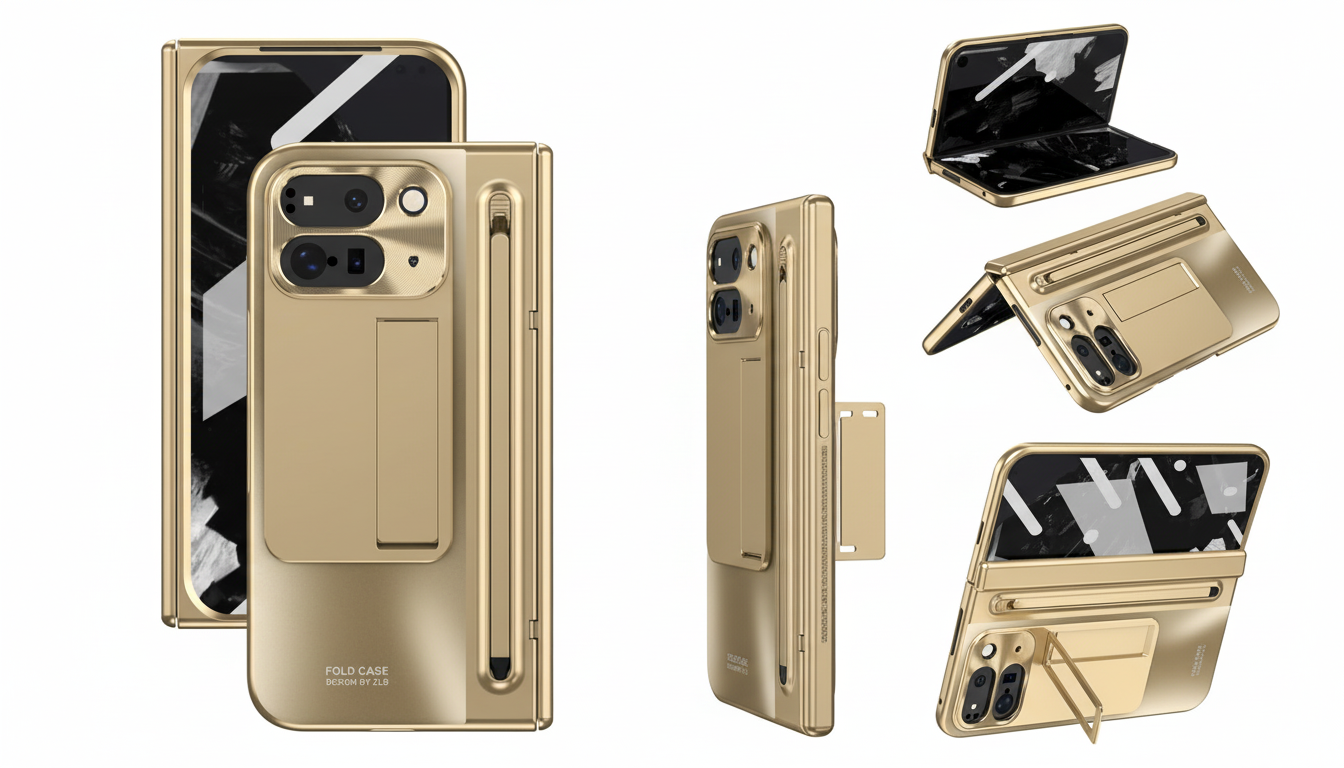
For buyers, the lesson here is not to fear foldables, but to respect their design limitations. For years, this was valid; at least you could depend on a slab phone doing better in torsion. If you desire the convenience of a book-style reading attachment, get a case that strengthens the spine and don’t sit on it, twist it, or jam it into other tight situations that subject the device to crosswise force.
Important note about reproducing this test and safety
Do not try this at home. Even small phone cells can emit hot gases and particulates — including hydrofluoric compounds — that can burn eyes and lungs. Professional reviewers who run destructive tests usually do so on nonflammable surfaces, with a contingency plan in place and the insurance costs already accounted for.
The upshot: the Pixel 10 Pro Fold’s pyrotechnic failure is compelling footage and a useful reminder about the physics that go on inside our pockets. It illustrates the razor-thin tolerances of today’s batteries, the peculiar stress map of foldable phones, and what it means to push a device harder than reality does.
