


My Oura Ring flagged “major signs of strain” before I felt the slightest twinge of a cold. I shrugged, went to work, and told myself the algorithm had it wrong. Twenty-four hours later, I was shaking with chills, running a fever, and staring at an app that now showed multiple biometrics out of range. The ring had called it days before my body admitted it.
This kind of early warning is exactly what modern wearables are built to surface. They sit on your body around the clock, translating subtle shifts in heart rate, heart rate variability (HRV), skin temperature, and respiration into simple guidance: take it easy, or carry on. In my case, I ignored the nudge—then spent the next few days learning, from bed, how accurate those nudges can be.
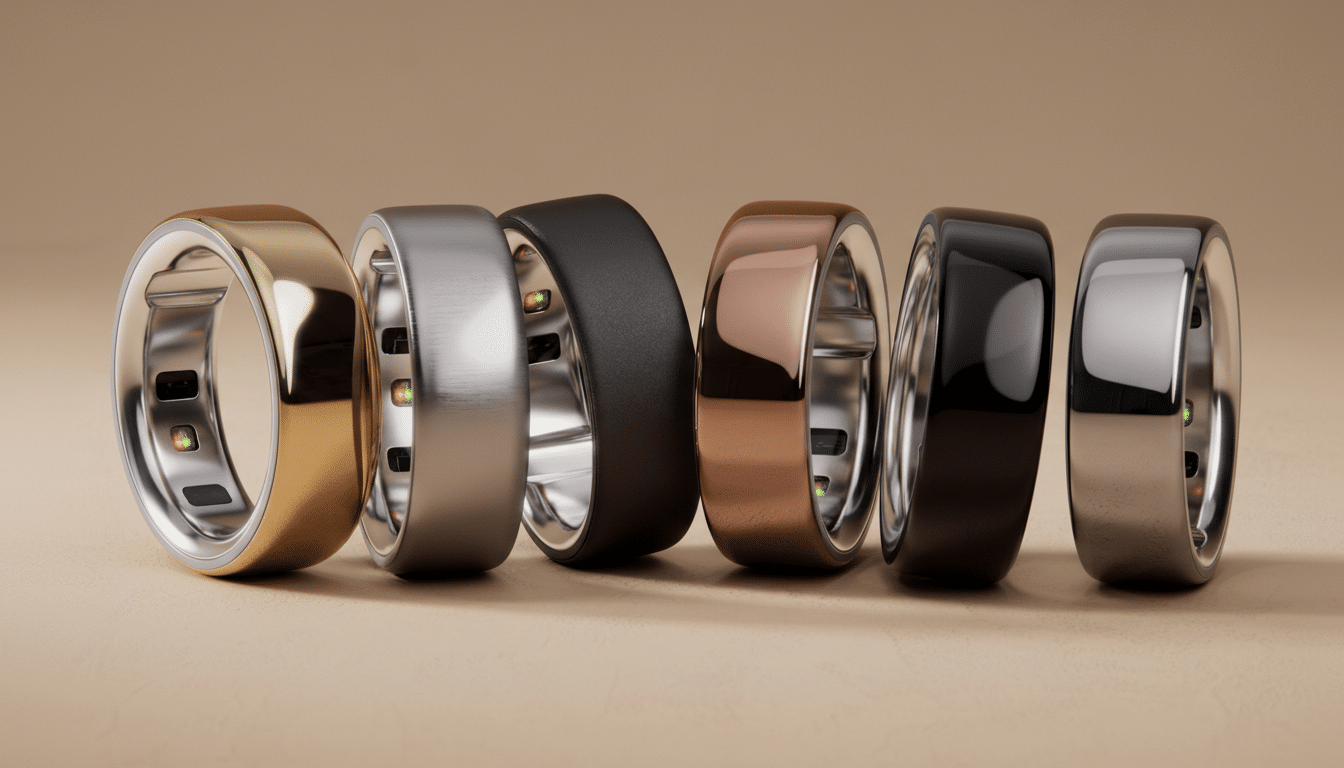
What Oura’s Symptom Radar Is Really Watching
Oura’s Symptom Radar compares your nightly biomarkers against your personal baseline, not a generic population model. That matters. Small deviations for me—like a 1- to 2-degree Fahrenheit rise in skin temperature, a jump in resting heart rate, and a drop in HRV—can be larger red flags than a single number taken in isolation.
On the morning before I felt sick, my dashboard showed a clear “major strain” banner even though individual scores didn’t look terrible. By the following day, the pattern snapped into focus: temperature up, resting heart rate up, HRV down, respiration rate elevated. The story those metrics told lined up perfectly with how I felt as symptoms hit.
The Evidence For Early Illness Detection
Research groups have been testing this premise for years. Stanford Medicine reported that consumer wearables flagged physiological changes ahead of symptom onset in roughly 80% of COVID-19 cases they monitored, often several days early. Scripps Research’s DETECT study found that combining resting heart rate, sleep, and activity data improved identification of flu-like illness beyond self-reported symptoms alone. And UCSF’s TemPredict project, which analyzed Oura temperature and cardiovascular signals, showed that overnight data can anticipate fever patterns that track with infection.
These are not diagnostic tools; they’re early-warning systems. Real life is messy. Travel, alcohol, poor sleep, overtraining, or stress can mimic illness signatures. But when multiple signals move together—temperature rises while HRV drops and respiration ticks up—the likelihood that your body is fighting something increases.
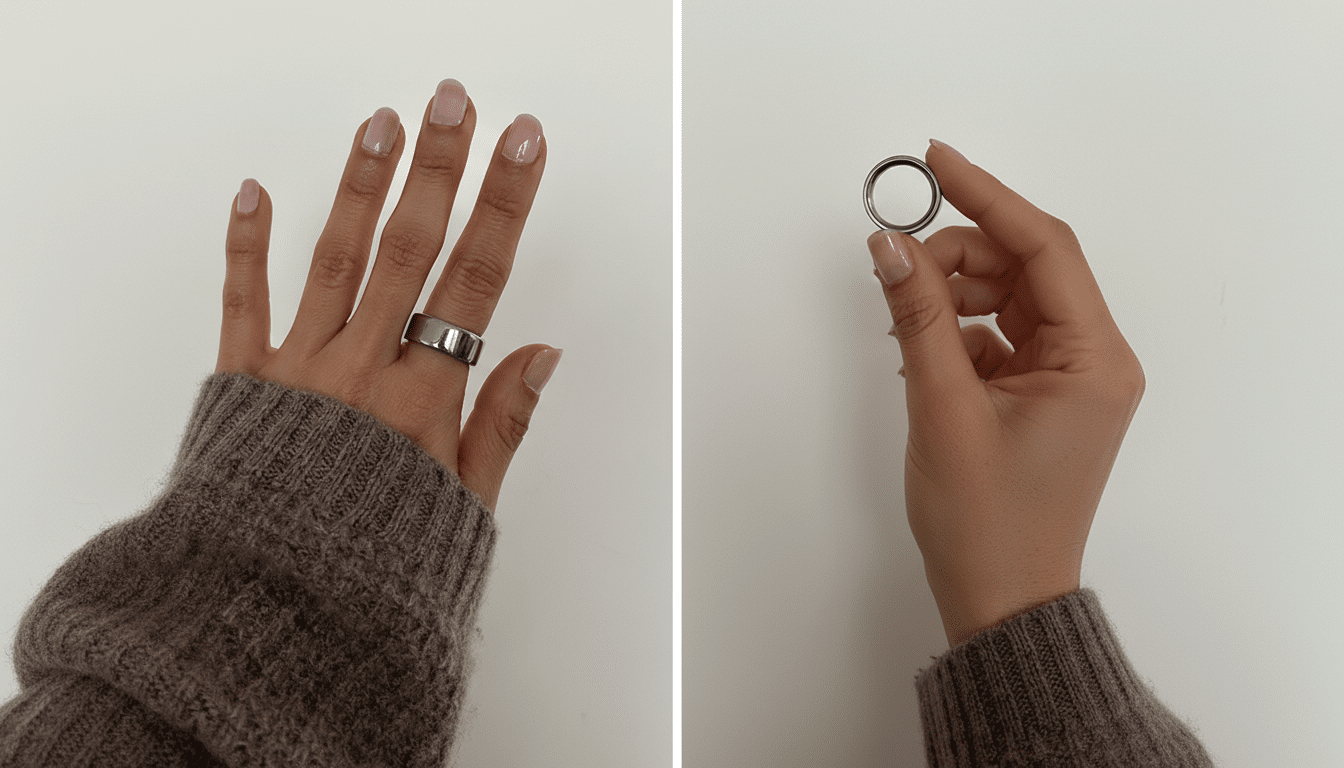
Responding When Your Ring Says You’re Off
What should you do when a wearable throws a caution flag? Start with basics: dial back training, hydrate, prioritize sleep, and monitor symptoms. Consider an at-home test for common infections if appropriate, and touch base with a clinician if you have risk factors or worsening signs. Vaccinations and timely treatment drive outcomes; the ring’s role is to nudge you to act sooner.
Crucially, don’t catastrophize a single alert—and don’t ignore a consistent pattern. Two or three mornings of elevated temperature deviation and suppressed HRV deserve attention. If your device supports historical trends, look beyond the daily score to see whether today is a blip or a true break from your baseline.
What I Learned From Watching The Numbers
I rarely obsess over sleep or readiness on normal weeks. But during this illness, the metrics became a map. Resting heart rate climbed as symptoms peaked, HRV fell, and my temperature signal stayed elevated. As hydration, rest, and medication kicked in, those lines slowly normalized—HRV rose first, then resting heart rate drifted down, and temperature stabilized last. The trend line told me I was turning the corner before I felt fully back.
There are plenty of high-profile anecdotes that echo this arc. Oura data has pushed users to seek care that led to serious diagnoses, flagged early pregnancy, and helped athletes dodge overtraining. Professional leagues even piloted rings to watch for early infection risk. The throughline is not that wearables cure illness; it’s that they make the invisible visible early enough to change decisions.
The Bottom Line: Pay Attention to Wearable Warnings
My mistake wasn’t wearing the ring—it was dismissing what it told me. Health trackers are not oracles, but the best ones are sensitive barometers of strain. When they warn you before you feel sick, that’s your cue to slow down, not proof they’re wrong. Pay attention to patterns, act on them thoughtfully, and let the metrics guide your next best step.
