


OpenAI and Reliance have struck a deal to bring conversational AI search to JioHotstar, weaving natural language discovery into one of India’s largest streaming services. Powered by OpenAI’s API, the integration will let viewers find movies, series, and live sports using text or voice in multiple Indian languages, with recommendations tuned to personal tastes and watch history.
The companies framed the rollout as a two-way discovery layer: entertainment searches inside ChatGPT will surface contextual JioHotstar suggestions and deep links into the catalog, while the in-app experience on JioHotstar will offer AI-driven navigation and guidance. In practical terms, it turns both platforms into mutual entry points for entertainment discovery rather than siloed destinations.
- What The Integration Delivers For JioHotstar Viewers
- Why India Is Central To OpenAI’s Long-Term Strategy
- Impact On Streaming Discovery And Live Sports Viewing
- Business And Data Considerations For AI Search Rollout
- Strategic Signals From Both Sides Of The AI Partnership
- What To Watch Next As AI Search Rolls Out On JioHotstar

What The Integration Delivers For JioHotstar Viewers
Viewers will be able to ask for what they want in plain language—“show me family comedies under two hours,” “catch me up on the first innings,” or “find the latest Telugu thrillers”—and receive results that combine relevance with personalization. The feature spans on-demand titles and live programming, with the aim of shortening the path from curiosity to play.
Multilingual and voice-first support is central, reflecting how Indian audiences actually browse on mobile and connected TVs. By handling accents, code-switching, and regional language prompts, the system lowers friction for new users and helps long-time subscribers dive deeper into niche genres or real-time sports highlights without scrolling through complex menus.
Why India Is Central To OpenAI’s Long-Term Strategy
The move fits OpenAI’s broader “OpenAI for India” initiative. India now accounts for over 100 million weekly ChatGPT users, underscoring the country’s weight in global AI adoption. OpenAI is expanding its physical footprint with planned offices in Mumbai and Bengaluru, adding to its New Delhi presence, and using high-visibility industry forums—such as the India AI Impact Summit in New Delhi—to signal long-term commitment.
Beyond media, OpenAI is collaborating with Indian enterprises on infrastructure and deployment. Partnerships with the Tata Group target AI-ready data centers and enterprise workloads, while alliances with firms like Pine Labs, Eternal, and MakeMyTrip focus on practical, high-frequency use cases spanning payments, productivity, and travel—an ecosystem that benefits from shared talent, tooling, and trust.
Impact On Streaming Discovery And Live Sports Viewing
Streaming services are steadily replacing rigid search boxes with conversational interfaces. Netflix began testing a ChatGPT-powered discovery experience in 2025 to help viewers find content via natural language, and Google introduced Gemini-driven recommendations for Google TV. JioHotstar’s adoption of OpenAI continues this shift, positioning AI as the layer that unifies catalogs, metadata, and moments across fragmented OTT lineups.
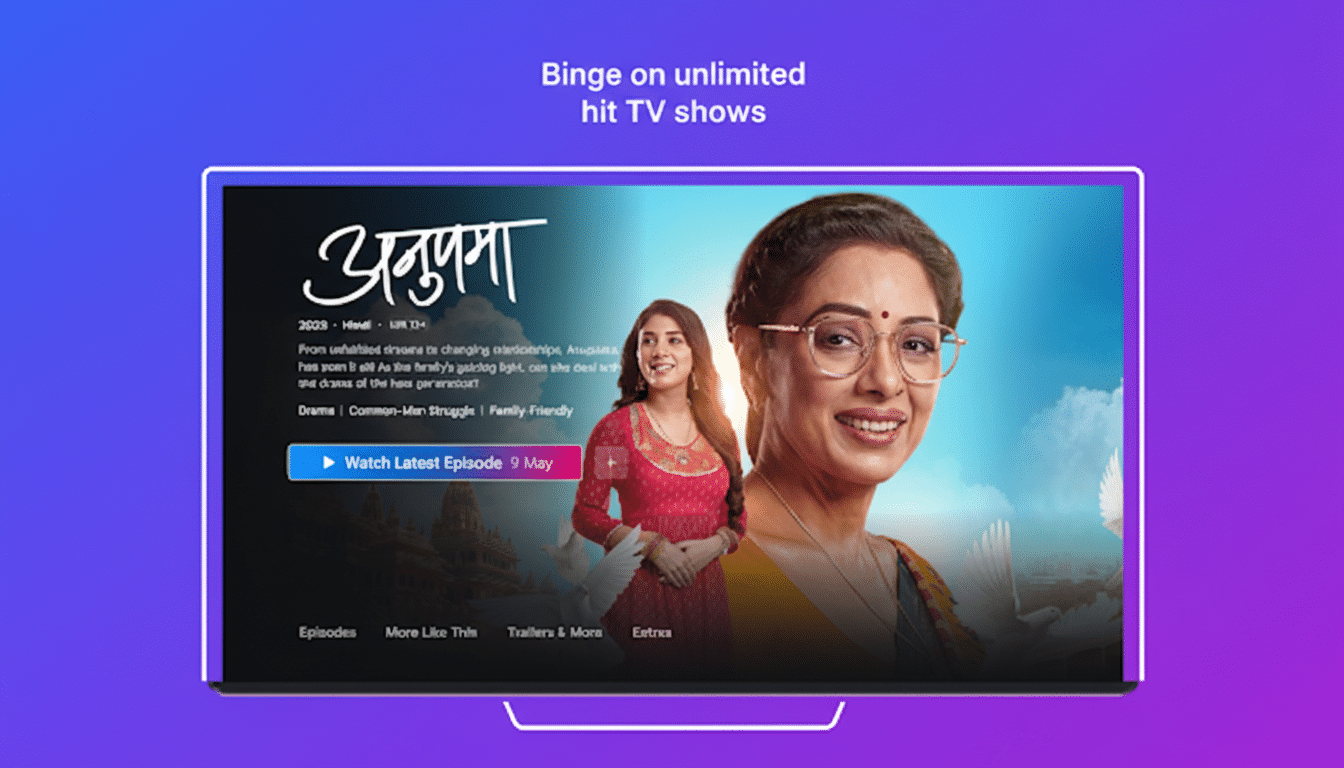
For live sports—a cornerstone of India’s streaming growth—the potential is immediate. Asking for a bowler’s spell recap, a striker’s key chances, or the exact over when momentum flipped becomes easier than scrubbing through timelines. Expect tighter loops between highlights, stats, and live feeds, which historically correlate with higher engagement and lower drop-off during marquee events.
Business And Data Considerations For AI Search Rollout
Conversational search is not just a convenience feature; it is a retention lever. By improving search-to-play conversion and surfacing long-tail titles, platforms can reduce churn and lift total viewing time. On the ad side, better intent signals—e.g., user asks, “find cricket documentaries”—can refine contextual targeting without overreliance on third-party identifiers.
The companies did not detail data flows, but any personalization at this scale will be judged against India’s Digital Personal Data Protection Act, which emphasizes consent, purpose limitation, and transparency. Clear disclosures about what viewing data is used, where it is processed, and how long it is retained will be as important as model quality in sustaining user trust.
Strategic Signals From Both Sides Of The AI Partnership
For Reliance, AI-native discovery complements its distribution muscle and premium sports rights, helping more users find the content they value faster. Leadership at the media arm has argued that embedding intelligence into discovery can reshape how audiences engage with programming, and this integration is a direct test of that thesis at national scale.
For OpenAI, entertainment is a high-frequency proving ground for multimodal, multilingual assistants. Company executives have framed the goal as making AI feel personal and contextual in everyday experiences—exactly the kind of repetitive, taste-driven interactions that streaming services generate in the millions each day.
What To Watch Next As AI Search Rolls Out On JioHotstar
The rollout will cover both live and on-demand content, with capabilities likely to evolve from search and recommendations into deeper interactivity—think instant explainers, recap reels, or companion experiences that bridge the gap between a chat prompt and the perfect play. If execution matches ambition, JioHotstar could set the bar for how AI augments entertainment discovery at population scale.
