


Personal audio is quietly undergoing a design reset. The next wave of headphones and speakers will look, wear, and even connect differently as three trends converge: open-ear designs move mainstream, living-room systems go modular, and spatial audio becomes a baseline expectation instead of a luxury perk.
Walk any major tech show floor or browse recent product launches and the pattern is unmistakable. As traditional specs like basic Bluetooth and standard ANC plateau, brands are competing on new form factors, smarter acoustics, and ecosystems that grow with you rather than force a one-and-done purchase.
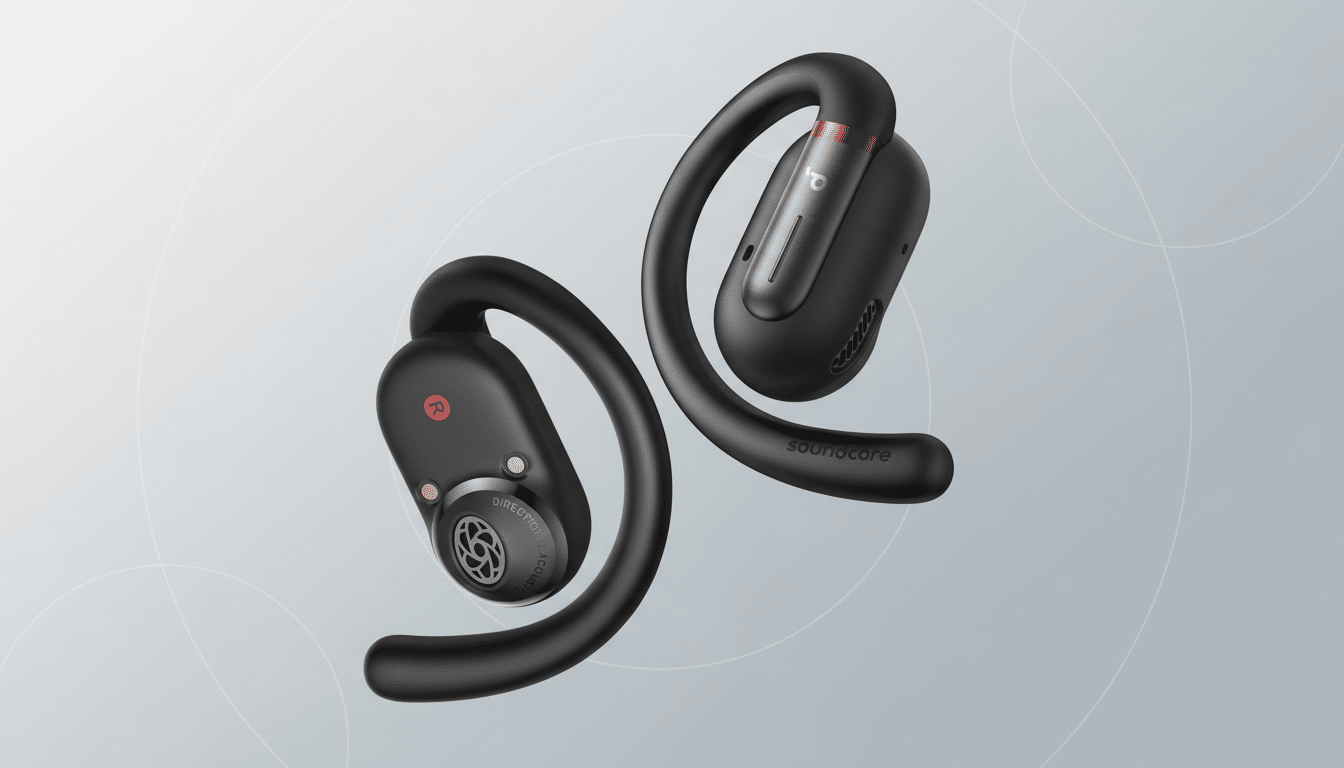
Open-Ear Earbuds Move Into the Mainstream Market
Open-ear earbuds—once a niche for runners and cyclists—are now front and center. The appeal is obvious: all-day comfort, natural situational awareness, and fewer ear fatigue complaints. Companies best known for sealed buds are joining specialists, adopting clip-on and ear-hugging designs that sit just outside the canal.
What changes next isn’t just the fit, but the fidelity. Expect beamforming mic arrays and AI-powered noise filtering to clean up calls without blocking the world around you. Leak-reduction tricks, from inverse-phase processing to targeted driver placement, aim to keep your playlists private while boosting low-end punch—historically the weak spot for open designs.
Look for self-fit hearing tests and listening profiles pulled from short tone checks, the same philosophy popularized by over-the-counter hearing tech. Analysts at Circana have flagged steady growth in sport and lifestyle categories for open designs, and you can see the response: brands touting sweatproof builds, ear-safe SPL limits, and wear-all-day battery life rather than just headline ANC numbers.
Modular Home Theaters Go Click-Together with Ease
In the living room, the home theater-in-a-box is giving way to mix-and-match ecosystems. Pioneered by multiroom audio leaders and now echoed by TV and appliance giants, the model is simple: start with a soundbar or smart speaker and add pieces—wireless rears, a sub, even up-firing satellites—when space and budget allow.
This shift is practical. Few homes have perfect rectangles or ideal TV placements, so manufacturers are leaning on room calibration and flexible channel mapping. Dolby Atmos FlexConnect and similar tech place speakers where they fit your space, then remap height and surround cues accordingly.
Expect more products that do double duty. A single smart speaker that sounds full on its own can also pair for stereo or act as surrounds later. TV brands are tightening integration so the screen becomes the brains of the system, unlocking features like latency-matched wireless rears and auto-calibrated voice clarity without a receiver.
Spatial Audio Becomes a Baseline Feature for Listening
Spatial audio has leapt from audiophile curiosity to an everyday feature. Dolby’s logo is turning up on everything from compact soundbars to gaming headsets and car systems, while Bose, JBL, and others continue to refine proprietary 3D processing that works even with stereo sources.
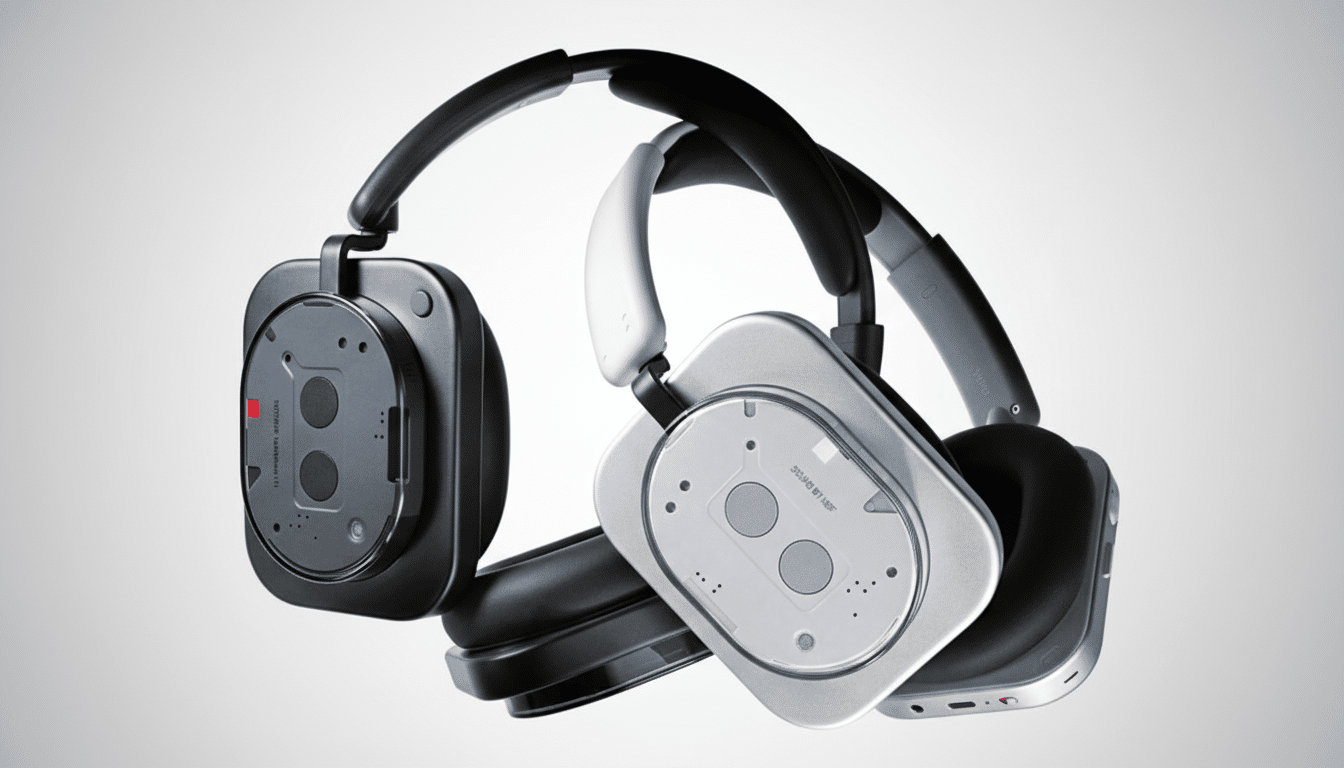
The content pipeline has caught up. Major music services stream immersive catalogs, and top streaming video platforms master original series and live sports in object-based formats. Gaming, where positional cues are performance-critical, is pushing further with head tracking on headsets and console-friendly virtualizers in soundbars.
The practical upshot: you no longer need ceiling speakers or a high-end AVR to get convincing height and surround effects. Virtualization isn’t perfect, but the latest algorithms better preserve dialogue intelligibility and bass weight while projecting sound well beyond the physical box.
Bluetooth LE Audio And Auracast Gain Traction
Another behind-the-scenes shift is rewriting wireless assumptions. Bluetooth LE Audio with the LC3 codec delivers more efficient, lower-latency connections, which translates to smaller earbuds with longer battery life and less audio lag for video and games. The Bluetooth SIG has positioned Auracast—broadcast audio over Bluetooth—as a foundation for shared listening in public spaces.
Expect earbuds with a “tune-in” control for gyms, airports, classrooms, and sports bars that broadcast audio to anyone nearby. Speaker makers are exploring Auracast, too, to let friends join a movie night on headphones without waking the household or to sync multiple speakers around the home without complex setup.
What To Look For When You Upgrade Headphones Or Speakers
If you’re eyeing new headphones, decide where you land on the open versus sealed spectrum. Open-ear models are now viable daily drivers thanks to smarter mics and better bass management, while sealed buds still win for flights and focus with top-tier ANC.
For speakers, think in phases. Choose a platform that lets you start small and expand. Verify support for room calibration, wireless rears, and true up-firing channels if spatial audio matters to you. Proprietary ecosystems can sound fantastic but check cross-compatibility with your TV and streaming sources.
Future-proofing pays. Look for LE Audio readiness, Auracast support, and ongoing firmware updates. Comfort and repairability matter, too—replaceable ear pads, easily sourced tips, and serviceable batteries keep gear out of landfills and sounding new longer.
The bottom line: the next generation of headphones and speakers won’t just sound better—they’ll fit differently, scale more intelligently, and connect in ways that reflect how we actually live. The smartest upgrade is choosing gear designed to evolve with you.
