


The online education landscape has transformed dramatically. What once felt like a gamble paying for courses you might never finish has evolved into a sophisticated marketplace where the best platforms don’t just teach well, they market brilliantly.
For ecommerce marketers watching this space, there’s a dual opportunity here. First, upskilling through courses that genuinely deliver ROI. Second, studying the marketing machinery behind these platforms to sharpen your own strategies.
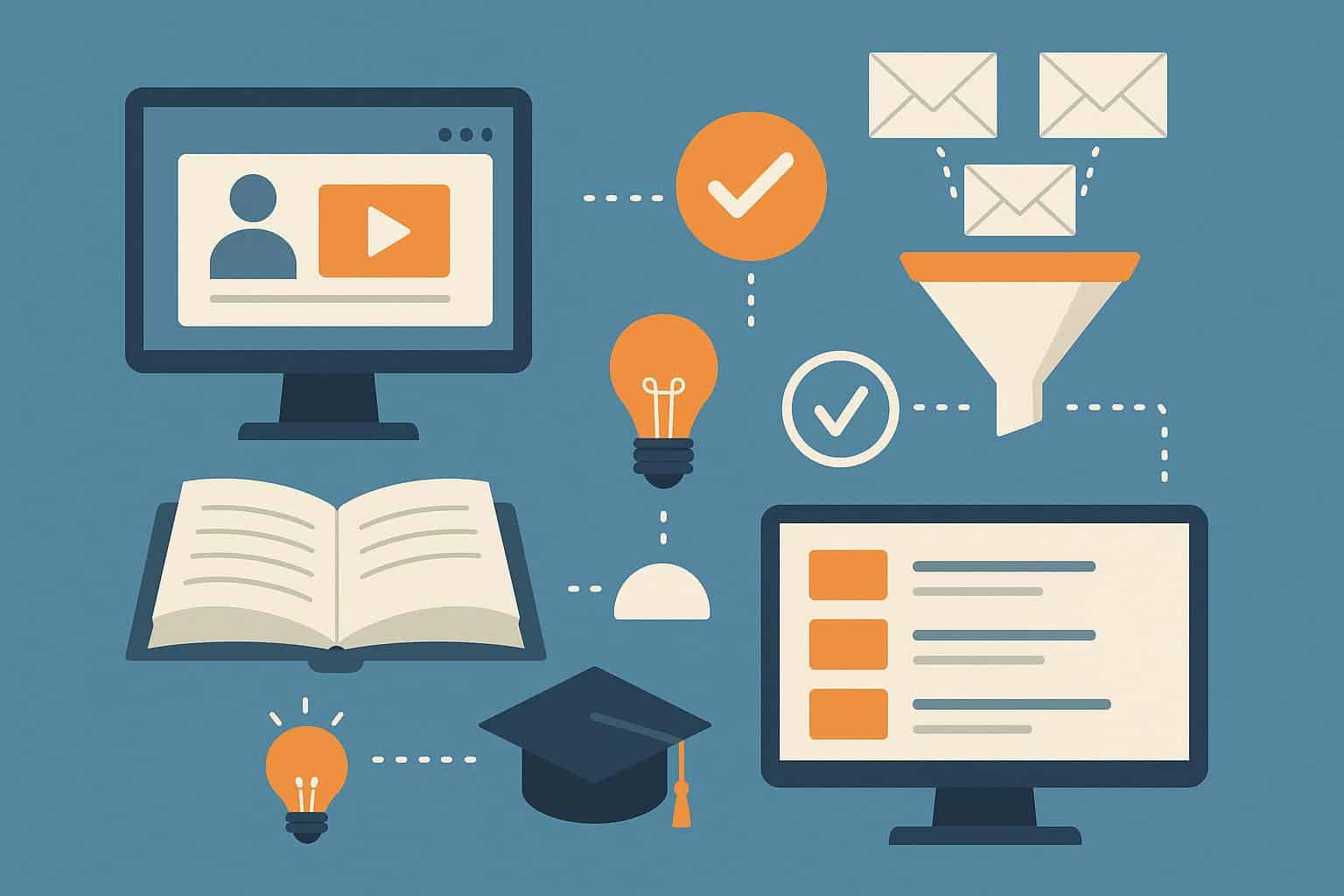
Let’s explore both.
The Courses Delivering Real Value in 2026
Not all online courses deserve your investment. The ones worth paying for share common traits: they solve specific problems, offer community access, and provide certifiable outcomes.
Ecommerce-Specific Marketing Programs
Platforms like CXL and Reforge have carved out territory by focusing exclusively on growth marketing and customer acquisition. Their courses on lifecycle marketing, retention strategies, and conversion optimization speak directly to the challenges ecommerce marketers face daily.
What separates these from free YouTube tutorials? Depth, accountability, and peer networks. You’re not just consuming content, you’re joining cohorts of professionals wrestling with similar challenges.
Technical Skill Builders
Data literacy courses have surged in relevance. Understanding how to interpret email marketing metrics and translate them into actionable strategies has become non-negotiable for marketing professionals.
Platforms like DataCamp and Coursera’s Google Analytics certifications offer structured paths from beginner to proficient. The investment pays dividends when you can confidently analyze campaign performance and optimize accordingly.
Creative and Brand Development
For those building direct-to-consumer brands, courses on brand storytelling, product photography, and content strategy have proven their worth. Skillshare and Domestika excel here, offering practical skills you can implement immediately.
The Marketing Engine Behind Successful Course Platforms
Here’s where things get interesting for ecommerce marketers. The most successful online learning platforms have mastered something every online retailer should study: the art of the email funnel.
The Welcome Sequence Architecture
Top course platforms don’t just send a confirmation email. They deploy sophisticated welcome sequences that mirror the best practices in ecommerce.
Consider what happens when you sign up for a free trial or download a lead magnet from platforms like Masterclass or LinkedIn Learning. Within minutes, you receive a personalized welcome. Over the following days, you’re guided through a carefully orchestrated journey value-first content, social proof, and strategic offers timed precisely.
This isn’t accidental. It’s automation at its finest., with automated workflows generating 30x higher returns compared to one-off campaigns.
Behavioral Triggers That Convert
The parallels to ecommerce are striking. Just as abandoned cart emails recover lost sales earning $3.65 per recipient on average course platforms deploy “abandoned lesson” sequences. Started a module but didn’t finish? Expect a nudge within 24 hours.
These platforms segment aggressively based on engagement. Active learners receive different messaging than those who’ve gone through a strategy that drives 30% more opens and 50% more click-throughs. The personalization extends to course recommendations based on completed content remarkably similar to product recommendations in online retail.
The Re-engagement Playbook
Perhaps most instructive is how these platforms handle lapsed subscribers. Rather than aggressive discounting (which trains customers to wait for sales), the best platforms lead with value.
They share success stories from graduates. They highlight new course additions relevant to your stated interests. They create urgency through cohort start dates rather than artificial countdown timers.
What Ecommerce Marketers Can Learn
The sophistication of course platform marketing offers a masterclass in customer lifecycle management.
Segment by Behavior, Not Just Demographics
Course platforms excel at understanding where each subscriber sits in their learning journey. Ecommerce brands should apply identical thinking: segmenting by purchase history, browsing behavior, and engagement patterns rather than relying solely on demographic data.
Lead with Transformation, Not Features
Notice how course platforms sell outcomes, not curriculum? They promise career advancement, skill mastery, or creative fulfillment. Ecommerce brands often fall into the trap of listing product features when they should be selling the transformation the product enables.
Build Anticipation Through Sequences
The best course launches create weeks of anticipation through strategic email sequences. Product launches, seasonal campaigns, and new collection drops deserve the same treatment. A single announcement email leaves opportunity on the table.
Use Social Proof Strategically
Course platforms weave testimonials and success metrics throughout their communications. Student outcomes, completion rates, and career impact stories appear consistently. Ecommerce brands should deploy customer reviews, user-generated content, and satisfaction metrics with similar intentionality.
Making Your Investment Count
Whether you’re evaluating courses for personal development or studying these platforms to improve your own marketing, approach both with strategy.
For course selection, prioritize programs offering community access and accountability structures. The content itself matters less than the environment supporting your completion.
For marketing insights, sign up for free trials across multiple platforms. Document their email sequences. Note the timing, the messaging hierarchy, and the calls to action. You’ll gather more actionable intelligence than most marketing courses provide.
The Bottom Line
Online learning in 2026 rewards the discerning buyer. The courses worth paying for combine expert instruction with community support and clear outcomes. The platforms delivering these experiences have built marketing machines that ecommerce brands should study and emulate.
The intersection of education and ecommerce marketing reveals a fundamental truth: the businesses winning attention and loyalty are those treating every customer interaction as part of a larger journey. They understand that a first purchase or a first lesson is just the beginning.
Your marketing automation should reflect this same philosophy: guiding customers through personalized journeys, responding to their behavior in real-time, and delivering value at every touchpoint.
That’s not just good marketing. That’s how sustainable ecommerce businesses are built.
