


I pitted two of the most capable Android camera phones against each other in a real-world test and came away surprised. On paper, Samsung’s Galaxy S25 Ultra should run away with it. In practice, the OnePlus 15 repeatedly punched above its weight, especially when reach and detail at long focal lengths mattered most.
How I Tested and the Camera Hardware in Detail
Both phones were tested across daylight scenes, neon-lit nights, ultrawide landscapes, macro close-ups, and extreme zoom. I shot side by side, handheld, and evaluated results on both phone screens and a calibrated 32-inch monitor to check micro-detail and processing artifacts.
- How I Tested and the Camera Hardware in Detail
- Daylight Detail and Color Accuracy Compared
- Low Light and Night Mode Behavior in Practice
- Ultrawide Consistency and Edge-to-Edge Sharpness
- Zoom and Telephoto Results at 8x, 10x, and Beyond
- Macro and Close-Ups: Subject Isolation and Tone
- Video and Stabilization in 4K and Low-Light Scenes
- Color Science and Processing for Everyday Photos
- The Verdict: The Surprise Winner in Real-World Tests
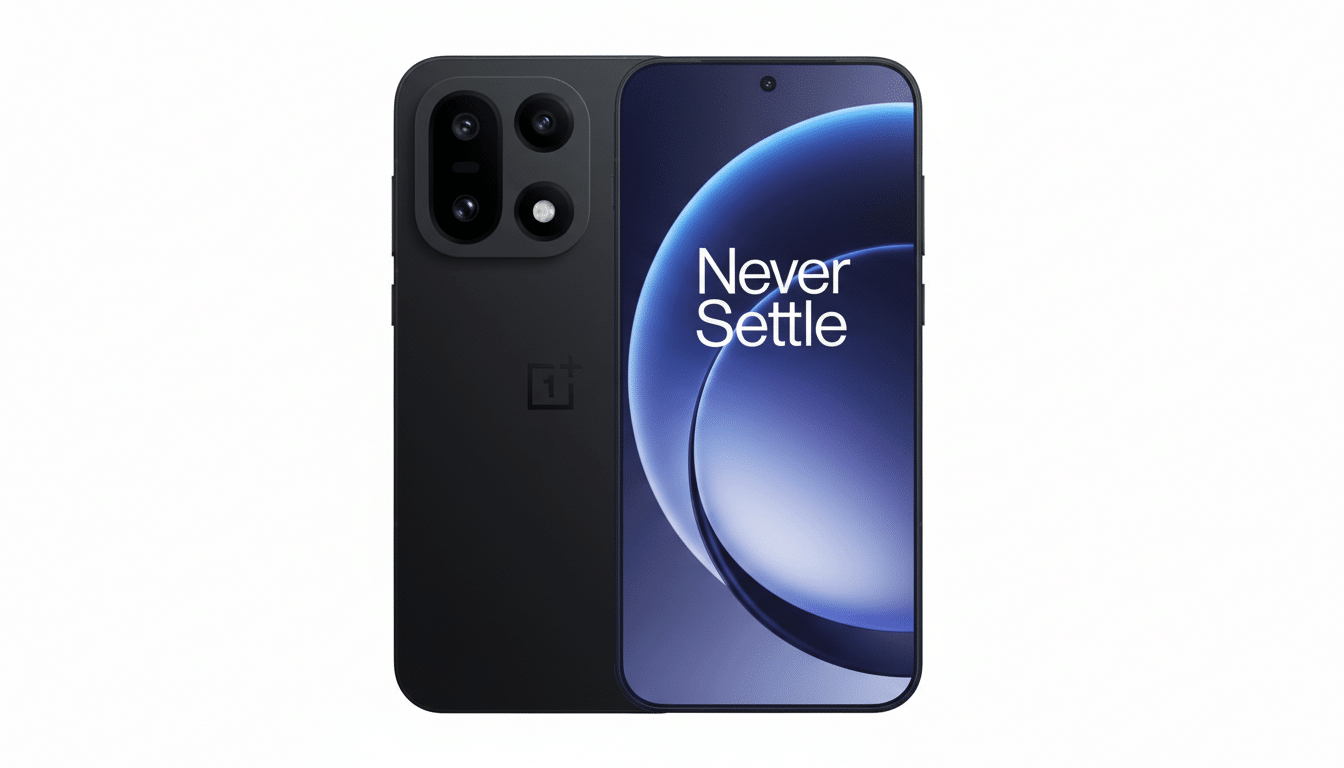
The OnePlus 15 uses a trio of 50MP rear cameras: a main sensor with f/1.8 and a 1/1.56-inch sensor, a 116-degree ultrawide, and a 3.5x periscope telephoto. Up front is a 32MP selfie camera. The Galaxy S25 Ultra counters with a 200MP main camera at f/1.7 on a 1/1.3-inch sensor, a 50MP ultrawide with a 120-degree field of view, plus two telephotos—10MP at 3x and 50MP at 5x—and a 12MP selfie.
Samsung’s 200MP sensor employs pixel binning to produce brighter 12.5MP or 50MP shots, a technique the company has outlined in its imaging documentation. OnePlus dropped the Hasselblad branding this cycle, but the color science clearly didn’t fall apart—more on that below.
Daylight Detail and Color Accuracy Compared
In bright light, Samsung’s main camera often delivered the highest micro-detail, exposing more texture in rough surfaces and finer edges in distant subjects. You see this when zooming in on masonry or wood grain—there’s a touch more real-world grit in the S25 Ultra files.
OnePlus responded with cleaner, more controlled processing. Highlights were kept in check and foliage didn’t devolve into watercolor mush. On social-sized output, many OnePlus shots looked “finished” without extra tweaking, while Samsung’s sometimes skewed toward a crisper, more contrasty aesthetic.
Low Light and Night Mode Behavior in Practice
At night, both phones leaned on multi-frame merging and aggressive noise reduction. The Galaxy occasionally chased sharpness and introduced a trace of motion blur in smoky or backlit scenes. The OnePlus 15 tended to over-sharpen edges but kept signage legible and shadows cleaner, which made several dim street and theme-park shots more usable at a glance.
On a phone screen, the OnePlus output often looked steadier and easier to read. On a big monitor, Samsung’s main camera still retained slightly richer luminance detail in the brightest regions.
Ultrawide Consistency and Edge-to-Edge Sharpness
Both ultrawides are strong. Samsung’s lens gives a marginally wider sweep, which can be handy in tight spaces. OnePlus, however, consistently kept edges tidier with less smearing of fine textures near the frame periphery. If you value uniform sharpness across the image, OnePlus has the edge; if you want the broadest field of view, Samsung wins.
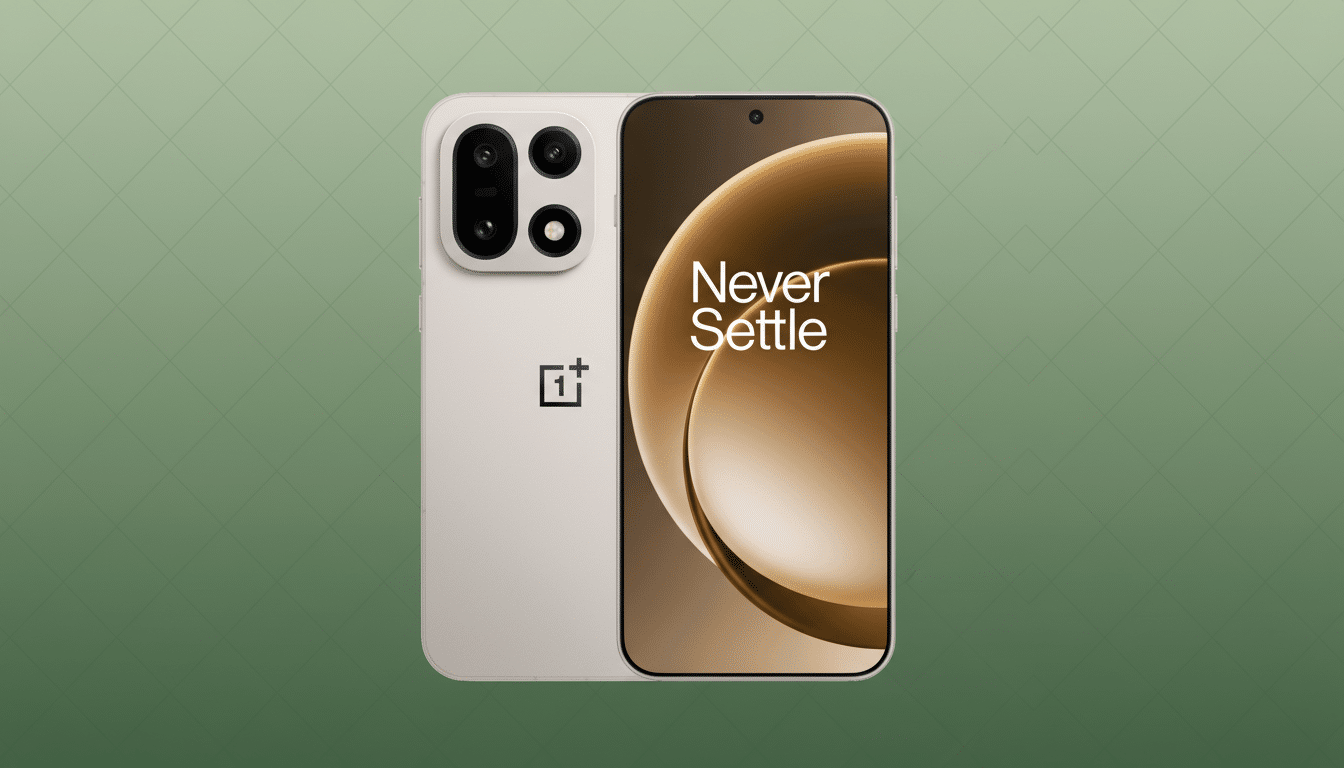
Zoom and Telephoto Results at 8x, 10x, and Beyond
This was the shocker. Despite Samsung’s dual-telephoto setup, the OnePlus 15 delivered more dependable results from 8x to 15x, with better micro-contrast and fewer overprocessed textures. At 10x, the OnePlus photo often looked truer to life, while the S25 Ultra sometimes veered into a flatter, heavier noise-reduced look.
At the extremes, the gap widened. Samsung caps at 100x; OnePlus stretches to 120x. Shooting a distant flag atop a 330-foot tower about 528 feet away and a character statue roughly 250 feet out, the OnePlus 15 produced legible typography and cleaner outlines with less color blotching. Samsung rendered the scene, but edges were softer and lettering less distinct. Given Samsung’s long history of AI-assisted zoom, this reversal was noteworthy.
Macro and Close-Ups: Subject Isolation and Tone
It’s nearly a draw. The S25 Ultra separated subjects from background with a more natural falloff, which helped tiny branches and textures pop. The OnePlus 15 pulled slightly warmer tones and brighter midtones from the same scenes. If I had to pick, Samsung’s subject isolation wins by a hair.
Video and Stabilization in 4K and Low-Light Scenes
Both phones support high-resolution capture and strong electronic stabilization, with the best results in 4K. Panning at night, the OnePlus 15 kept rolling shutter under better control in my tests, while Samsung held onto highlight detail a touch longer in mixed lighting. Wind noise reduction was comparable, though OnePlus’s default audio profile sounded slightly cleaner in busy environments.
Color Science and Processing for Everyday Photos
Samsung favors punchy contrast and a brighter exposure curve, which many users love for instant social sharing. OnePlus opts for a more restrained palette with natural skin tones and gentler tone mapping. The absence of the Hasselblad label didn’t derail OnePlus’s consistency; if anything, it feels streamlined, with fewer heavy-handed HDR artifacts in everyday shots.
The Verdict: The Surprise Winner in Real-World Tests
If your photography is mostly anchored to the primary camera in brilliant daylight, the Galaxy S25 Ultra nudges ahead thanks to its higher native resolution and excellent detail capture. But across a broader mix—especially mid to long telephoto—the OnePlus 15 was more reliable and more convincing, producing clearer 10x shots and shockingly usable triple-digit zoom images.
That balance tips the overall win to the OnePlus 15. It may not boast a 200MP headline spec, but in real scenes, from handheld 10x crops to 120x moonshots, it delivered more keepers. For anyone who values reach and consistency without sacrificing color fidelity, this was the upset few saw coming.
