


OnePlus has given its first official look at the OnePlus 15, revealing the flagship on stage during Qualcomm’s China-centric summit. The brief teaser confirms that the camera island is going square and cements Qualcomm’s top-tier Snapdragon 8 Elite Gen 5 as the driving chip for the Chinese model.
A first look from Qualcomm’s China stage event
During a presentation, a company representative raised up a black OnePlus 15 model, allowing attendees to clearly see the overhaul of the back and get a split-second peek at what users can expect from the front. Up front, slim bezels surround a centered hole-punch selfie camera, in line with recent high-end Android phones.
The moment is significant: this isn’t a blurry leak or CAD render, but the first official on-stage sighting — and one where it goes on to tell everyone that the device is now close enough to launch for controlled teases. The company also hinted at a second phone powered by Snapdragon 8 Gen 5, suggesting a two-pronged chip strategy for its next wave of releases in China.
Square Camera Bump Indicates A Design Pivot
The square camera bump of the OnePlus 15 is a departure from the circular module on last year’s device, but is more reminiscent of the look found in the brand’s T-series hardware. This geometry shift is not just cosmetic, mind you: It usually indicates internal packaging changes for sensors, lenses, and thermal layout — including as larger sensors and periscope assemblies become more regular features of mainstream flagships.
The model on stage had a matte black finish, the big crowd-pleaser that has always played well for OnePlus. Although the company has not revealed details of its camera, the rumored partnership with Hasselblad for imaging that goes back to the OnePlus 9 sees the return of familiar color science and pro-oriented modes for the 15 series.
Powering Up With Snapdragon 8 Elite Gen 5
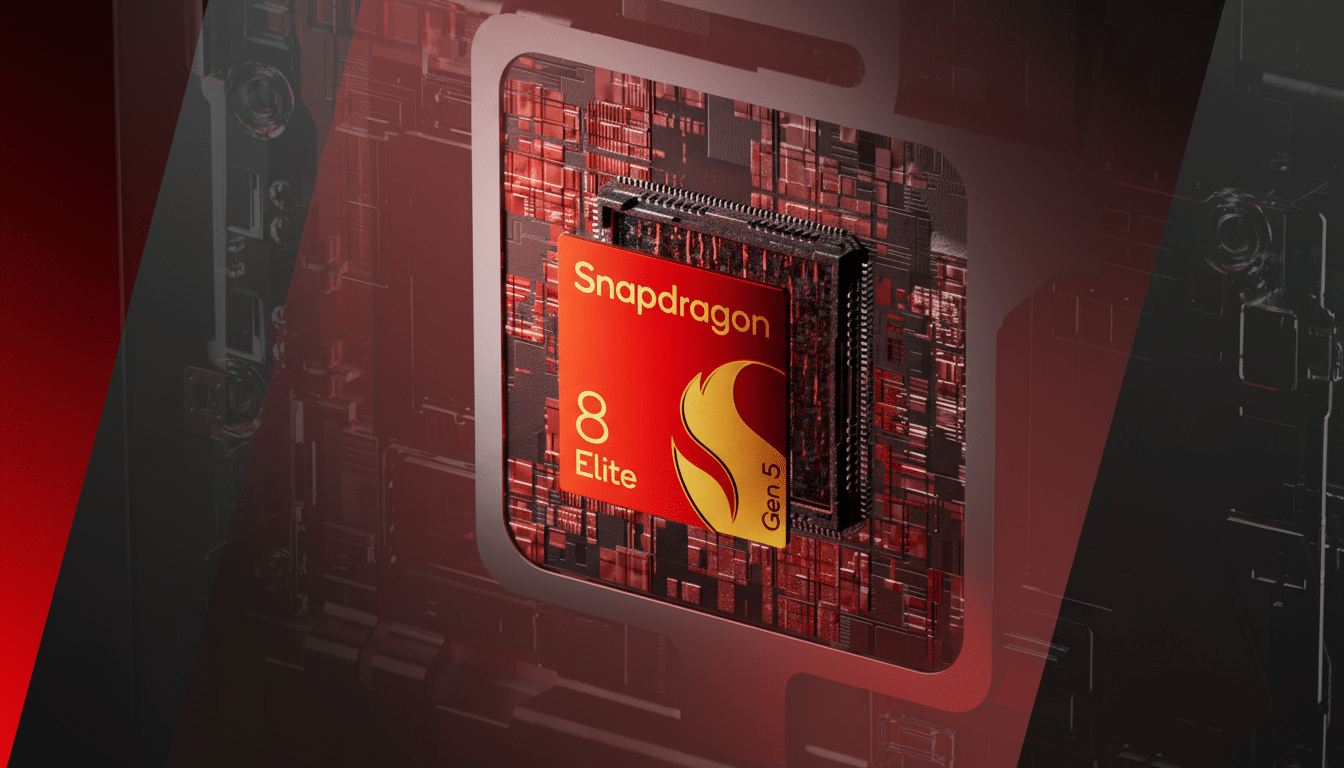
As for performance, the message was clear: the OnePlus 15’s Chinese variant will be powered by Qualcomm’s Snapdragon 8 Elite Gen 5. Anticipate the typical generational improvements in CPU and GPU performance as well as a much stronger focus on on-device AI workloads. It’s no secret that Qualcomm has been pushing into AI acceleration with its latest mobile platforms, allowing for things like real-time photo refinement, voice processing in a fraction of the time, and improved camera scene detection without having to rely on cloud-based infrastructure.
The brand also teased an alternate model running on a non-Elite Snapdragon 8 Gen 5, suggesting that there could be some form of tiered performance offered. That approach is growing increasingly popular among Android manufacturers to provide a lower entry point without venturing too far afield from flagship-class features, as witnessed by rivals like Samsung and Xiaomi in recent cycles.

Official monitor teaser hints at 165Hz display ambition
The OnePlus 15’s display refresh rate will be 165Hz, the company said in a separate post on Chinese social media. That puts it above the mainstream 120Hz standard found in most top-tier phones. High refresh rates aren’t just for gaming bragging rights — faster sampling and smoother animations can make everyday interactions feel more immediate, which users are prone to notice when scrolling or using gesture navigation.
Supply-chain chatter has suggested a 1.5K-class AMOLED over full QHD+ for the screen, a compromise some makers make between efficiency and cost-competitiveness, balancing battery life, thermals, and dollars while pushing the limits of advanced LTPO tuning.
Up until now, ultra-fast refresh displays have been the purview of gaming-minded phones from folks like Asus and Nubia; slapping 165Hz onto a mainstream flagship suggests that the standard for display smoothness is starting to inch up.
What It Could Mean For Worldwide Buyers
As the teaser emanated from a China-stage event, there are no price details yet, and China-specific software is a given: it will run ColorOS 16 on top of Android 16. To date, the worldwide version comes with OxygenOS, which is basically identical except for a few software tweaks and band support to accommodate hardware design. Final details are as yet unannounced, but there’s little in this reveal to indicate a global aesthetic shift of such a radical nature.
For OnePlus, the early teasers serve a few strategic aims: it stakes an early claim on Qualcomm’s latest silicon, demonstrates a new aesthetic identity with the square camera bump, and builds some buzz in advance of broader release communications. If the company can match the 165Hz panel with competitive camera hardware and its usual rapid charging, the OnePlus 15 could put a squeeze on rivals that have erred on the side of caution when it comes to display tech and performance tuning this cycle.
We’ll also be on the lookout for official specifics when it comes to camera sensors, charging specs, regional software features, and availability. So far though, the headline is clear: the OnePlus 15 exists, it appears to look different, and it’s going after the performance crown armed with Qualcomm’s newest chip at its core.
