


Weeks of waiting and a relatively minor round of regulatory stops related to a recent federal shutdown later, it’s officially available for sale in the US. The headliner is that battery, though: 7,300mAh of silicon‑carbon in a belter of a flagship with the tactician’s brain to micromanage that awesome power from $900 for 12GB/256GB or $1,000 for 16GB/512GB.
A Big Battery Finally Comes to the US Market
The battery on the OnePlus 15 is the kind of spec that makes you change your mind what phone to buy. That 7,300mAh capacity makes it around 45% bigger than the typical 5,000mAh cells that feature in the biggest mainstream flagships today, and even quite a bit larger than the previous OnePlus generation’s relatively capacious 6,000mAh pack. Si‑C chemistry allows higher energy density and improved cold temperature performance versus traditional Li‑ion, which also helps to stretch real‑world range without inflating the footprint.
Heavy users — and we’re thinking all‑day navigation, camera use, social video, and gaming here — well, the size alone promises real two‑day stamina at last.
Research firms consistently list battery life near the top of US consumers’ upgrade reasons, and this spec addresses that pain point directly without hamstringing performance.
Hardware Highlights and Performance Overview
Driven by the numbers.
Ticking away under the hood, it’s powered by Qualcomm’s Snapdragon 8 Elite Gen 5 — an industry‑leading platform focused on delivering sustained performance and offloading AI work to the device itself. 12GB or 16GB of RAM should see multitasking handled with ease and apps load quickly, and there’s generous storage in the form of 256GB or 512GB trims for the things you need to keep close. The tuning here is to keep a fine balance of power, leveraging the larger battery while preventing thermal throttling during prolonged gaming or 4K video capture.
That 6.78‑inch LTPO AMOLED display pushes anything up to 165Hz with adaptive refresh scaling for efficiency. Before we get to what LTPO is used for, let me explain why you need it: even if a high‑refresh‑rate display provides great fluidity when using the device, it’s still power‑hungry. Based on Android 16, OxygenOS 16 brings small UI enhancements and access to more recent privacy controls and the on‑device AI tools that use the chipset’s enhanced NPU.
Charging Speed and Long-Term Battery Longevity
The charging story is as aggressive as the battery: 120W wired and 50W wireless. With the brick and cable in the box, quick top‑ups should be a doddle — handy when you’ve forgotten to charge overnight. OnePlus is also still focusing on battery health; the Battery Health Engine and adaptive algorithms should help slow down age‑related wear during overnight or high‑temperature charging. That translates to slower apparent capacity drops over the life of the phone.
As always, peak speeds rely on using the official charger and cable, ambient temperature, and what you’re doing while charging. But with the cell’s mammoth size, we figure range anxiety shouldn’t be much of an issue on this thing.
Cameras and Early Impressions from First Reviews
On the back is a primary 50MP sensor, an ultrawide 50MP shooter, and a periscope telephoto for up to 100x digital zoom, plus a front‑facing 32MP camera.
On paper that’s a balanced arrangement for travel and low‑light shooting, the periscope providing reach without resorting to digital zoom. Early international reviews have complimented detail and color in good light but raised some concerns about tone mapping and sharpening here and there — problems that cameras often get “fixed” with firmware after their release. Because OnePlus has a history of incremental camera tweaks, there’s likely to be some software updates involved in the tale.
Pricing, Colors, and Availability in the United States
US pricing is lower than many competitors: $900 buys you 12GB/256GB, and the 16GB/512GB variant costs $1,000. That’s significantly under the $1,199‑and‑up you see from most every ultra‑premium competitor these days — putting aside just how much larger this phone’s battery is and how much faster its charging is besides.
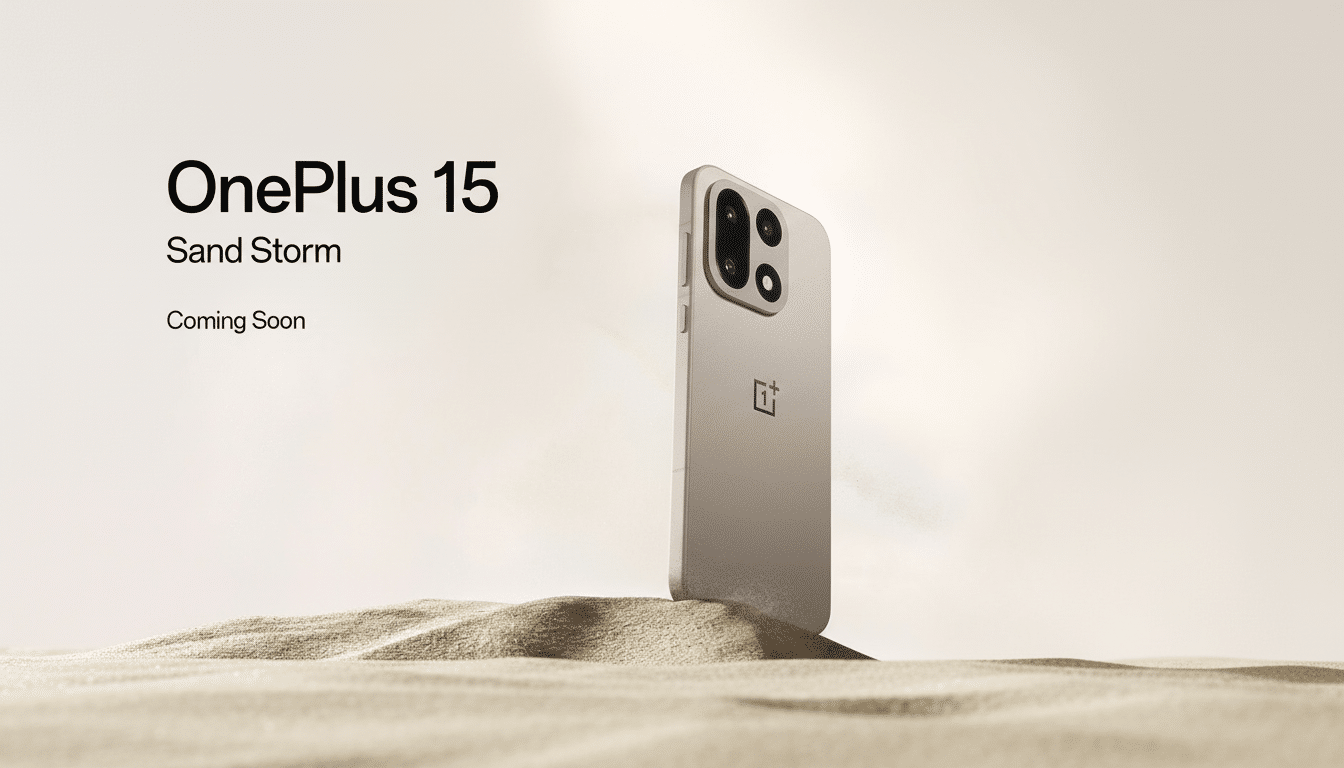
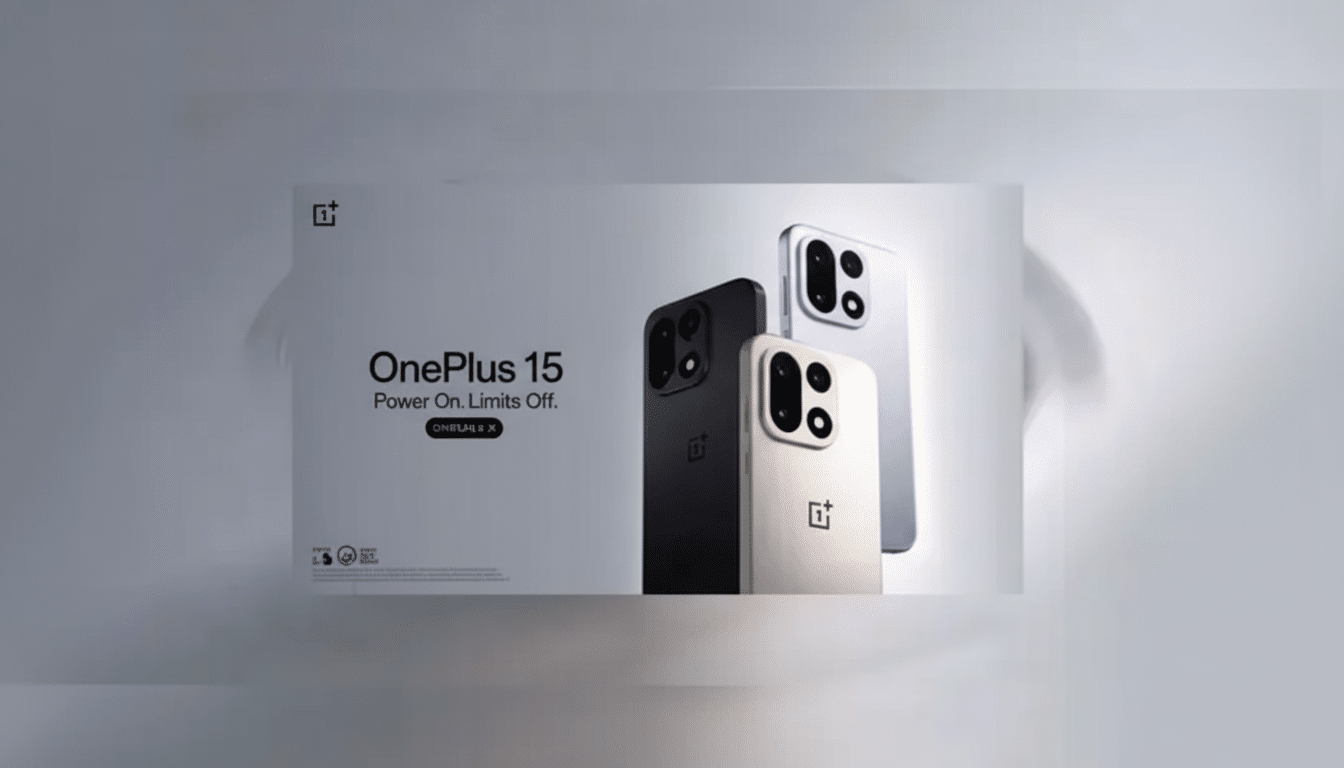
Color choices are limited at launch. Currently, the 256GB version is available in Infinite Black, and the 512GB version adds Ultra Violet and Sand Storm. If you have a particular finish in mind, then the more expensive configuration may be the only way to secure it on day one.
To sweeten the belated arrival, buyers can choose one of those launch‑period perks: a free case, a charger (which costs £16.99), or a set of OnePlus Buds Pro 3. Stock will be available for purchase through the official OnePlus store as well as major online stores, but availability could vary while initial batches sell out.
Why It Matters: Position in the Current Flagship Race
In a phone market where many premium models converge in types of chipsets and camera counts, the thing that distinguishes the OnePlus 15 is real, actual endurance. Compared to flagships that are not much beyond the 5,000mAh mark, a 7,300mAh cell with 120W wired charging is an immediate and practical advantage anyone feels right on day one. If OnePlus is able to manage the thermals and put a clamp around camera tuning in subsequent updates, though, there’s a strong argument that this might be one of the best value bets in the US Android space right now.
