


Samsung’s next One UI release is shaping up to be a quiet revolution for mobile creators. Early builds of One UI 8.5 show a new system utility called Advanced Audio that unlocks 24-bit audio recording from wireless microphones over Bluetooth, a first for Samsung phones and a direct nod to vloggers, podcasters, and filmmakers who’ve been pushing smartphones into pro workflows.
Advanced Audio Arrives in One UI 8.5 with Creator Controls
Spotted in the software by well-known tipster Galaxy Techie on X, Advanced Audio looks like a purpose-built control panel for creators. The utility reportedly enables 24-bit capture from compatible Bluetooth microphones and adds in-app controls for gain and noise reduction—settings that typically live on external receivers or require third-party apps. Early testers also note quick access from the Now Bar and a camera-adjacent pill, hinting at on-the-fly tweaks while filming.
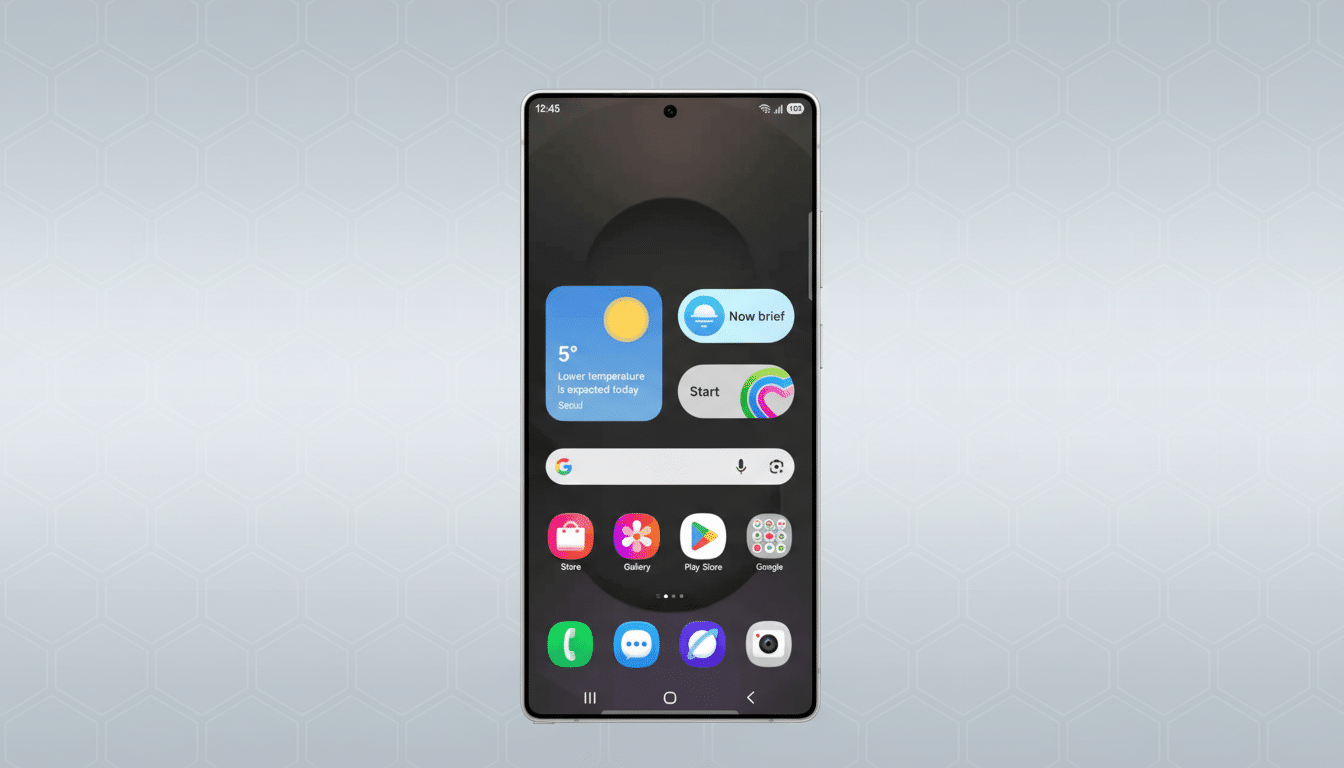
There’s another standout: support for recording from two microphones at the same time. Dual-mic capture is a cornerstone of interviews, panel discussions, and two-host podcasts. If Samsung implements separate mono tracks—or a true left/right split—creators could mix speakers independently in post, a workflow win that typically demands dedicated recorders.
Why 24-Bit Audio Over Bluetooth Matters for Creators
Moving from 16-bit to 24-bit isn’t just an audiophile flex; it’s practical headroom. In simple terms, 24-bit audio raises the theoretical dynamic range from roughly 96 dB to about 144 dB. That extra room reduces the risk of clipped peaks in unpredictable environments—street interviews, event halls, or windy rooftops—and preserves detail that editors can recover later. The Audio Engineering Society has long noted the post-production benefits of higher bit depth even when final delivery is compressed for social platforms.
Bluetooth is the wild card. Traditional headset profiles cap quality and prioritize latency. But newer stacks—like LE Audio and the LC3 codec endorsed by the Bluetooth SIG—deliver higher fidelity at lower bitrates than classic SBC. Samsung’s own Seamless Codec already handles 24-bit playback on select earbuds. Advanced Audio suggests Samsung is extending that pro-friendly philosophy to the input chain, ensuring what a mic captures arrives at the phone with more precision before any compression or export.
Early Compatibility and Open Questions for One UI 8.5
Initial support appears focused on DJI’s mic ecosystem: Mic 2, Mic 3, Mini, and the forthcoming Mini 2. For run-and-gun shooters, that’s a practical safeguard—if you leave the receiver behind, you can reportedly pair a transmitter directly and still get high-quality audio into the phone. DJI’s recent mics already tout 24-bit recording and robust wireless links, so the alignment makes sense.
Two big unknowns remain. First, device eligibility: it’s unclear whether Advanced Audio will be exclusive to flagship phones or roll out broadly to One UI 8.5-compatible models. Second, accessory breadth: there’s no confirmation yet on whether Samsung’s own earbuds—like the anticipated Galaxy Buds 4—will tap into 24-bit recording, despite existing support for 24-bit playback.
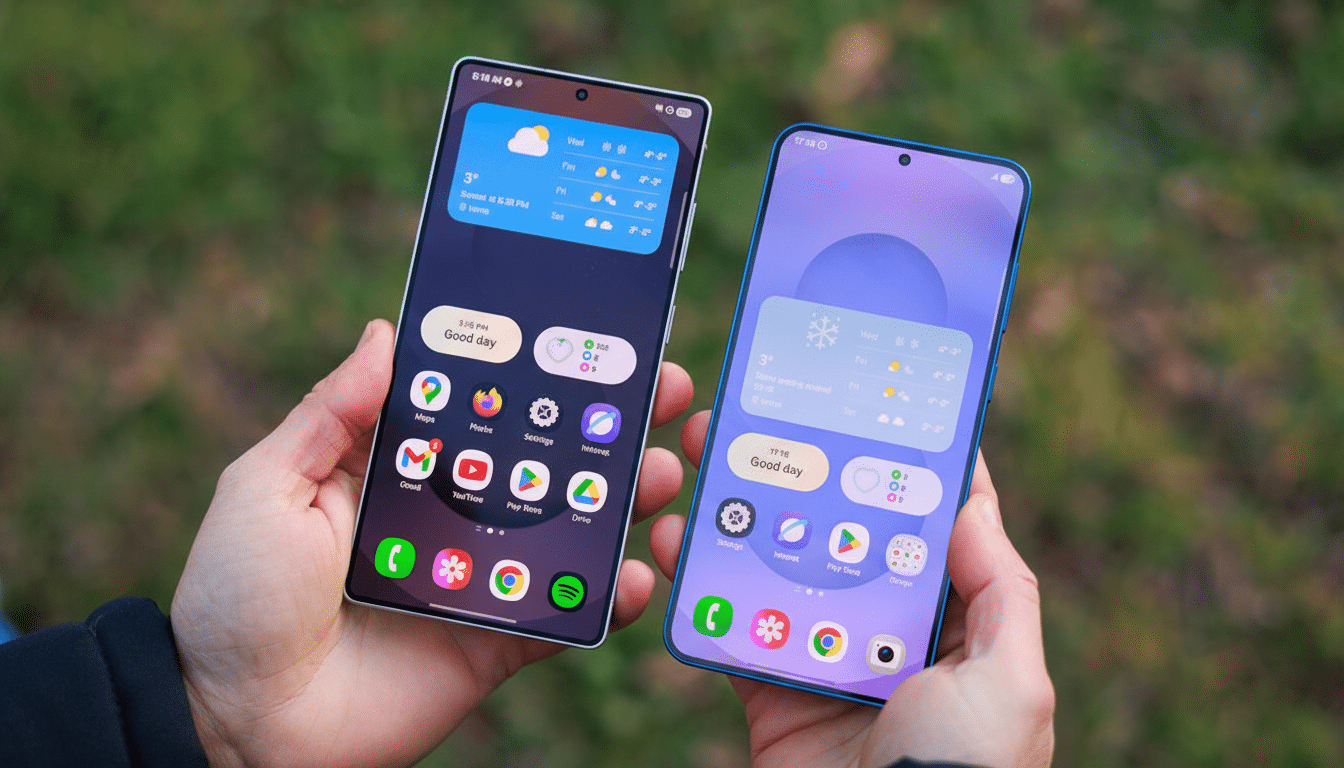
An early APK build, shared by the same tipster, reportedly works via Activity Launcher but presently recognizes only the DJI Mic 3. That suggests broader compatibility may follow with the official rollout, likely timed around Samsung’s next Unpacked showcase alongside its upcoming Galaxy lineup.
What Creators Gain in the Real World with One UI 8.5
Mobile creators live and die by speed. Being able to plug nothing in, pair a pro-grade mic, and record 24-bit audio straight into the native camera or voice app trims setup time and failure points. Dual-mic capture means a two-person street interview, a quick podcast intro, or a walk-and-talk can be done without extra hardware. Onboard gain and noise controls help normalize levels and tame background hum before you ever open an editor.
This dovetails with where content is going. Short-form video is exploding—YouTube has cited tens of billions of daily Shorts views—and audio clarity is a key driver of watch-through and engagement. Meanwhile, research from major consultancies pegs the creator economy well into the hundreds of billions of dollars, with steady growth ahead. A smartphone that shortens the path from idea to polished clip is more than a spec bump; it’s competitive leverage.
What to Watch Next as Samsung Finalizes Advanced Audio
The launch version will tell us how deep Samsung went. Look for details on supported sample rates, whether dual-mic sessions export as discrete tracks, how latency fares for livestreaming, and which third-party camera apps can hook into Advanced Audio. If Samsung pairs 24-bit capture with expanded manual controls and broader mic certification, One UI 8.5 could turn Galaxy phones into reliable A-cams for more creators—not just backups.
For now, the signal is clear: Samsung is treating audio as a first-class citizen. If the shipping build matches the promise of these early glimpses, creators stand to gain a simple, meaningful upgrade where it counts—cleaner, more flexible sound without a tangled rig.
