


Organic kids’ food maker Once Upon a Farm has revived its public listing ambitions, filing an updated S-1 that sets an initial price range of $17 to $19 a share and signaling renewed appetite for consumer IPOs. The company, co-founded by actor and advocate Jennifer Garner alongside Cassandra Curtis and Ari Raz, is seeking to raise roughly $208.9 million at a valuation of about $764.4 million, according to the registration and reporting from Reuters.
The decision follows a previous pause tied to a government shutdown and arrives as investors warm to brand-led consumer stories with clear growth trajectories. IPO research service IPO Scoop indicates a debut is imminent, suggesting that the consumer window—icy not long ago—may be thawing for companies with strong recognition and differentiated positioning.
Inside the Offering: Banks, Pricing Dynamics, and Proceeds
Goldman Sachs and J.P. Morgan are leading the deal, underscoring the syndicate’s confidence in demand for a well-known brand in a sensitive, trust-driven category. The indicated range offers flexibility to upsize if institutional interest proves strong. While the company’s S-1 will ultimately detail use of proceeds, growth-focused consumer issuers typically allocate fresh capital to marketing, product innovation, and supply chain capacity, alongside general corporate purposes.
Pricing dynamics will be closely watched. Settling at or above the top of the range would signal robust book-building and likely unlock the customary over-allotment option—often up to 15%—that can add proceeds if buying pressure persists. Conversely, a tighter print would still put the company on public footing with brand momentum and a cleaner balance sheet.
Brand Strength and Category Dynamics in Kids’ Foods
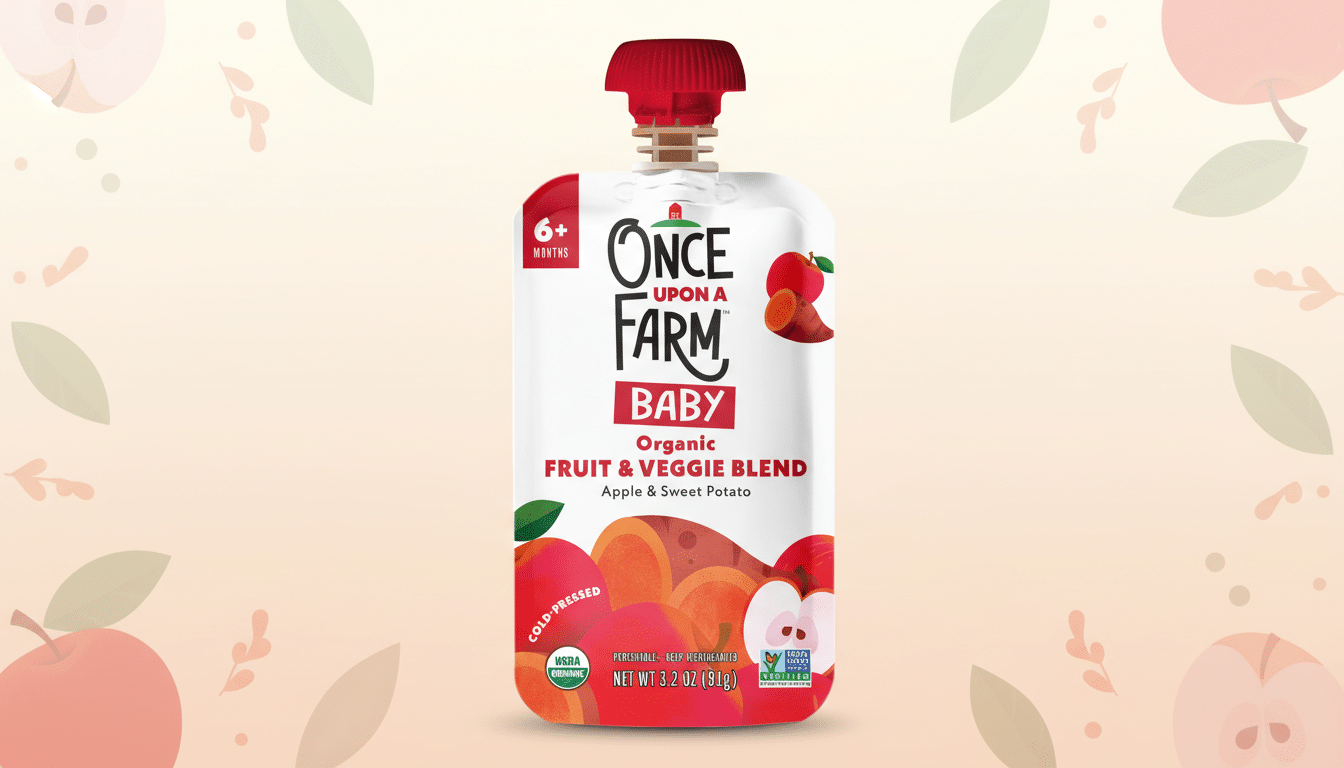
Founded in 2015, Once Upon a Farm built its reputation around organic baby food and kids’ snacks, leaning into clean labels, simple ingredients, and a parent-first message. Garner’s visibility has amplified the brand’s voice, but the company’s traction also reflects persistent shifts in household spending toward “better-for-you” staples and convenient, minimally processed options for children.
Retail data providers such as NielsenIQ and SPINS have tracked steady growth in natural and organic offerings across center store and refrigerated sets, as parents trade up for perceived quality and transparency. The Organic Trade Association reports that organic food sales have climbed to new highs, reinforcing a broader tailwind for mission-driven labels that can demonstrate safety, nutrition, and taste without compromising convenience.
Quality expectations in baby and kids’ foods are high, especially after intensified scrutiny around ingredient standards and contaminants highlighted by lawmakers and the U.S. Food and Drug Administration. Brands that commit to rigorous testing and clear sourcing narratives can earn trust—and repeat purchase—in a category where parental loyalty is hard-won but durable.
Capital Backers and Track Record Ahead of Public Debut
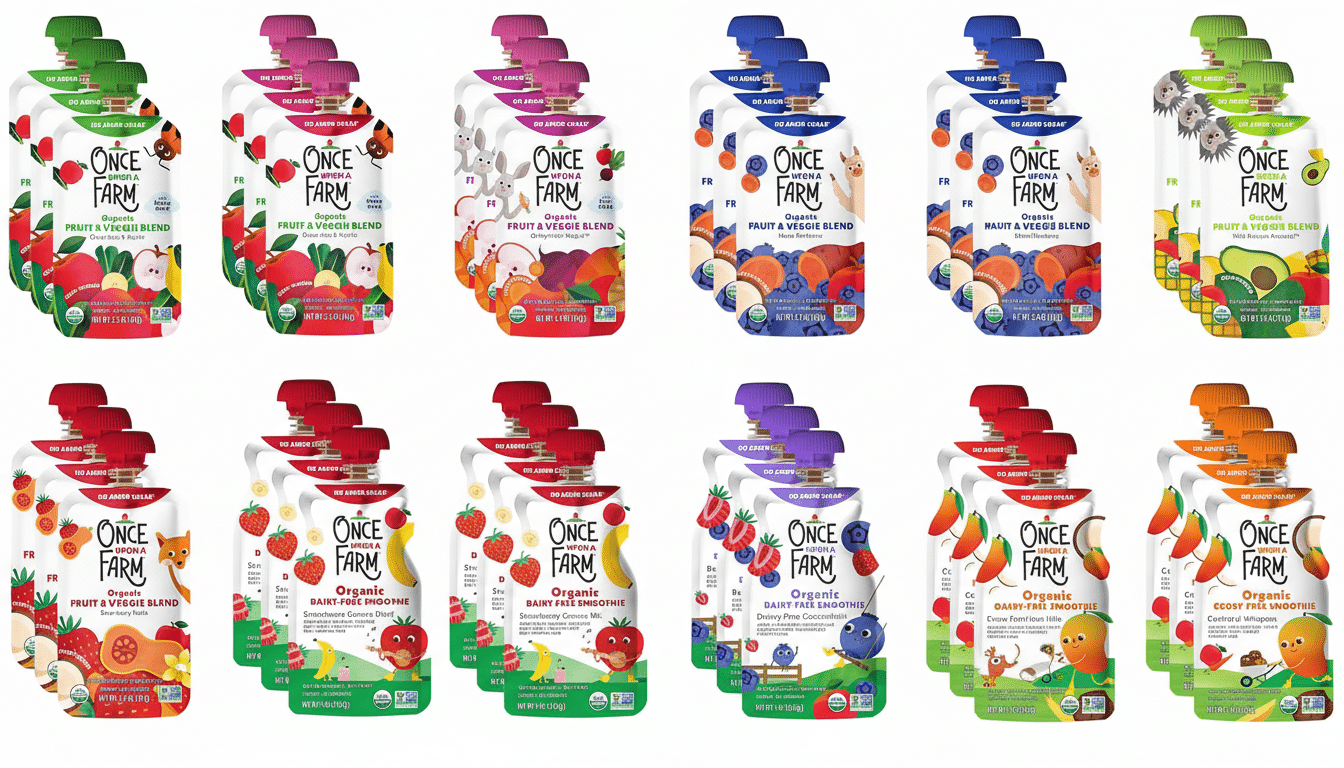
According to PitchBook, Once Upon a Farm has raised nearly $100 million to date, backed by investors including S2G Ventures and CAVU Consumer Partners, firms known for scaling food and beverage brands. That funding helped expand distribution and product lines, setting the stage for a public listing that can provide both growth capital and liquidity for early stakeholders.
The target valuation around $764.4 million would place the company alongside a cohort of modern, brand-led consumer issuers that have come public with sub-$1 billion market caps. Renaissance Capital’s IPO research has long noted that category leaders with clear points of differentiation tend to fare better in the aftermarket than lookalike entrants, especially when growth is accompanied by improving unit economics.
What Investors Will Watch as Once Upon a Farm Goes Public
Beyond the headline price, institutional buyers will focus on velocity trends across key retail accounts, repeat purchase rates, and the gross margin path as scale improves. Expansion from core baby offerings into adjacent kids’ snacking occasions is another lever that can broaden household penetration and extend lifetime value.
The celebrity co-founder effect can deliver outsized earned media and brand awareness, but public markets will ultimately reward predictable growth and a credible route to profitability. Clear communication around innovation cadence, supply chain discipline, and marketing efficiency will be critical in the first quarters as a public company.
For the broader market, the deal serves as a litmus test for consumer appetite in new listings. A strong reception would encourage more brand-forward issuers to step up, while a tepid outcome could keep others on the sidelines. Either way, Once Upon a Farm’s return to the IPO path marks a noteworthy moment for the intersection of mission-driven food and public capital.
