


A small, ear-worn device is getting some attention for its effort to treat one of the most universal health complaints in people who menstruate: painful cramps. Displayed on the CES floor, OhmBody is a neurostimulation wearable intended to ease period symptoms sans medication by regulating activity in select cranial nerves.
The need is unmistakable. More than half of those who menstruate have moderate to severe period pain, according to Yale Medicine. For many people, cramps are more than merely inconvenient — they interfere with daily activities, exercise, sleeping and working.
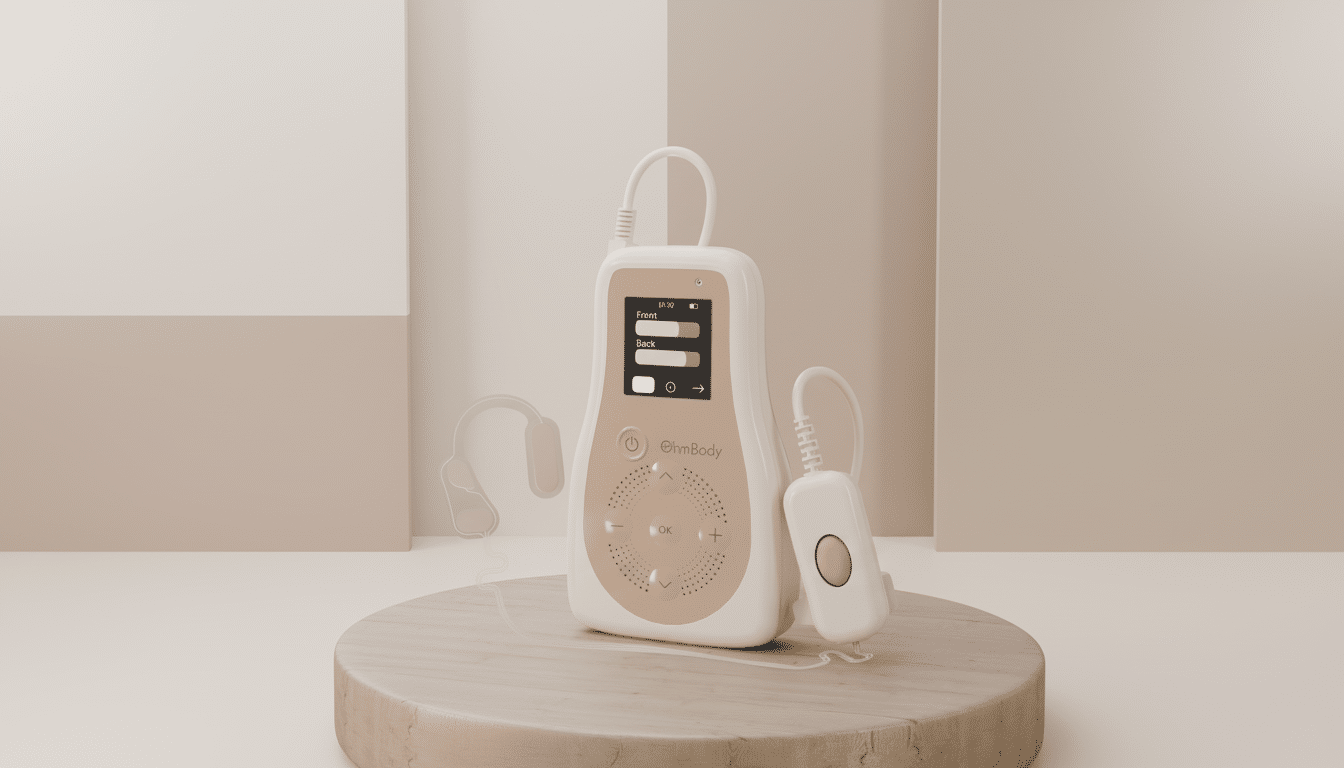
The system uses a patented earpiece, matched with a handheld controller. Users put the earpiece near their outer ear and adjust intensity on a controller, then wear it for about two hours on days with symptoms. It feels a bit like the faint tingling of a foot that is “falling asleep,” company representatives say.
How the wearable works to ease period cramps
The device provides mild electrical stimulation to the skin of the outer ear, where it can stimulate a network of nerves that connect into specific parts of the central nervous system. These networks all contribute to pain and autonomic regulation functions that affect uterine muscle contraction, blood vessel tone, movement of the gut and stress responses that can exacerbate menstrual cramps.
Menstrual cramps are, physiologically, mostly due to prostaglandins that cause stronger contractions and temporary decreases in blood flow. By encouraging the nervous system toward a parasympathetic, “rest-and-digest” state and activating pain-gating mechanisms, neurostimulation can help dull the strength of these signals. It’s not going to affect the level of hormones themselves; rather, the way your body reacts to those cyclical changes might feel more manageable.
What the research says about this menstrual device
Noninvasive electrical stimulation is no stranger to menstrual care. Transcutaneous electrical nerve stimulation (TENS) has decades of history, and systematic reviews report that high-frequency TENS can decrease dysmenorrhea pain among many users. OhmBody goes in a different direction, instead relying on auricular stimulation that aims to reach branches of the cranial nerves rather than the lower abdominal or back areas.
The data for vagus nerve stimulation through the ear is preliminary but encouraging. Small pilot studies indicate it can “dampen sympathetic arousal,” ease pain perception, and modulate the immune system — all of which would be relevant in period symptoms. Scientists at the National Institutes of Health have reported that vagus nerve stimulation is capable of shifting autonomic balance toward parasympathetic, and cytokine expression from a pro- to anti-inflammatory profile, identifying potential mediators involved in relieving symptoms. Trials remain relatively small, specifically in primary dysmenorrhea, so patients will probably respond differently.
The magnitude of the problem is a clear indication why there should be high interest. One BMJ Open study of working-age women estimated close to nine days of lost productivity each year, per person, thanks to period symptoms; most of it was “presenteeism,” rather than missed days. “Things that make it so people can function a little bit better for just two hours of the day can have huge effects on quality of life and work,” she says.
What daily life looks like with the OhmBody device
OhmBody is intended for use on a session basis when you’re actively suffering. The company recommends wearing it for around two hours, at a level you can handle — so long as the induced tingling is not too aggressive. And since the earpiece is positioned at the outer ear, wearers are left hands-free and can go about their day: resting in bed, reading a book, or working from a desk.
Like any other neurostimulation device, it offers no cure for underlying causes such as endometriosis or fibroids. Instead, it might be an adjunct to traditional treatments such as NSAIDs, heat therapy, gentle exercises and ensuring you get decent shut-eye. Some people should consult a clinician before using electrical stimulation, including those with implanted electronic devices, heart conditions, or who are pregnant.
Price and the broader femtech landscape for pain relief
Comfort has a price tag. OhmBody offers two kits, starting with the Active Kit for $579 (with an extended-wear version available for order), and then the Classic Kit at $559 — both of which come with the earpiece and ear tips designed to fit your ears. That puts it at the high end of consumer pain-relief devices, but still well below the price of implanted stimulators.
The device arrives amid a tidal wave of menstrual health technology. Sensor-enabled products such as Natural Cycles and Oura Ring have helped bring cycle tracking into the mainstream, while future-stage devices like Vivoo’s Flow Pad are developing ways to turn menstrual fluid into insights on microbiome status and fertility. The pitch from OhmBody is more narrow, but just as urgent: fewer cramps, better days, no pills.
If future trials confirm the early promise of auricular nerve stimulation for dysmenorrhea, this discreet earpiece could soon take its place alongside heating pads and over-the-counter analgesics as a first-line treatment for menstrual relief. Even incremental relief could be a significant upgrade for the many who time their month around pain.
