


Barack Obama has published his 2025 Best Of list, the now annual end-of-year playlist of favorite movies, music and books that has grown into a year-end tradition for culture watchers.
Within minutes of the post landing on his social channels, fans, artists and industry insiders were parsing the picks and posting reactions, making the list one of the day’s most-discussed flash points in culture.
What the 2025 picks tell us about Obama’s year-end list
The music section generated the most early buzz. A mix of indie fixtures and marquee names, as well as passing acknowledgments of Jay Som, Laufey and Jason Isbell sat alongside weightier mentions of mainstream rap’s recent royalty — Drake, Kendrick Lamar. Pop loyalists also cheered a nod to Lady Gaga, while K-pop fans enjoyed representation from their scene — an ever more common element on Obama’s lists, as global music consumption broadens.
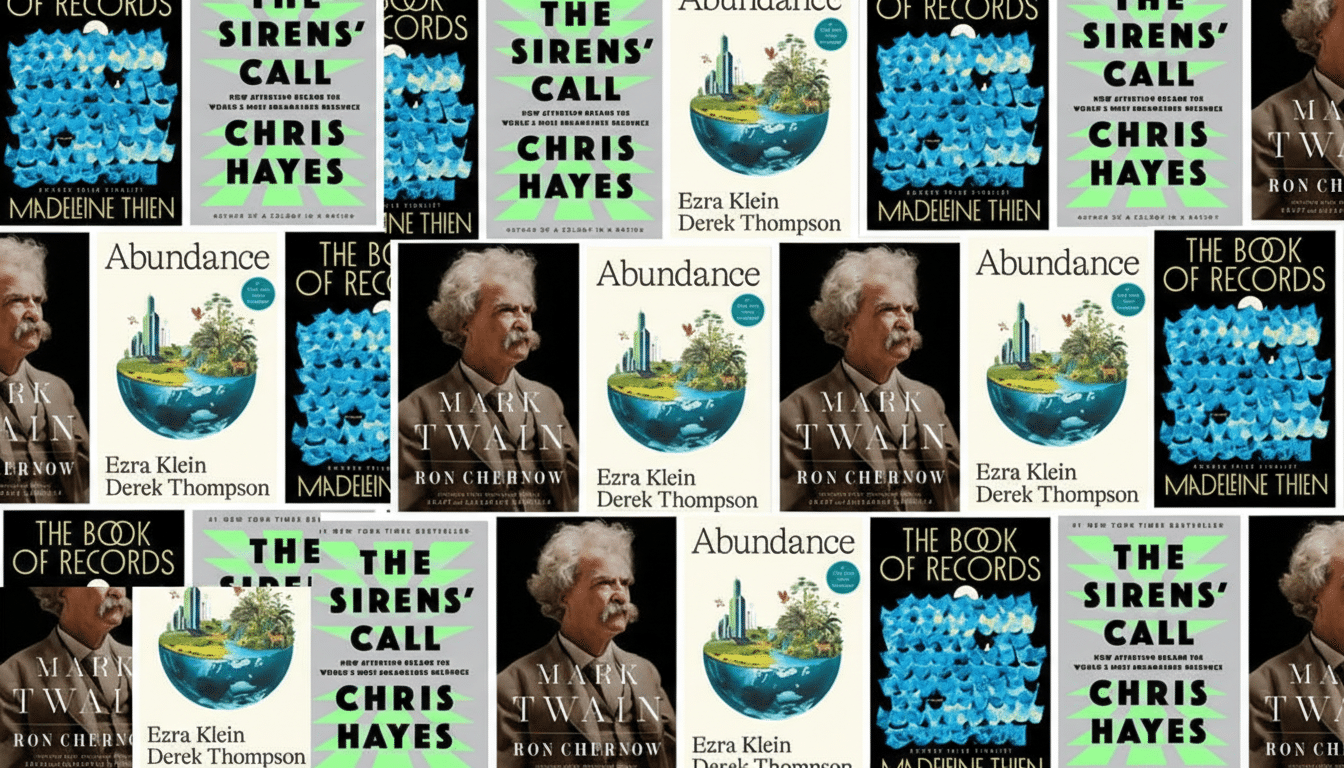
The movie selections tilted toward the kind of Obama sweet spot: celebrated indie festival centerpieces, a couple cream-of-the-crop studio releases, and international titles that cinephiles proselytize about all year long. On the books front, this was weighted in favor of nonfiction heavyweights — policy, history and critical essays — alongside buzzy literary fiction and a couple of debut voices that align with the sensibility that has defined his reading lists post-White House.
The throughline is eclecticism. The former president’s lists straddle that line — one foot in the hotly debated middle ground, another in those critic-loved margins that a curation mode can invite discovery from (but also provide reassurance to casual readers and listeners).
The internet reacts, online and IRL to the 2025 picks
The cycle of reaction is becoming a familiar one. On music Twitter, the post served as a referendum on taste: hip-hop stans quibbled over Drake’s and Kendrick’s inclusions; indie devotees dissected where the rising acts landed; pop timelines huzzahed high-gloss picks. K-pop fandoms jumped into action, celebrating visibility and exchanging predictions on which tracks might receive surges in listeners.
One thread quickly bubbled up: the return of a viral 2023 post from musician Lucy Dacus, whose acidic response to Obama’s playlist that year spread as a meme and even an occasional litmus test for artists navigating politics and pop culture. The callback served as a reminder of how Obama’s own year-end tradition flows across so many streams — music fandom, political critique, internet humor — in a manner that few individual lists manage.
Cinephiles, meanwhile, revved up their ranked lists and corrections: options were proposed and fights broke out over which late-year releases should have made the cut. BookTok and traditional book critics offered annotated threads, highlighting titles they think will land on prize lists and pushing under-the-radar picks onto fresh TBR stacks.
Do these lists help set culture in motion each year?
The short answer: yes, at least when it comes to the margins — and sometimes more. Obama’s social reach is massive across platforms, and his name-drop in a year-end list exposes artists and authors to audiences that an algorithmic feed might not — Chartmetric found that high-profile playlist add-ins often led to double-digit bumps in streams, though Obama’s picks aren’t official platform playlists but rather something like an endorsement layer on top of editorial curation.
On the book side, according to analysts at Circana BookScan, sales bumps are common when a title is spotlighted by widely followed tastemakers or high-visibility clubs. Librarians track hold-list spikes after the book is recommended by a celebrity, and indie booksellers often build displays around the list the week that it lands as if they’d found a discovery engine for holiday shoppers.
When it comes to film, you’ll get some observers of the critical and awards landscapes paying attention — because Obama’s taste has typically fallen within the wheelhouse of those festival darlings and prestige hopefuls. Though it doesn’t predict trophies, amplification is success: a well-timed shout can send new interest toward late-window releases still expanding to wider audiences.
The authenticity debate returns around Obama’s selections
Every year when this exercise pops up, it raises the question: To what extent are these Obama’s — and not just staff — picks? The former president has said in the past that he often receives the suggestions from friends and aides, and then writes down the lists himself. That’s the process that most editors, critics and creators follow — they let trusted sources pour into their funnel and out come stories that reflect the curators’ voice.
It is also why the selections sound coherent even when they span genre: a nonfiction lean in books, a respect for craft-forward cinema and a music palate that allows room for both singer-songwriters and chart-shaping rap. The curation is taste and signal: artists who might not arrive in casual timelines without a nudge.
What this year’s list tells us about culture and taste
Beyond the memes and stan skirmishes, the 2025 list reads like a snapshot of a culture finding equilibrium between viral novelty and slow-burn artistry; between tales of home life and voices from around the world; between legacy artists who’ve been there, done that, then come back to do it again, and newly minted ones trying to figure out how they’ll play it. That mix is exactly why the list has sticking power: it functions as both a discovery guide and a conversation instigator, encouraging readers, listeners and viewers to dabble across lanes.
For creators, making the list remains a powerful accelerant. For the audience, it provides a curated way through an overwhelming year of releases. And for the internet, it’s the once-a-year dip that sends an equal mix of earnest recommendation threads and heated, meme-fed debate to our ears — evidence would suggest that even at scale, a personal list still shapes what we watch, read, or play next.
