


Nvidia is said to be restarting production of the GeForce RTX 3060, a midrange darling from the Ampere generation that’s experiencing newfound popularity due to supply chain issues in the PC hardware world. Reports from VideoCardz and established leaker accounts claim that the add-in board partners have been informed to anticipate additional shipments, with the coming card acting as a release valve for tight supply and ballooning prices of newer GPUs. Nvidia has not confirmed the plan, but such a shift would be in line with a larger industry trend of focusing on what can be produced reliably and at scale.
Why an Older GPU Suddenly Makes New Sense
The RTX 3060’s recipe calls for ingredients: Samsung’s 8nm process and the commonly used GDDR6 memory. That mix, in practice, could skirt bottlenecks plaguing current-gen cards—many of which require more modern process nodes and faster, harder-to-source memory. DRAM analysts at TrendForce have been monitoring sky-high contract prices and have favored capacity for high-bandwidth memory and low-power DRAM—the very types that feed AI accelerators and mobile—stepping on other traditional PC parts as a result.
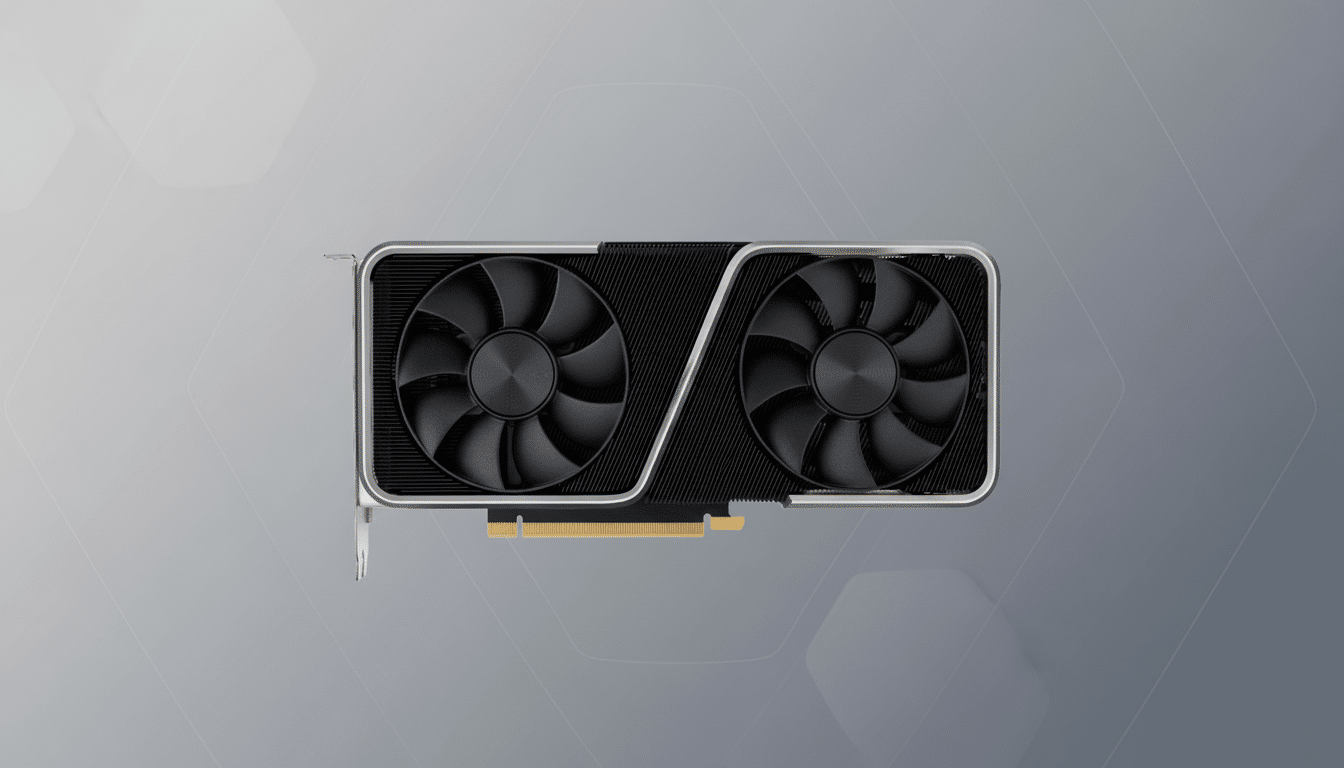
In short, reviving a GPU that can be constructed from ample wafers and memory chips is a practical way to prevent store shelves from staying bare. This is a familiar strategy because flagship components don’t stay rare for long, forcing vendors to fall back on designs they can manufacture efficiently by the millions.
Which GeForce RTX 3060 Variant Is Likely to Return
There were two flavors that served to define the 3060’s life: an 8GB model with a 128-bit bus and another with 12GB on a wider, thicker, more expensive, cooler-running, and generally healthier 192-bit bus. The 12GB setup would be the headliner, though, for games and creator workflows of today. Texture-heavy releases, sprawling open worlds, and modern upscalers will all benefit from a bigger VRAM pool—especially at 1080p with higher-quality presets.
Hash-rate limits—a central talking point at that time—would not be as relevant now. What it will boil down to is whether board partners are able to ship dead-quiet coolers, sane power limits, and updated firmware that will get along with today’s drivers. The RTX 3060 has time and time again made appearances on the Steam Hardware Survey, giving it balanced credentials to cater to esports as well as mainstream AAA games.
Price and Positioning for a Potential RTX 3060 Reboot
A 3060 reboot rises or falls on its price. In the past few cycles, the actual contest at the entry-mid tier has gotten savage: cards like GeForce RTX 4060 and Radeon RX 7600 have duked it out on street pricing, performance-per-watt, and knockouts delivered. Third-party testing has reliably put the 3060 a peg or more down from those newer GPUs in raw rasterization performance, with strengths showing up in 1080p play, strong 1440p esports speeds, and reliable NVENC encoding for streaming and capture.
To really hit, partners are going to need to be sub-$200 for the 12GB one.
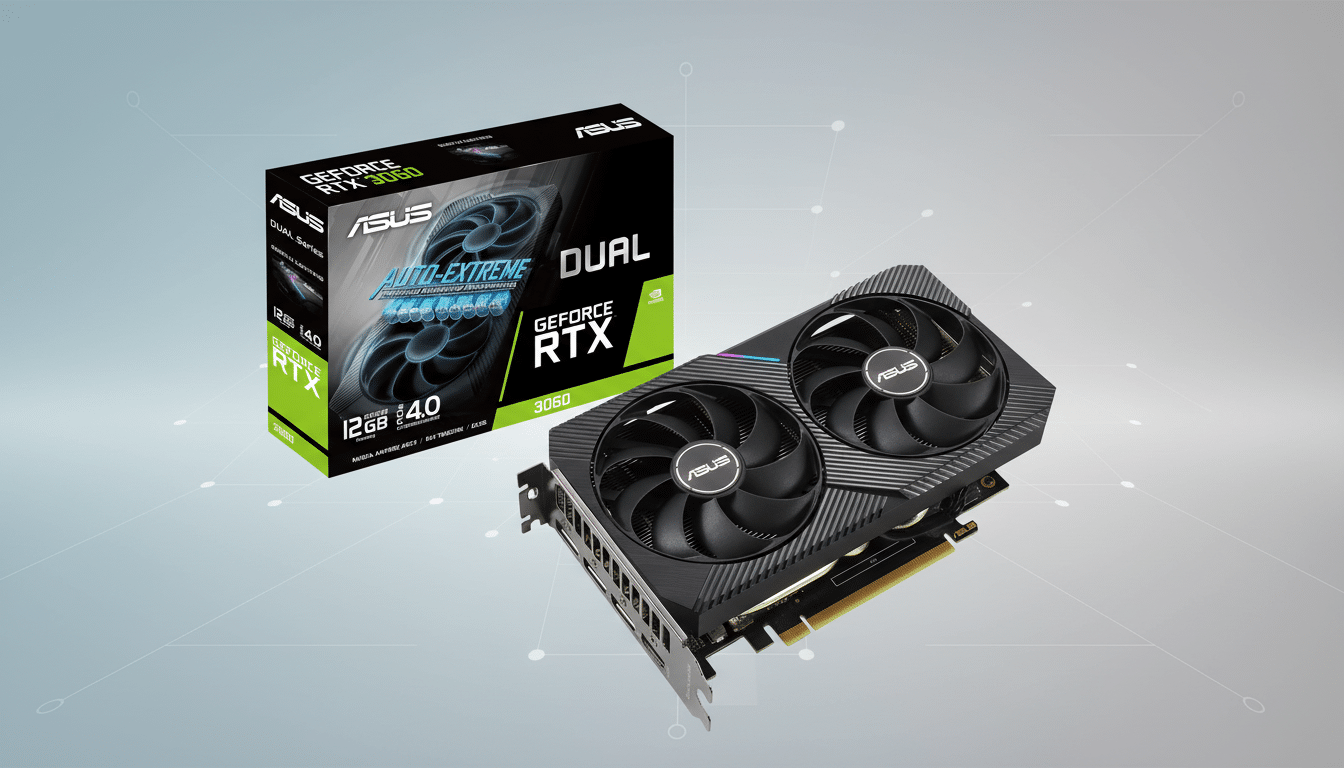
That makes it daylight versus current-gen entry options and undercuts a lot of the used and refurbished listings. Much more than that risks getting squeezed by faster cards on sale, or value offerings from the last generation still in circulation.
What It Means for PC Builders and Major OEMs
System integrators and large OEMs get the most out of predictable supply, and a reissued 3060 could be just the ticket to help stabilize configuration lists covering budget desktops as well as mainstream products. For small builders, it’s a no-thought-required drop-in: low power draw, pocketable size, and no requirement for extra power cables (but do note its 8-pin adapter requirement; don’t get too excited by the lack of PCIe connectors). For those on the buying side of things, it provides a straightforward upgrade from an aging GTX card without learning any new acronyms or having to worry about whether you need high airflow in your case.
This also mirrors how players really play. According to Steam’s public data, 1080p is still the preferred resolution and the 3060 can still get you high frame rates at playable settings on most popular game titles with DLSS enabled, but leaves room for content creation workloads thanks to Nvidia’s media engines and their Studio ecosystem.
Key Signals to Watch in the GPU Supply Chain
Watch for comments on recent moves by memory suppliers such as Micron, SK hynix, and Samsung, which have been repurposing capacity for high-value HBM. If GDDR6 output opens up, or if pricing cools, that would help justify larger 3060 volumes. Similarly, board partner catalogs from Asus, MSI, Gigabyte, and others tend to spill the beans first through product page updates and regional listings.
The Big Unknowns and Remaining Open Questions
Until Nvidia or its partners officially say so, this is still a rumor. There are also still unanswered questions around what memory configuration people should expect and whether we will hear about firmware updates or even small silicon tweaks (which are unlikely). There’s also the danger of contentious sales cannibalization for lower-end current-gen products if pricing isn’t managed carefully.
If those reports are true, however, a sensibly priced RTX 3060 revival might be just what this market needs: a workhorse 1080p card that’s also readily available to buy, relieving supply pinch points further up the stack while offering system builders on a budget an easy excuse to move away from rolling dice with used hardware.
