


Noise-cancelling headphones have become increasingly popular, particularly for travellers, office workers, and anyone seeking a focused listening experience. High-quality noise cancelling headphones provide clear audio, comfort for extended use, and effective isolation from ambient sounds, making them a valuable investment for many users. These headphones use advanced technology to reduce or eliminate background noise, allowing users to immerse themselves in music, podcasts, or calls. But are they truly worth the investment? Understanding their benefits, limitations, and applications can help you decide.
How Noise-Cancelling Works
Noise-cancelling headphones use two main methods: passive noise isolation and active noise cancellation (ANC). Passive noise isolation comes from the physical design of the headphones, such as padded ear cups that block ambient sound. Active noise cancellation, on the other hand, uses built-in microphones to detect external noise and produce sound waves that cancel it out.
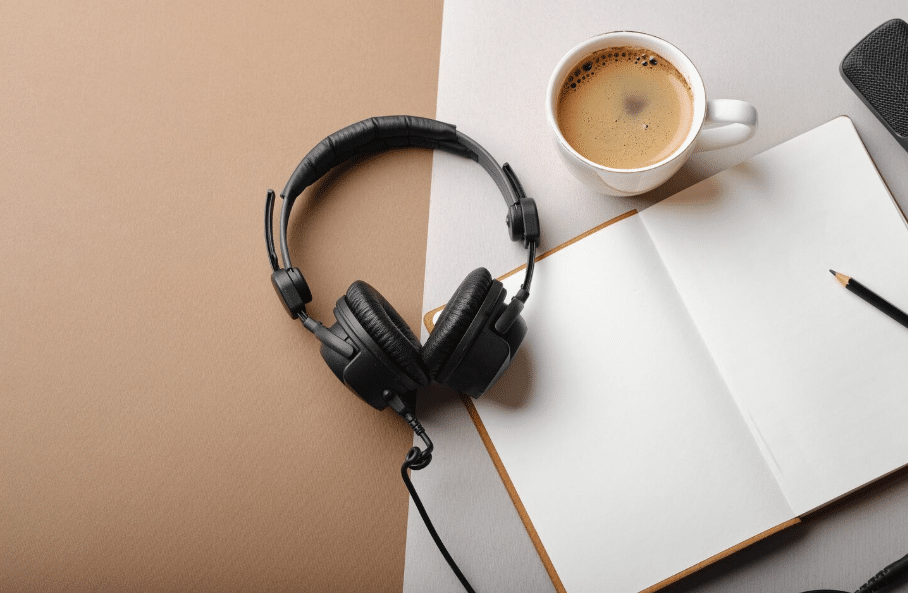
This combination results in a quieter environment, making it easier to focus in noisy places like aeroplanes, public transport, or open-plan offices. Advanced models adjust the level of noise cancellation automatically depending on your surroundings, providing a seamless listening experience.
Benefits of Noise-Cancelling Headphones
One of the most significant advantages is improved concentration and focus. For professionals working in noisy environments, ANC headphones help maintain productivity without being disturbed by background chatter. Students and remote workers can also benefit when studying or attending virtual meetings in bustling spaces.
Travellers particularly appreciate noise-cancelling headphones on flights. By reducing engine noise and cabin sounds, they make long journeys more comfortable and allow passengers to enjoy music or sleep without interruption.
Another benefit is the enhanced audio experience. With reduced external noise, users can listen at lower volumes, protecting their hearing over time while still enjoying clear and detailed sound. Many high-end models, such as the Sony WH-1000XM5 and Bose QuietComfort 45, combine ANC with premium audio quality for a superior listening experience.
Considerations Before Buying
While noise-cancelling headphones offer many advantages, there are factors to consider. ANC technology can increase the price, sometimes significantly. Battery life is also important, as active noise cancellation consumes power. Look for models with long-lasting batteries or fast-charging features.
Comfort is another key consideration. Over-ear designs are generally more effective for noise cancellation, but they can be bulky for travel or extended use. On-ear or in-ear ANC headphones provide portability, though they may not block as much noise.
Additionally, some users report a slight pressure sensation in the ears when using ANC for extended periods. Testing the headphones before purchase or choosing models with adjustable ANC settings can help alleviate discomfort.

Applications and Use Cases
Noise-cancelling headphones are versatile. Frequent flyers, commuters, and office workers can reduce distractions and enhance focus. Gamers can benefit from immersive experiences without being disturbed by external sounds. Even casual listeners appreciate the ability to enjoy music in peace, whether at home, in the gym, or outdoors.
These headphones are also valuable for meditation and relaxation. By minimising background noise, users can create a calming environment to unwind or practise mindfulness.
Conclusion
Noise-cancelling headphones are worth the investment for anyone seeking focus, comfort, and an enhanced audio experience. They combine passive and active technologies to reduce background noise, protect hearing, and improve enjoyment of music and media.
For travellers, professionals, and audiophiles, investing in high-quality noise-cancelling headphones can make a noticeable difference in daily life. While they may come at a higher price point, the benefits in comfort, concentration, and audio quality often justify the cost.
FAQs
Do noise-cancelling headphones block all sounds?
No, they significantly reduce ambient noise, especially low-frequency sounds like engines, but may not eliminate high-pitched noises completely.
Are they safe for long-term use?
Yes, but listening at moderate volumes is recommended to protect hearing, and users should take breaks to avoid ear fatigue.
Do ANC headphones require charging?
Yes, active noise cancellation uses battery power. Most models provide hours of use per charge, with many offering quick-charge features.
Can they be used for calls?
Absolutely. Many noise-cancelling headphones include built-in microphones and enhanced voice clarity for calls, even in noisy environments.
