


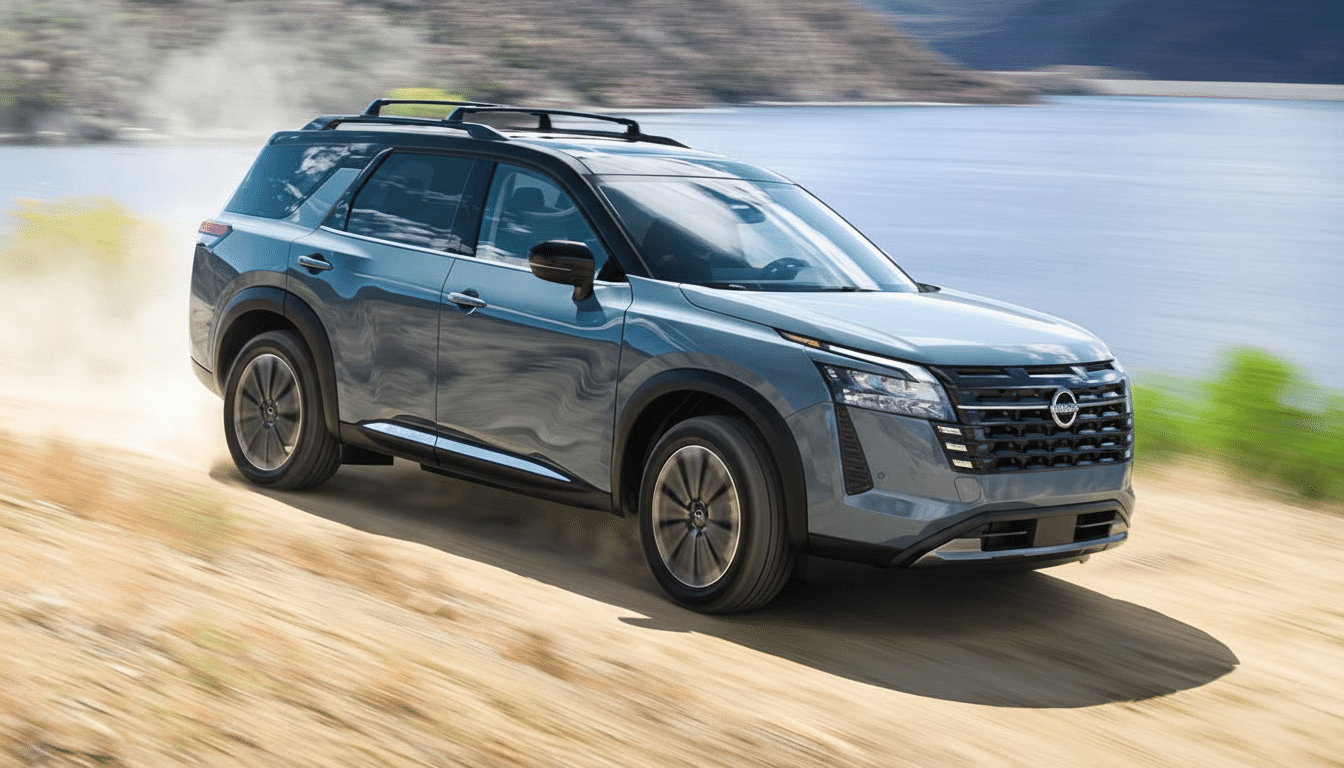
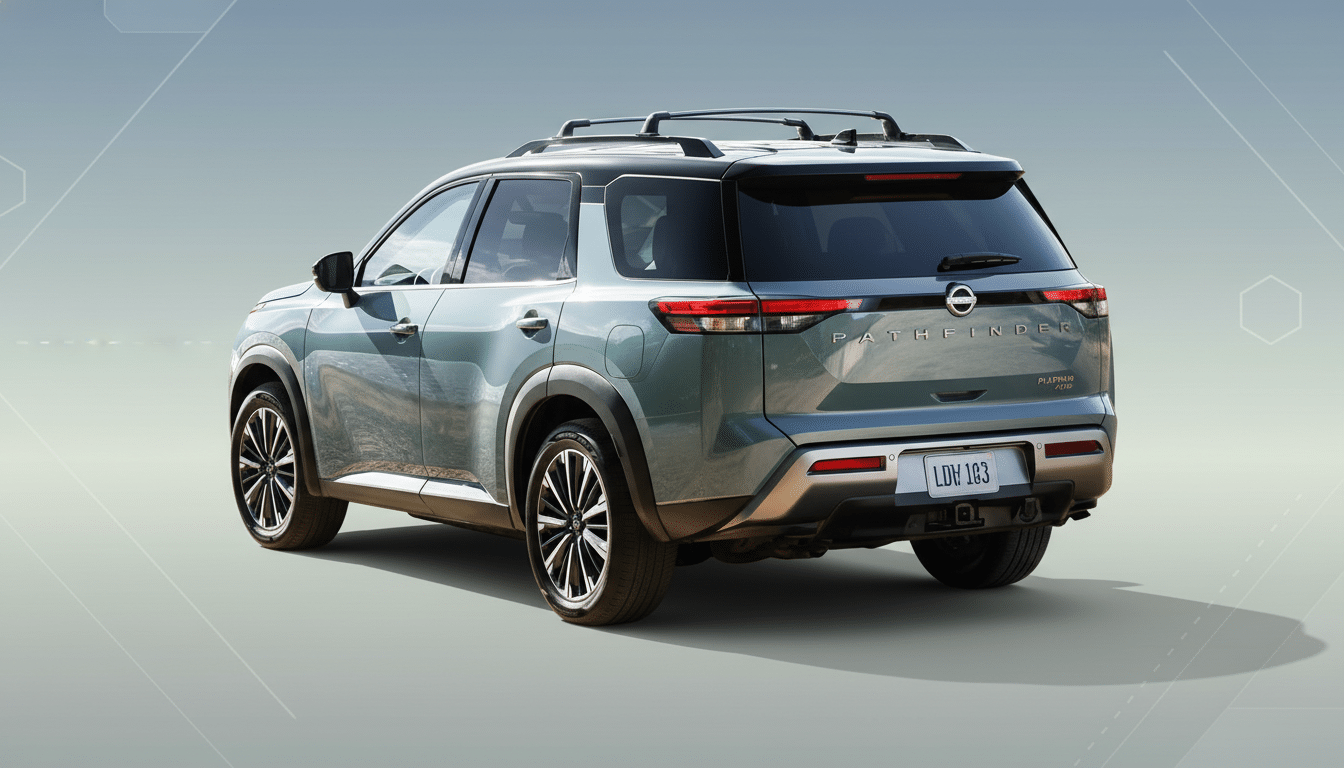
Nissan is bringing magnetic Qi2 wireless charging to the cabin, announcing that its 2026 Pathfinder and Murano will ship with built-in pads designed for steadier power delivery on the move. The factory integration delivers up to 15W, adds active cooling, and uses status lights to make charging more predictable and safer while you drive.
Nissan’s First Qi2-Enabled Models: 2026 Pathfinder And Murano
Both SUVs place the Qi2 pad beneath the center console, where a magnetic ring snaps compatible phones into alignment. Nissan says the pads top out at 15W and include small fans to manage heat—critical in a warm cabin or during fast top-ups.
A simple indicator helps with at-a-glance confirmation:
- Solid orange for charging
- Solid green when the phone is full
- Flashing orange if the device is misaligned or a foreign object is detected
That last piece matters in cars, where coins, keys, and cards can wander into charging cubbies.
It’s a practical upgrade over the slip-prone rubber mats common in current vehicles. The magnetic hold reduces the chance of a phone skittering away on a pothole, interrupting power or scuffing the screen.
What Qi2 Brings To The Cabin: Safer, Steadier Charging
Qi2 is the Wireless Power Consortium’s latest update to the Qi standard, finalized in 2023 and built around a Magnetic Power Profile. The magnets help center the coils, improving efficiency and consistency while capping charging at a standardized 15W. In a moving vehicle, that alignment is the real win: fewer dropouts, less cable clutter, and more predictable charging over a commute.
The standard also tightens foreign object detection and thermal safeguards. Pair that with the active cooling Nissan added, and you get a setup that’s less likely to throttle due to heat—something many owners notice with older in-car chargers during summer months.
Compatibility And Real-World Use Across iPhone And Android
Qi2 accessories interoperate with Apple’s MagSafe ecosystem, so iPhone 12 and newer models snap right into place. On the Android side, the first phones to ship with native Qi2 arrived with the Pixel 10 series last year, and more Android models are expected to follow as component suppliers ramp production.
If your phone lacks Qi2, a magnetic case can often bridge the gap for accessory use, though charging behavior depends on the device’s wireless hardware. In every case, magnet strength and case thickness matter: bulky cases and wallet attachments can reduce alignment and cooling, which in turn can slow charging.
For drivers not ready to buy a new car, third-party mounts remain an option. But factory integration tidies the cabin, keeps the vent airflow free, and avoids the compromises of stick-on mounts in hot interiors.
Why Automakers Are Leaning Into Qi2 For In-Car Charging
As wireless CarPlay and Android Auto spread, keeping the phone powered without cables has become a baseline expectation. Qi2’s magnet alignment fixes the biggest pain point of earlier in-car pads: phones sliding out of the sweet spot during turns or over speed bumps.
Standardization also helps carmakers. Using a common, certified spec from the Wireless Power Consortium streamlines sourcing through Tier 1 suppliers and simplifies compliance testing for thermal performance and foreign object detection. For drivers, it means predictable behavior across brands instead of a patchwork of proprietary solutions.
What To Watch Next As Qi2 Spreads To More Vehicles
Nissan is among the first automakers to bake Qi2 into production vehicles, and it likely will not be the last. Expect follow-on models and rivals to add multiple pads for front and rear passengers, better cable-free storage layouts, and tighter integration with infotainment systems.
For now, Nissan’s move is a tangible quality-of-life upgrade: magnetic, cooler, and clearer charging that finally feels built for the realities of the road rather than the top of a desk. If you carry a Qi2-ready phone, your next SUV could be the easiest way to keep it topped up.
