


Nintendo’s hybrid system has cleared another historic marker. The company’s latest results show the Switch family has reached 155.37 million units worldwide, surpassing the Nintendo DS to become Nintendo’s best-selling hardware and the No. 2 console in history. Only Sony’s PlayStation 2 remains ahead, with widely cited totals of 160 million-plus based on Sony’s historical disclosures and analyst estimates.
A New Milestone for Nintendo as Switch Sales Climb
Overtaking the DS is no small feat. That handheld dominated an era and held Nintendo’s crown for more than a decade with roughly 154 million units. The Switch’s climb past it underscores how a single platform spanning home and portable play, plus refreshes like the OLED model and Lite, extended the system’s appeal far beyond a single console cycle.
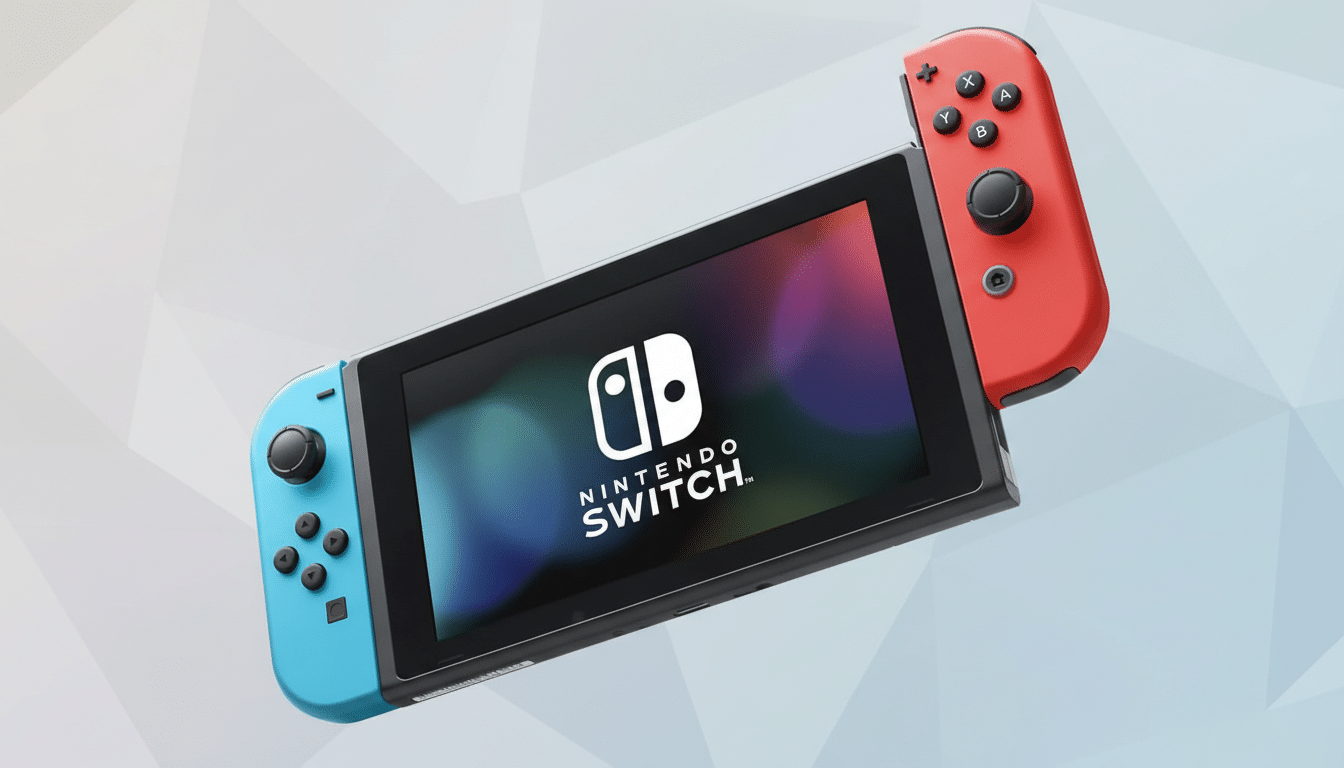
Crucially, the Switch is still selling even with its successor on shelves. That long tail mirrors the way legacy systems often linger at lower prices, but the Switch’s software library has unusual staying power. Evergreen hits from Nintendo’s first-party lineup continue to attract new buyers years after launch.
Why Switch Keeps Selling In Its Ninth Year
The Switch’s strength is as much about design as it is about content. A seamless handoff between docked and handheld play solved a real-world use case, inviting both families and core players. Local multiplayer with detachable Joy-Cons lowered the friction for group play, helping the console become a default choice for living rooms and road trips alike.
On the software side, Nintendo’s portfolio has been unusually durable. Titles like Mario Kart 8 Deluxe, The Legend of Zelda entries, Super Smash Bros. Ultimate, and Animal Crossing: New Horizons have shown long legs in sales charts. Industry trackers such as Circana have routinely reported Nintendo exclusives returning to monthly top-seller lists, a rarity this late in a cycle.
Strategically, bundling, periodic special editions, and a steady cadence of family-friendly hits kept momentum. The platform also benefited from a flourishing indie ecosystem, which treated Switch as a natural home for pickup-and-play favorites that complement blockbuster releases.
Switch 2 Momentum and Pricing Watch Amid Cost Pressures
The milestone comes alongside rapid early traction for Nintendo’s new hardware. The company has sold 17.37 million Switch 2 units to date, already topping the lifetime total of the Wii U, which never reached 14 million. Nintendo has called the Switch 2 its fastest-selling console at launch, and the numbers back that up.
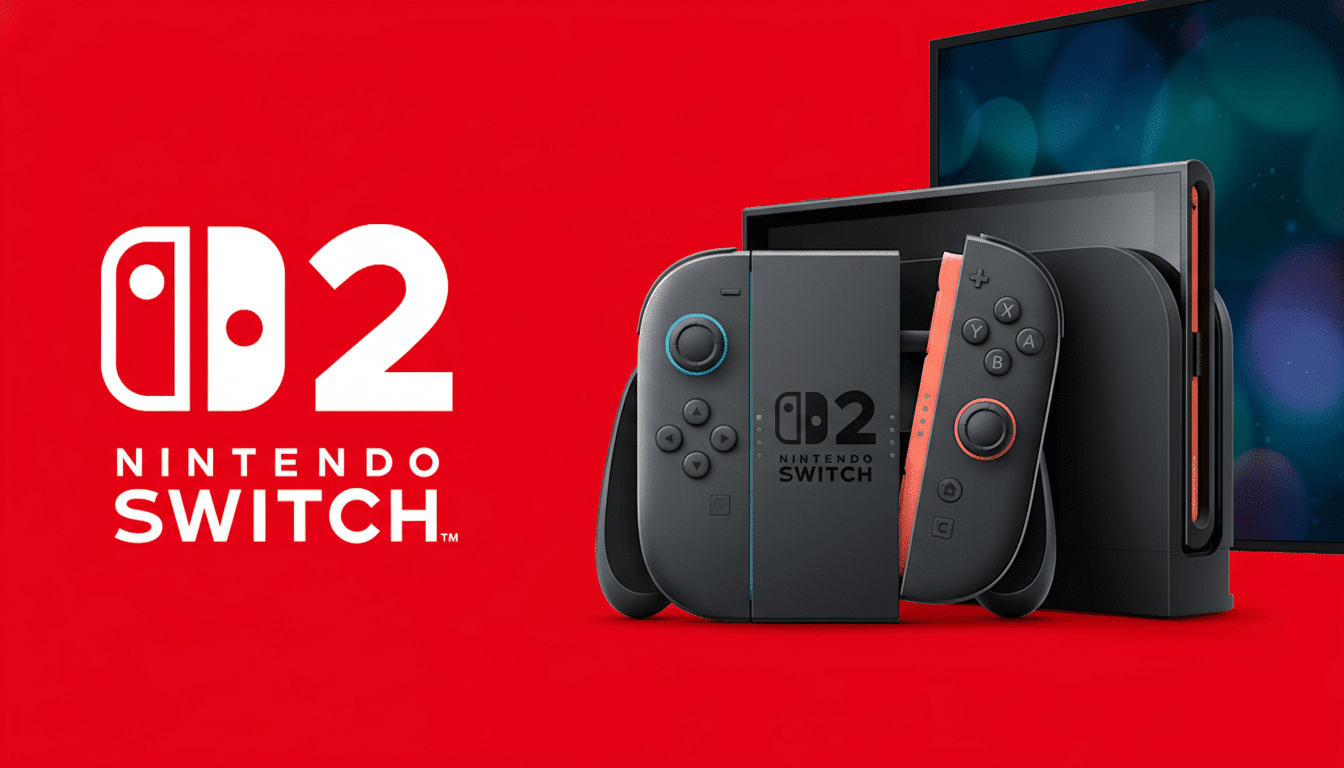
There are pricing crosswinds to watch. Rising memory costs have prompted questions about potential adjustments to the Switch 2’s price. Nintendo president Shuntaro Furukawa told analysts, as reported by Bloomberg, that if component inflation persists into the next fiscal year, it could pressure profitability, leaving the door open to future pricing decisions.
For the original Switch, any continued availability at value tiers could further extend its run. Historically, late-cycle price moves and holiday bundles can add meaningful volume to legacy systems, especially when the library remains compelling.
Chasing PlayStation 2’s Record for Lifetime Console Sales
The final summit is the PlayStation 2, which enjoyed an extraordinarily long lifespan with production stretching well over a decade. While Sony never provided a definitive end-of-life tally, industry consensus places PS2 at 160 million or more, setting a high bar for any challenger.
For Switch to take the all-time crown, it needs a bit more runway. Continued manufacturing, selective price actions, and a pipeline of cross-generation software could close the remaining gap. If Nintendo sustains demand for the original model alongside Switch 2 releases, the margin is narrow enough to keep the race interesting.
Regardless of whether it claims the top spot, the Switch has reshaped expectations for console design and lifecycle management. Its hybrid approach influenced device strategies across the industry, from handheld PC gaming to cloud-first experiences, and demonstrated that a unified platform can unlock scale without annualized hardware churn.
Second place on the all-time list is rarefied air. With 155.37 million units and counting, the Switch has entered a territory few platforms reach, reaffirming Nintendo’s knack for pairing distinctive hardware with software that never stops selling.
