


Thinking about jumping from the original Nintendo Switch to Switch 2? Hold that preorder finger. After testing both systems across docked and handheld play, the takeaway is clear: Switch 2 is a meaningful step forward in visuals, features, and future-proofing—but there are trade-offs that make waiting the smarter move for some players.
The headline gains—sharper 4K-capable output, a bigger 1080p screen, improved controllers, and modern platform features—meet higher costs and shorter battery life. Here’s the side-by-side you need before you spend.
- Switch 2 Pricing and Value Compared With Original
- Design and Controls: Ergonomics and New Joy-Con 2
- Display and Handheld Experience on the Larger 1080p Screen
- Performance and Graphics in Docked and Handheld Play
- Battery Life Reality Check for On-the-Go Sessions
- Storage Capacity and Online Features See Major Updates
- Backward Compatibility and Upgrade Paths for Switch 2
- Exclusives and the Release Roadmap for Switch 2 Era
- Upgrade Verdict: Who Should Buy Now and Who Should Wait
Switch 2 Pricing and Value Compared With Original
Switch 2’s base model lands at a higher price than any prior Nintendo console, with bundles that push it even further. Standard Switch models have crept up as well, and first-party accessories now cost more than their last-gen equivalents. New marquee games also arrive with higher MSRPs than the long-standing baseline.
Component costs are part of the story. Industry trackers like TrendForce have flagged rising memory prices tied to AI-era demand, and that pressure can ripple into console pricing. If you’re price sensitive, last-gen hardware remains the better value right now.
Design and Controls: Ergonomics and New Joy-Con 2
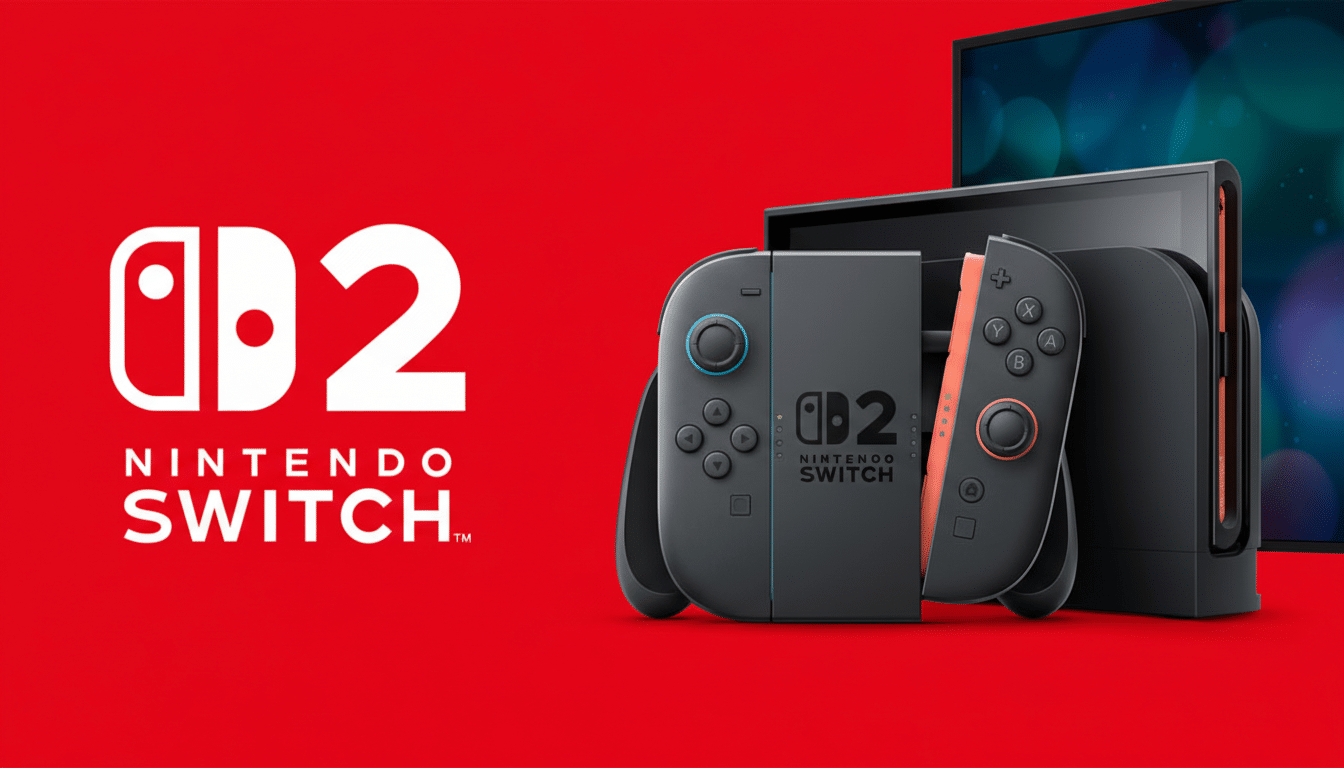
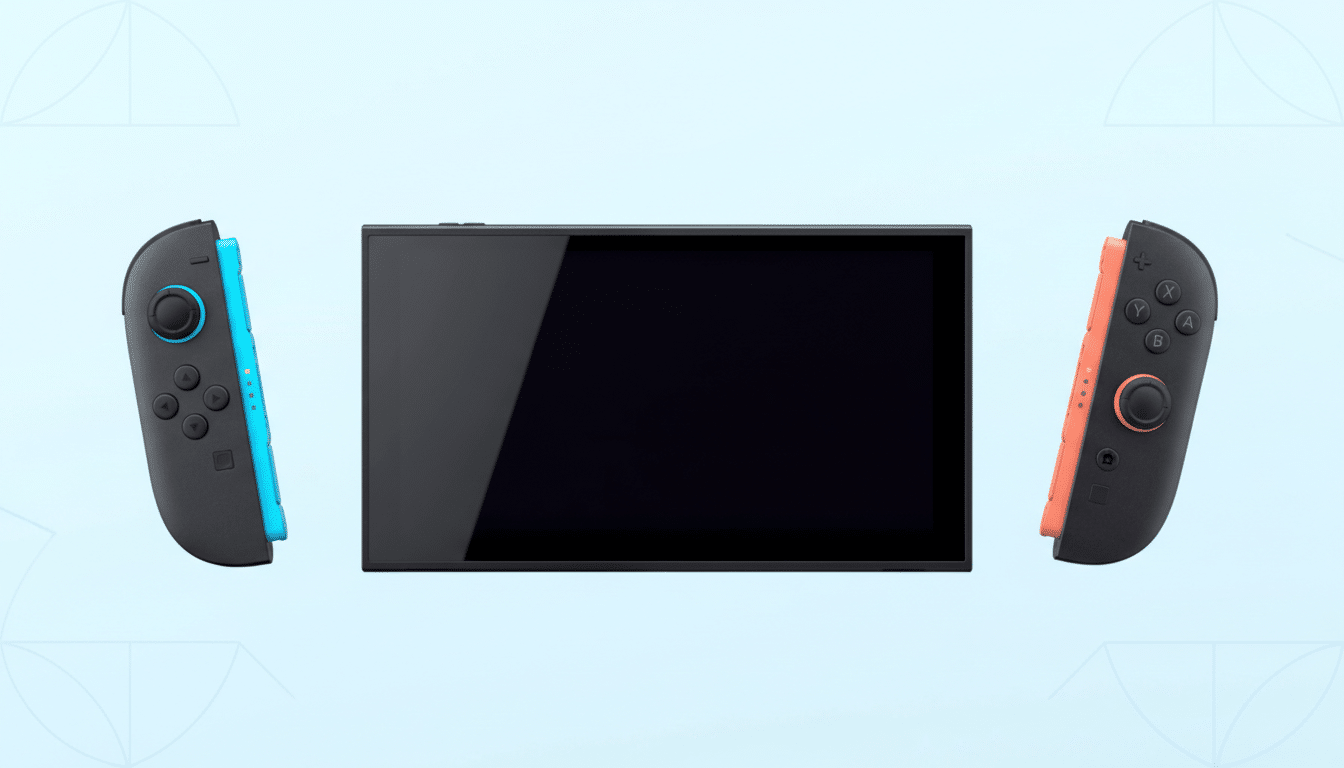
The hybrid DNA hasn’t changed: a tablet that docks to your TV with detachable controllers. Switch 2 is a touch larger and a few ounces heavier, but the ergonomics are familiar. The new Joy-Con 2 sticks are slightly larger and feel more robust, and the rails incorporate optical sensors that let the controllers double as mouse-like pointers.
That opens new control options in shooters and strategy games—think tighter aiming in Fortnite or snappier camera control in action titles. It’s accurate, but extended sessions can tax your wrist if you grip incorrectly. There’s real upside here, just expect a learning curve.
Display and Handheld Experience on the Larger 1080p Screen
Switch 2’s 7.9-inch 1080p LCD doubles the pixel count over the original handheld screen and supports faster refresh. Text is crisper, fine art pops, and motion looks smoother in supported titles. Brightness is improved versus the first Switch’s LCD, which matters on commutes and in daylight.
The OLED model still wins on pure contrast and color saturation. If you adore OLED’s inky blacks and spend most of your time undocked, you’ll notice the difference. Still, the larger, sharper panel on Switch 2 is a clear handheld upgrade overall.
Performance and Graphics in Docked and Handheld Play
Docked, Switch 2 can deliver 4K targets in supported games and higher, steadier frame rates at 1080p. It won’t post those peak numbers in every scenario—complex scenes can still dip—but the uplift over the original Switch is obvious the moment you pan across busy open worlds or fast racers.
If you play on a 4K TV or a high-refresh 1080p monitor, this is the first Nintendo hardware that feels at home in a modern living room. Out of the box, it’s the biggest fidelity jump the platform has seen since launch.
Battery Life Reality Check for On-the-Go Sessions
Here’s the catch: battery life takes a step back from the best first-gen models. Expect a couple of hours in demanding handheld titles and more in lighter fare, but not the marathon sessions OLED owners enjoy. If you travel or play away from outlets, this is the single strongest reason to wait.
Storage Capacity and Online Features See Major Updates
Switch 2 finally acknowledges modern game sizes with 256GB of internal storage, a dramatic leap from the 32GB of the launch Switch and even the 64GB OLED. You can still expand with microSD. Platform features catch up, too: native voice chat (via a new Joy-Con button and built-in mic) replaces the awkward smartphone workaround.
Accessibility is also meaningfully improved. Systemwide text scaling, screen magnification, color filters, and a screen reader bring the console closer to Xbox and PlayStation in inclusive design—a welcome shift long requested by advocacy groups and accessibility reviewers.
Backward Compatibility and Upgrade Paths for Switch 2
Almost all first-gen Switch games run on Switch 2, and many receive patches for better performance. The biggest gains arrive through “Switch 2 Edition” updates that add higher resolutions, faster frame rates, new control schemes, or extra content. Some of these are free, others carry a small upgrade fee, and a few are bundled with premium online tiers.
There’s also a notable perk for classic-game fans: expanded libraries on the newer hardware, including systems that don’t appear on the original Switch’s catalog. If your backlog is deep, backward compatibility softens the upgrade risk; if you chase day-one tech boosts, budget for the paid upgrades.
Exclusives and the Release Roadmap for Switch 2 Era
Nintendo’s cross-gen strategy gives the original Switch ongoing life, with flagship series still playable on older hardware. But early signs point to a growing slate of Switch 2-only titles—major first-party releases and more demanding third-party ports—that won’t come back to the eight-year-old system. Industry watchers at outlets like IGN and Digital Foundry have already noted how newer engines scale better on fresh silicon.
Upgrade Verdict: Who Should Buy Now and Who Should Wait
Upgrade now if you game mostly on a 4K TV, want the cleanest performance in cross-gen releases, or care about native voice chat, larger storage, and improved accessibility. Switch 2 is the strongest Nintendo hybrid yet, and it sets the stage for the next wave of exclusives.
Wait if you play primarily in handheld for long stretches, already own an OLED Switch you love, or are price sensitive. The original models still deliver superb libraries and smart portability, and the battery advantage is real. For many, the best play is to watch the first year of patches, exclusives, and price shifts—then upgrade when the ecosystem makes the decision for you.
