


Nintendo says the recent spike in memory prices is not denting its bottom line for now, signaling that its hardware plans remain on track despite a volatile components market. President Shuntaro Furukawa, speaking in an interview reported by Kyoto Shimbun and summarized via VGC, said RAM costs have “no immediate impact” on earnings, while stressing the company will keep a close eye on the situation.
Nintendo president downplays impact of rising RAM costs
Furukawa characterized the memory market as “very volatile” and reiterated that hardware profitability depends on several levers: component procurement, cost reductions through mass production, exchange rates, and tariffs. In other words, RAM is just one of many inputs Nintendo manages as it scales a platform.
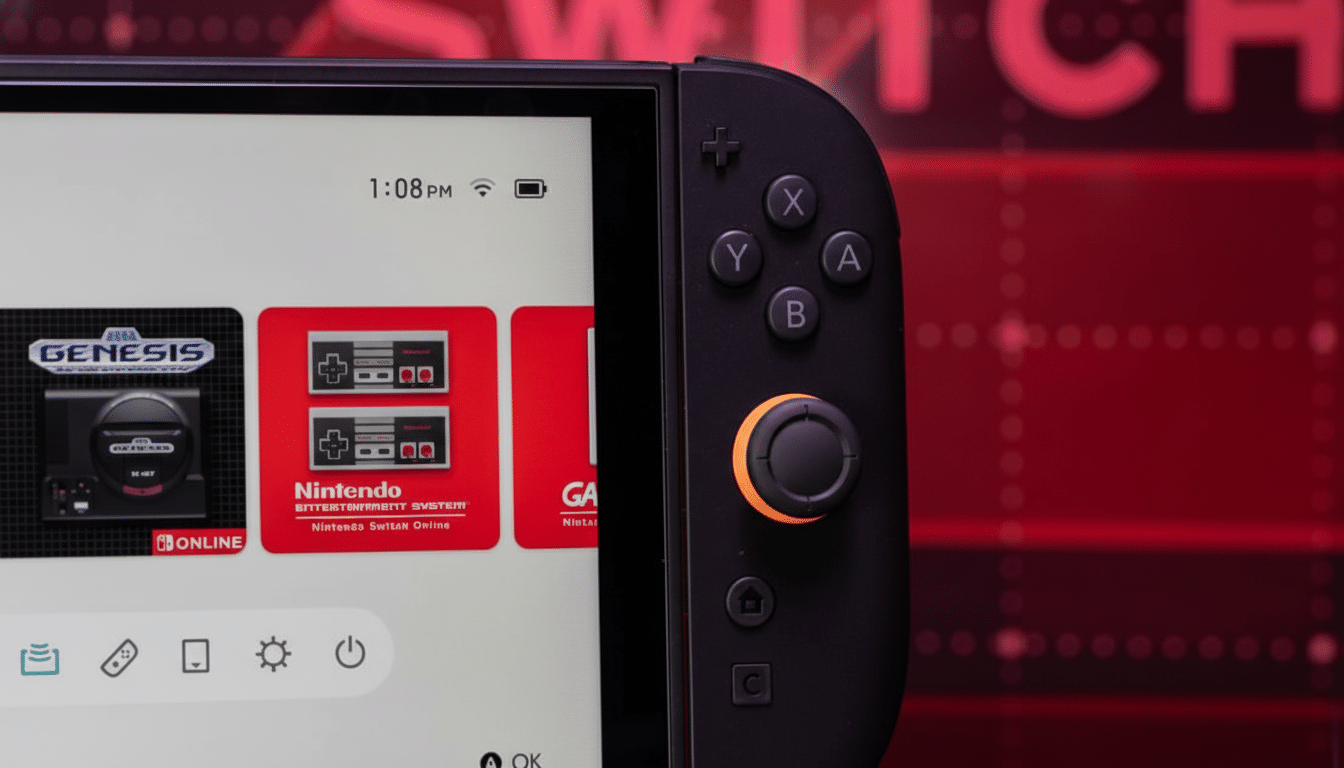
The company sources components against medium to long term plans, which helps cushion short-term price swings. Furukawa would not commit to any retail price changes, calling such scenarios hypothetical, but noted that tariffs are viewed as costs and could be passed through to prices when necessary. The message to investors and buyers alike: pricing won’t shift immediately, but Nintendo intends to retain flexibility if conditions worsen.
Volatile memory market and AI demand reshape DRAM
RAM prices move in cycles. After a prolonged slump tied to excess inventory, contract prices began rebounding as suppliers curtailed output and demand improved. TrendForce reported double-digit quarter-on-quarter gains for several DRAM categories through late 2023 and into early 2024, with PC DRAM contract prices rising roughly 10–20% in some periods as inventories normalized.
The explosion of AI computing has also tightened the supply picture. High Bandwidth Memory (HBM), used in AI accelerators, has absorbed manufacturing capacity at Samsung, SK hynix, and Micron. While HBM is different from the LPDDR and other DRAM types common in consoles and handhelds, the shared manufacturing ecosystem can lift broader DRAM pricing when capacity is scarce.
For consumer hardware makers, the key distinction is between spot price spikes and negotiated contract pricing. Long-term agreements, volume commitments, and second-source strategies can mute the immediate effects of spot market volatility—precisely the insulation Nintendo is pointing to.
How Nintendo cushions component cost swings and FX risk
Nintendo has a track record of weathering component shocks through scale and design discipline. Cost-down revisions, stable configurations, and predictable build plans reduce bill-of-materials risk as a platform matures. As production ramps, per-unit costs typically fall, offsetting component inflation in pockets like memory.
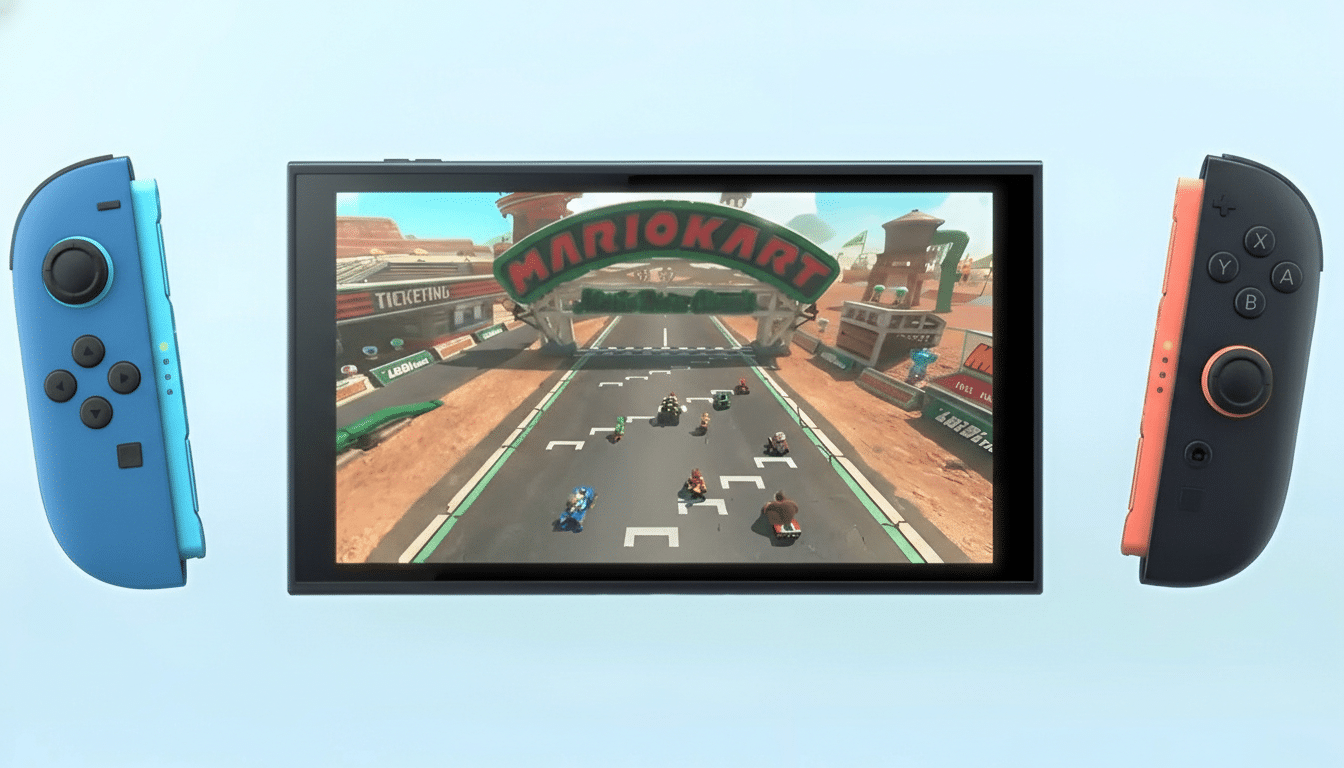
Foreign-exchange dynamics can be just as important. A weaker yen historically boosts the value of overseas sales once converted back to Nintendo’s reporting currency, helping counter higher procurement costs. Layered on top are hedging policies and supplier contracts that smooth out quarter-to-quarter noise.
There’s also the margin mix. Nintendo’s model relies heavily on software and services, which carry higher margins than hardware. Strong game sales and a healthy attach rate often absorb modest hardware cost pressure without forcing price moves.
What buyers and investors should watch amid RAM pressures
Near term, Nintendo’s stance suggests stable guidance: no sudden hardware price increases and no immediate earnings hit from RAM. That implies the company either locked in memory at favorable terms, expects manufacturing efficiencies to balance component inflation, or both.
Longer term, the watch items are clear. If DRAM contract prices stay elevated, if tariffs expand, or if currency shifts become unfavorable, Nintendo could revisit pricing. Rival console makers have adjusted prices mid-cycle, and Nintendo has shown it will consider selective price moves when the economics require it.
For prospective console buyers, the practical takeaway is straightforward: Nintendo is signaling stability today, not a permanent shield against component inflation. For investors, the focus should be on RAM contract trends, supplier capacity expansion plans, and the interplay of yen movements and software momentum—all levers that will determine whether “no immediate impact” remains the case across future quarters.
