


Nexus Mods is committing to native SteamOS support for its Vortex mod manager, bringing first-class compatibility to Steam Deck and the next Steam Machine. The move targets a long-standing pain point for Linux players by removing reliance on compatibility layers and manual workarounds, and it signals a broader push to make modding feel as seamless as playing on a console.
What Native SteamOS Support Means for Vortex Users
Vortex running natively on SteamOS should install, sort, and deploy mods directly within Valve’s Linux environment instead of through Proton or Windows emulation. That matters on handhelds like Steam Deck where users juggle game prefixes, nonstandard file paths, and performance-sensitive overlays. With native integration, Vortex can detect installs, manage load orders, and apply script extenders using SteamOS-friendly paths and permissions—reducing setup time and avoiding file-system quirks.
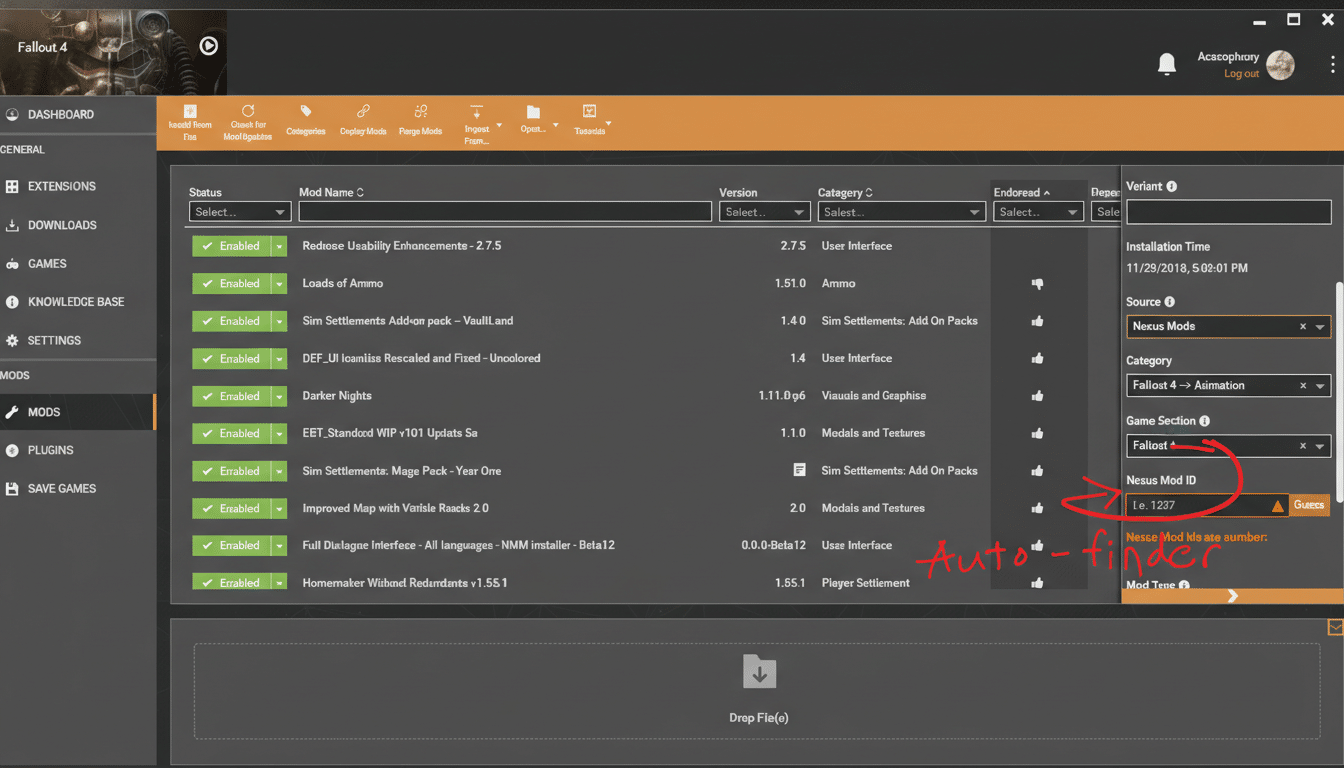
Nexus Mods says support is aimed at “vanilla Steam hardware,” meaning official Steam Deck models and the upcoming Steam Machine. While third-party PCs running SteamOS aren’t a target, the team notes Vortex is open source, making broader Linux packaging and distro support feasible for community contributors.
Why It Matters for Linux Gaming and Steam Deck Owners
Linux gaming has grown meaningfully with Valve’s Proton and the Steam Deck, but tooling remains a bottleneck. Many mod managers and script utilities were built for Windows and assume NTFS paths, registry keys, or Windows-specific runtime hooks. Those assumptions make modding on Linux fiddly—even when the game itself runs flawlessly under Proton.
Valve’s own data historically places Linux at roughly 1–2% of active Steam users, but that small slice is vocal, fast-growing, and heavily engaged with mod-heavy games. Examples like Skyrim, Baldur’s Gate 3, Stardew Valley, and Cyberpunk 2077 demonstrate how mods extend replay value and drive community activity. Native Vortex support should shrink the gap between “it runs” and “it’s truly supported” on Linux, especially on handheld hardware.
Roadmap Highlights Beyond Compatibility
Nexus Mods is centering its roadmap on Vortex after experimenting with other app concepts, emphasizing that over 1.4 million modders use Vortex every month. That scale makes incremental improvements meaningful: the team plans iterative modernization, a cleaner interface, simpler game discovery, and more predictable deployment.
Security is also a focus. The roadmap includes tougher malware and virus scanning for uploads, stronger moderation tooling, and additional checks to deter illegal content. While malicious mod uploads are rare, even a small incident can erode trust; better scanning and moderation are a practical safeguard as the library grows to hundreds of thousands of files across thousands of games.
Scope and the Open Source Angle for Linux Support
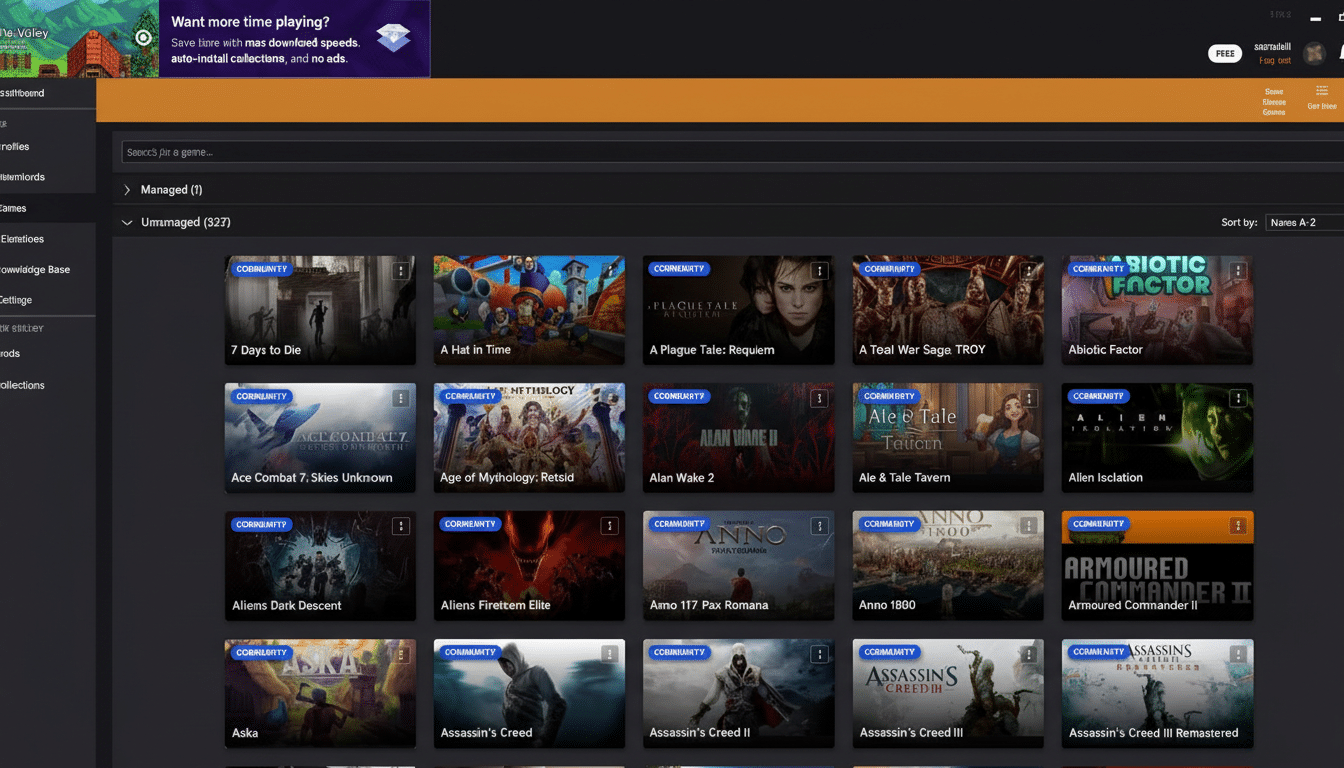
By prioritizing official Steam hardware, Nexus Mods can tune Vortex for SteamOS: standardized locations for game files, better controller-first UX on Deck, and reduced friction in Desktop Mode. At the same time, the open source codebase invites Linux maintainers to extend packaging and compatibility, whether targeting major distributions or refining sandboxed builds.
This hybrid approach—tight first-party support for SteamOS and community-enabled expansion elsewhere—mirrors how Linux gaming matured with Proton and community launchers. If community contributors help translate Vortex features across distros, mod management on Linux PCs could become as straightforward as on Windows.
What Players and Mod Authors Can Expect From This
For players, the promise is fewer workarounds and clearer guidance. Installing a texture overhaul for Skyrim or managing load orders for Baldur’s Gate 3 should require fewer manual tweaks, and Steam Deck owners can expect workflows designed with handheld storage, permissions, and suspend/resume in mind.
For mod authors, a more predictable Linux environment reduces support tickets and platform-specific instructions. Consistent paths and native integration should make it easier to document install steps, test compatibility, and maintain cross-platform parity.
The Bottom Line for SteamOS Modding and Vortex Users
Nexus Mods bringing native SteamOS support to Vortex is a pragmatic win for Linux players and a meaningful nudge toward parity with Windows modding. It aligns with how people actually use the Steam Deck—handheld, frequently offline, and expecting console-like simplicity. Coupled with plans to modernize Vortex and harden security, the initiative reflects a platform that’s not just growing, but professionalizing. If delivered as promised, modding on Steam Deck and the next Steam Machine should feel faster, safer, and a lot less like tinkering.
Referenced: Valve’s Steam Hardware Survey, Nexus Mods public roadmap communications, and widely reported adoption trends for Proton and Steam Deck within the PC gaming community.
