


Nex Computer’s new NexPhone makes a bold promise: one handset that boots into Android, runs Debian Linux, and can reboot into Windows 11, then dock to a monitor for a full desktop experience. It targets users who want a single device to replace phone, laptop, and light-duty desktop, and it does so at a mid-range $549 with shipments slated for Q3 2026.
A Triple-OS Ambition: Android, Debian, and Windows on One Phone
The pitch is straightforward but ambitious. On the go, you use Android 16 as a normal smartphone. Need a Unix-like environment for coding or tools? Launch Debian Linux as an app and access a proper desktop stack with familiar packages from the Debian Project. When Windows software is a must, the phone can reboot into Windows 11, complete with a custom, tile-forward interface that nods to the ergonomics of Windows 10 Mobile.
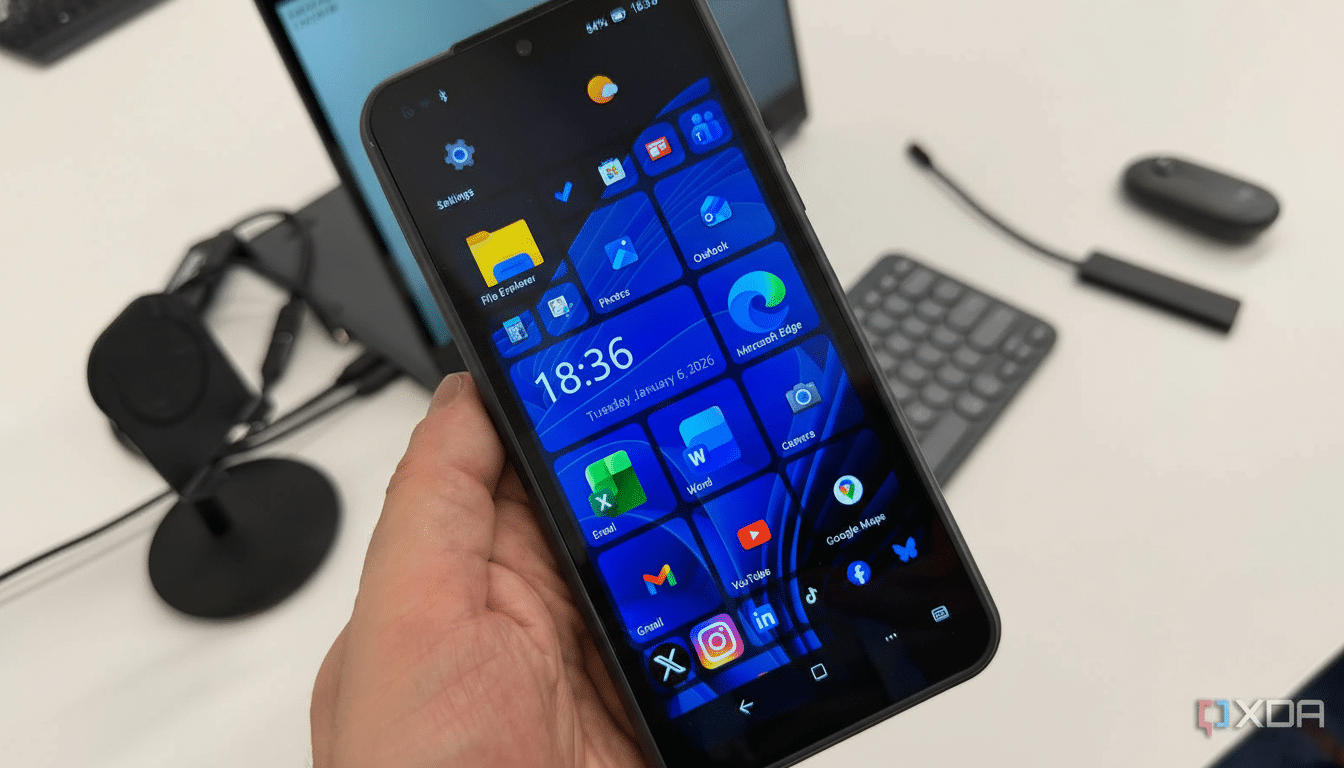
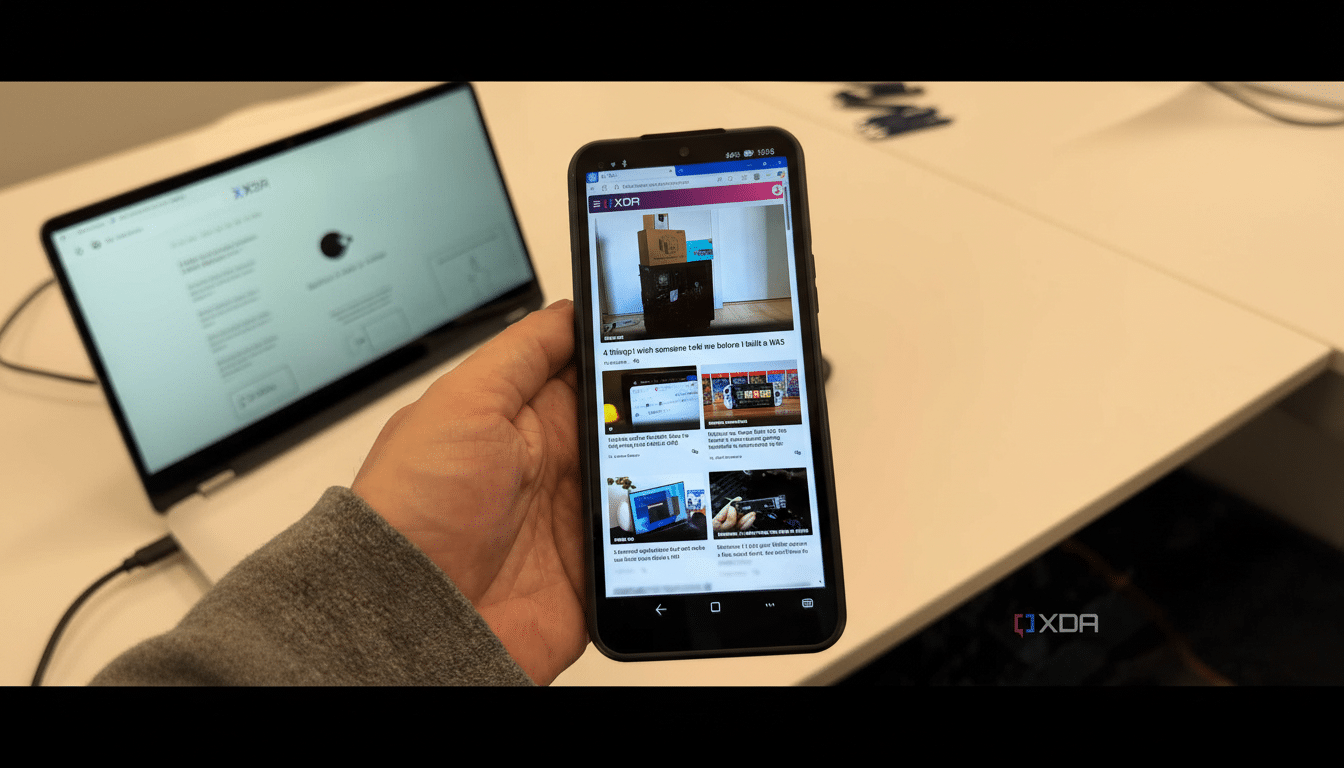
Docked to a display and input devices, you can choose Android’s Desktop Mode, Debian’s full desktop, or Windows 11’s traditional UI. Android and Debian share the same user storage for seamless file access, while Windows resides on a separate partition to keep system boundaries clear. This software architecture is unusual on a phone, but it aligns with how multi-boot PCs have long been managed.
Designed for Desktops, Docks, and Flexibility
Big players have tried parts of this before. Samsung’s DeX, Motorola’s Ready For, and Microsoft’s Link to Windows turn phones into pseudo-desktops or tight PC companions. NexPhone goes further by offering three distinct platforms on one device, collapsing the use-case gaps that often force a carry-on laptop. The company has history in this space, too, with its earlier NexDock laptop shells that converted phones into clamshell workstations.
The potential appeal is clear for frequent travelers, field staff, and tinkerers who straddle mobile apps, Linux utilities, and the Windows ecosystem. With wireless keyboards and USB-C displays now commonplace, the infrastructure to make a phone-as-PC workflow practical is finally mainstream.
Hardware Choices Signal Longevity Over Speed
The NexPhone pairs a 6.58-inch 120Hz LCD (1,080 × 2,403) with 12GB of RAM, 256GB of storage, and rare-in-2026 microSD expansion. Cameras include a 64MP main, 13MP ultrawide, and 10MP selfie. A 5,000mAh battery with wireless charging rounds out a solid spec sheet for the price.
The most intriguing decision is the Qualcomm QCM6490 chipset, an IoT-focused SoC that emphasizes long lifecycle support rather than bleeding-edge performance. Qualcomm positions this family for extended availability and driver maintenance, an advantage when you’re promising Android, Linux, and Windows updates on one device. It’s roughly in the performance class of upper-midrange Snapdragon 7-series silicon, not the latest flagships.
Real-world expectations should be calibrated accordingly. Reviews of other phones built on this platform class, like the Fairphone 5, noted adequate everyday speed but visible lag under heavier loads and gaming. Windows 11 on ARM has improved its x86/x64 app emulation—Microsoft has touted significant gains in recent releases—but CPU and GPU ceilings still matter. Debian ARM64 builds are well maintained, yet complex compiles or container stacks will push thermals on a phone chassis.
Pricing, Shipment Timeline, and What Buyers Actually Get
NexPhone is taking a $199 fully refundable reservation now, with the remaining $350 due before units ship in Q3 2026. At $549 all-in, it undercuts many premium phones while bundling a desktop proposition competitors typically charge for through accessories. Whether that value holds will depend on execution: stable tri-boot support, driver maturity in Windows, and smooth switching between environments.
The long runway to launch is a double-edged sword. It gives Nex time to refine firmware, kernel work, and Windows drivers, but it also means buyers are betting on a roadmap. Multi-OS projects can stumble on certification, graphics drivers, or USB-C display quirks. Clear transparency on update cadence and enterprise features like device encryption and MDM compatibility would go a long way for business adopters.
Who the NexPhone Is Built For and Who Should Skip It
This device makes the most sense for users who constantly jump between ecosystems: developers who want Debian utilities in their pocket, students living on web apps but tied to occasional Windows software, and mobile professionals who prefer a lightweight dock-and-work setup rather than hauling a laptop. It’s less suited to creators pushing GPU-heavy tasks or gamers wanting top-tier frame rates.
If Nex delivers on the promise—reliable Android daily use, a responsive Debian session, and workable Windows 11 performance—it could rekindle the long-running dream of phone-first computing. The ingredients are finally converging: better desktop modes in Android, faster ARM chips, and improved app translation on Windows. Now it’s a question of polish, power, and patience.
