


Worried your electric car’s battery will fade like your smartphone’s? Fresh data suggests the opposite. A large diagnostic study finds modern EV packs retain the bulk of their capacity for many years, while phone batteries routinely slide toward replacement within a few. The reasons come down to chemistry, engineering, and how often each device is cycled.
What The Latest Data Shows On EV Battery Longevity
UK-based diagnostics firm Generational analyzed 8,000 EVs across 36 makes and found average battery health at 95.15%, with many vehicles 8–9 years old still above 85% capacity. Even vehicles exceeding 100,000 miles typically reported 88–95% health, indicating mileage alone is a poor predictor of wear.
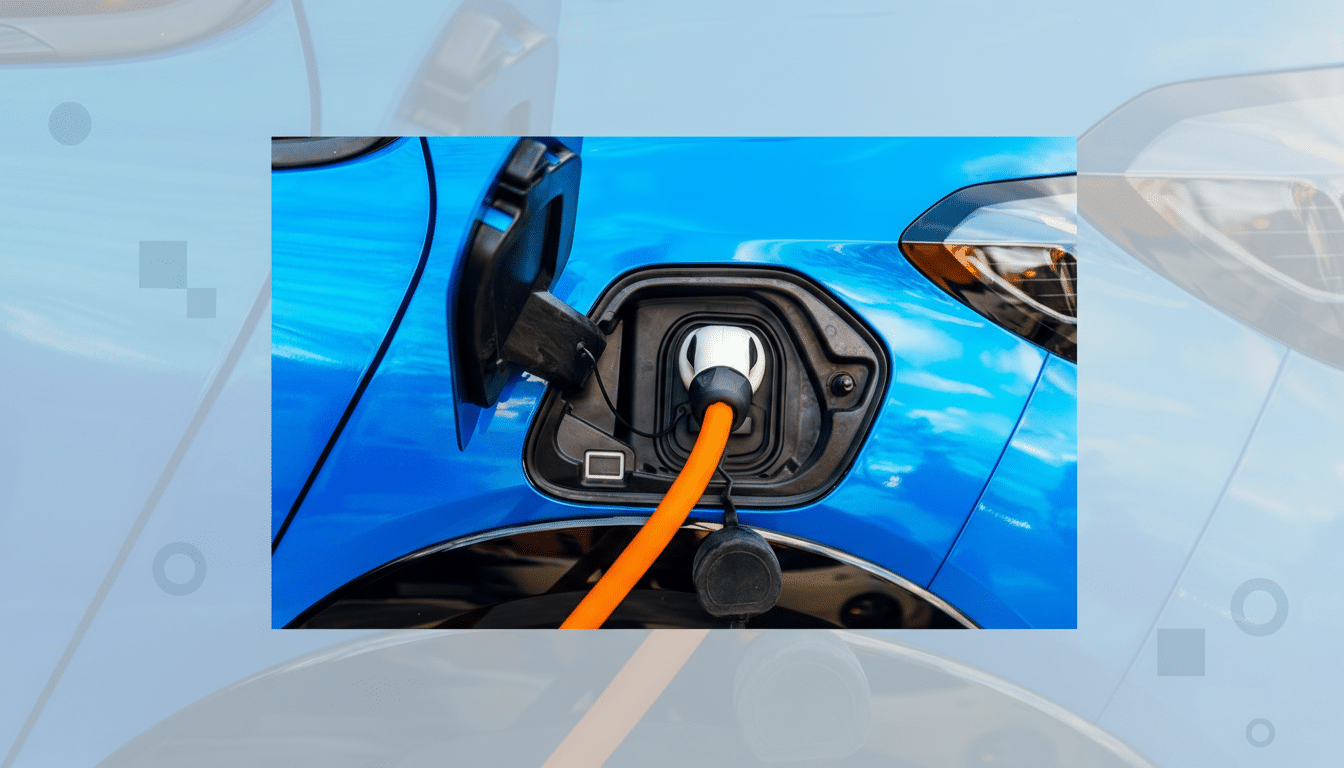
The findings echo earlier research. A Geotab study of thousands of EVs estimated average capacity fade near 2–3% per year, highly dependent on climate and charging habits. Consumer warranties—often 8 years or 100,000 miles, with a 70% capacity floor—now look conservative compared to real-world results.
Why Chemistry And Design Matter For EV Battery Life
Smartphones usually rely on compact, high-energy-density lithium-ion cells optimized for size and speed. They are often a single cell (or a small pair), which concentrates heat and stress. EVs, by contrast, use large packs comprising thousands of cells with chemistries like NMC, NCA, and LiFePO4 (LFP) engineered for longevity and safety.
Cell count and layout matter. Spreading energy across hundreds or thousands of cells lowers the load on each cell, moderates heat, and reduces localized aging. LFP in particular tolerates frequent charging and deeper cycles, with lab and field data often showing 2,000–3,000 full cycles to 80% capacity—well beyond typical consumer-electronics cells.
Thermal Management And Software Guardrails
EVs carry sophisticated liquid cooling and heating to keep cells in their ideal temperature window, a critical factor for longevity. Phones rely on passive dissipation, which means rapid charging on a hot day, gaming, or leaving a device in a car can push cells outside their comfort zone and accelerate degradation.
Battery management systems in EVs also limit stress by controlling charge rates, tapering near high states of charge, and sometimes reserving a buffer so the driver never truly hits 0% or 100%. Phones routinely live at 100% on a nightstand or dip to single digits by afternoon—both behaviors that, over time, chip away at capacity.
Cycles And Real-World Lifespan By The Numbers
Smartphone makers commonly target about 80% capacity after 500 full charge cycles under normal conditions. For many users, that equates to roughly 2–3 years before performance and battery life feel compromised. Heavy use, fast charging, heat, and frequent 0–100% swings can shorten that window.
EVs play a different game. Consider a 250-mile range EV with a conservative 1,000-cycle life to 70% capacity: that’s roughly 250,000 miles of usable life. At 15,000 miles per year, the pack could surpass 15–16 years before hitting that threshold, and many real-world packs—especially LFP—exceed that with gentler fade.
In practical terms, an EV battery’s useful life can be 5–8 times longer than a phone battery in years, and several multiples longer in total energy throughput. The delta grows with LFP chemistries, temperate climates, and moderate fast-charging habits.
Mileage Myths And Fast Charging Reality
The Generational dataset underscores that age, thermal exposure, and charging patterns explain more degradation than odometer readings. High-mileage fleet vehicles with disciplined charging and good thermal control often outperform low-mileage cars that endure frequent DC fast charging and heat.
Fast charging does add stress, particularly at high states of charge, but modern EVs mitigate this with preconditioning, charge tapering, and software limits. Occasional fast charging—especially when starting from a low state of charge—is far less harmful than routinely topping to 100% and letting the pack bake in hot weather.
What This Means For Owners Of Electric Vehicles And Phones
For EV drivers, the takeaway is reassuring: keep the pack in a moderate state-of-charge band for daily driving, use scheduled charging, precondition before fast charging in extreme temperatures, and don’t worry too much about miles. Most packs will comfortably outlast the vehicle’s first ownership cycle.
For phone users, small habits pay off: avoid full-time 100% charging, limit heat, and use slower charging when convenient. But recognize the hardware constraints—tiny, single-cell packs without active cooling simply age faster. Bottom line: thanks to chemistry, cooling, pack architecture, and smarter software, your EV’s battery is built for the long haul, while your phone’s is built for the day.
