


A fresh leak has lifted the curtain on the OnePlus 15T’s imaging hardware, pointing to a dual 50MP rear setup and a 16MP front camera. The details come via well-known Weibo tipster Digital Chat Station, whose track record on Chinese smartphone components is strong, suggesting the 15T could lean hard into high-resolution optics and computational imaging this cycle.
While the camera is the headline, the same source reiterates earlier whispers of a flat 6.3-inch 1.5K panel capable of a 165Hz refresh rate and Qualcomm’s next flagship-class silicon. Those specs form a supportive backdrop for a photography-first pitch: fast viewfinder, powerful ISP, and ample headroom for multi-frame capture.
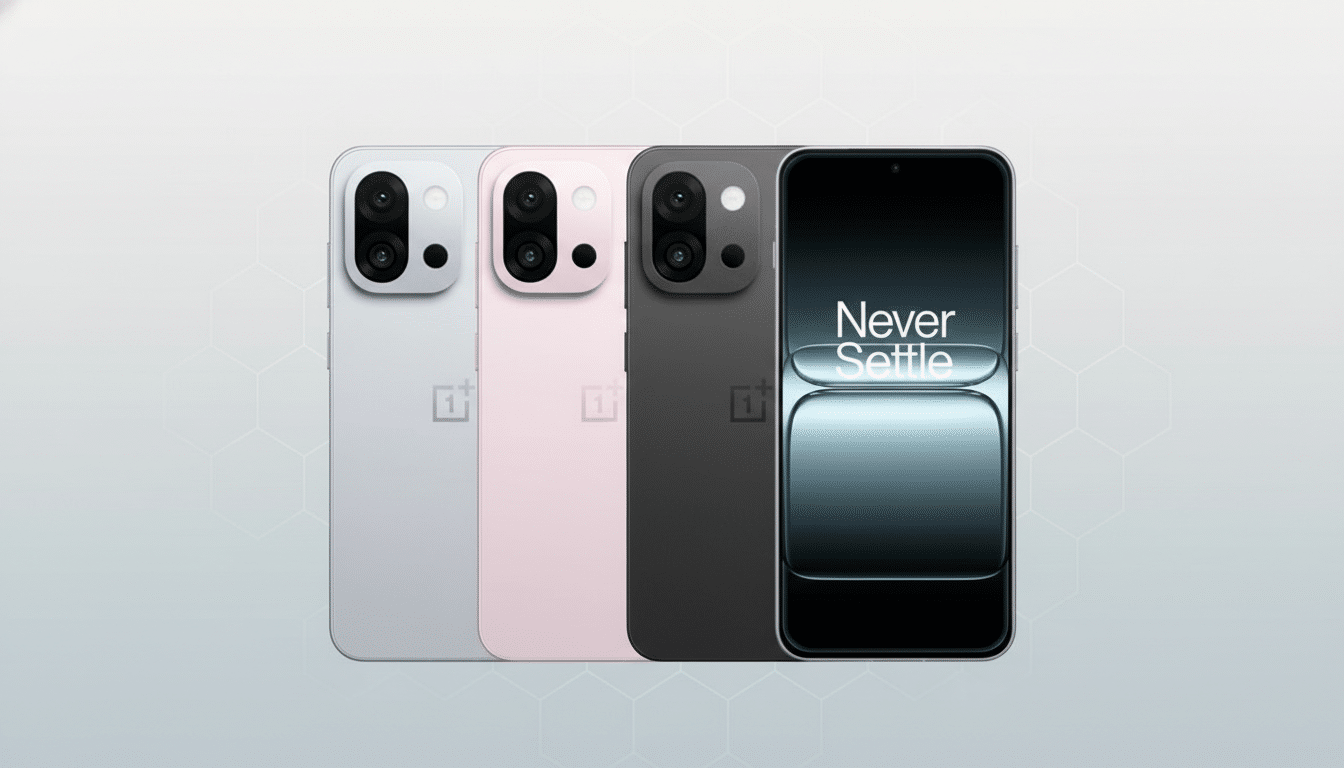
What a dual 50MP camera stack signals for the OnePlus 15T
A 50MP primary sensor has become the sweet spot for modern flagships, largely because 4-in-1 pixel binning produces cleaner 12.5MP shots without sacrificing detail. Expect the 15T’s main camera to default to binned output with optical stabilization and multi-frame HDR—techniques that have matured across the industry to improve low-light performance and motion handling.
The more intriguing piece is the 50MP telephoto. Many rivals use smaller 10–12MP or 48MP zoom sensors; going 50MP hints at higher native detail and more flexibility for portraits and crop-based zoom. If OnePlus opts for a larger sensor with a bright aperture, it could notably improve night portraits and reduce noise—a trend reflected in lab tests from firms like DxOMark, where devices with bigger telephoto sensors typically fare better in dim scenes.
Key unknowns remain: focal length, whether the module is a folded “periscope” (often 5x or longer) or a conventional 2x–3x lens, and the exact sensor model. OnePlus previously used a high-resolution folded telephoto on its top-tier models, so a 50MP zoom could either push reach or prioritize larger pixels. Either direction would represent a meaningful upgrade path for sharper, cleaner zoom shots.
Selfie camera and video outlook for the OnePlus 15T
The front-facing camera is tipped at 16MP—lower in resolution than some recent 32MP selfie modules but not necessarily a step back. With strong face detection, refined skin tone mapping, and effective HDR, a 16MP sensor can still produce crisp selfies, especially if paired with wider apertures and improved portrait segmentation.
On video, expect the rear stack to target stabilized 4K at higher frame rates, with the platform-level support for advanced codecs and potentially 8K capture. The rumored flagship-class chipset should bring a beefier ISP and AI acceleration for de-noising, scene detection, and semantic segmentation—important for balancing highlights and shadows in high-contrast cityscapes or backlit portraits.
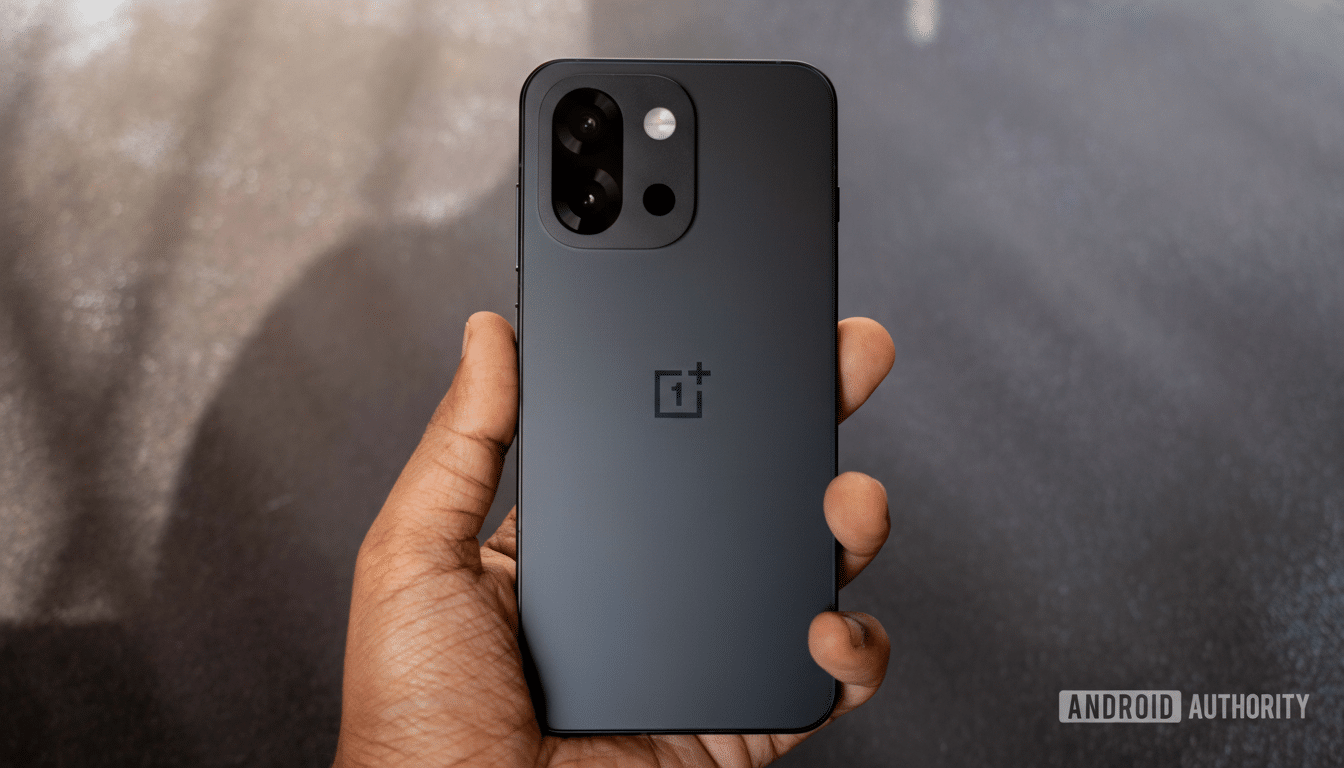
How it compares to today’s flagship phones and rivals
Samsung’s Galaxy S24 Ultra deploys a 50MP 5x telephoto, Google’s recent Pro-tier Pixels lean on a 48MP periscope, and Apple’s top model uses a 12MP tetraprism for 5x reach. If the OnePlus 15T lands with a 50MP zoom and competitive optics, it joins the industry’s sharp end for long-range detail, giving users more latitude to crop without mushy textures.
A fast, flat 165Hz display would also be a quiet win for shooters. While most premium phones are capped at 120Hz, a higher refresh can make the viewfinder feel more immediate and help with panning and tracking subjects. The rumored 1.5K resolution strikes a practical balance between sharpness and battery life, which matters during extended photo and video sessions.
Why software matters as much as glass in the OnePlus 15T
OnePlus has leaned on its color science partnership to refine skin tones and dynamic range in recent generations, and the 15T will likely continue that trajectory. The combination of large, high-resolution sensors and aggressive computational photography—multi-frame fusion, local tone mapping, and learned demosaicing—often defines the gap between a good camera and a great one.
If the chipset rumor holds, expect faster Night mode stacking, smarter noise reduction on telephoto, and improved stabilization that blends optical and electronic methods. For many buyers, these software and ISP upgrades will matter more than absolute megapixel counts, especially in low light and mixed indoor lighting.
What we’re still waiting to learn about the OnePlus 15T
Crucial details are still under wraps: sensor sizes, apertures, whether the telephoto is periscope, exact zoom ratios, and the extent of optical stabilization across lenses. We’re also watching for confirmation of HDR modes, Pro controls, and long-exposure or astrophotography features.
As with any pre-launch leak, plans can shift before final hardware is locked. But if the dual 50MP strategy sticks, the OnePlus 15T is positioning itself as a camera-first upgrade with meaningful zoom capability and a pragmatic selfie spec—anchored by a fast display and a next-gen image pipeline designed to make those pixels count.
