


I spent some time with the new brain-sensing gaming headset on the CES sidelines, and the short version is this: It works well enough to be interesting and jarring in spurts. Constructed in conjunction with HyperX, the over-ear cans conceal dry EEG sensors that convert brain activity into real-time measurements of focus, cognitive workload and reaction speed, then leverage those readings to help you get into fighting shape before a match.
What These Headphones Are Really Measuring
Neurable embeds EEG electrodes into the headband and earcups, then uses AI to process brain signals—separating meaningful thoughts from noise without the use of wet gels, wires or shaving.
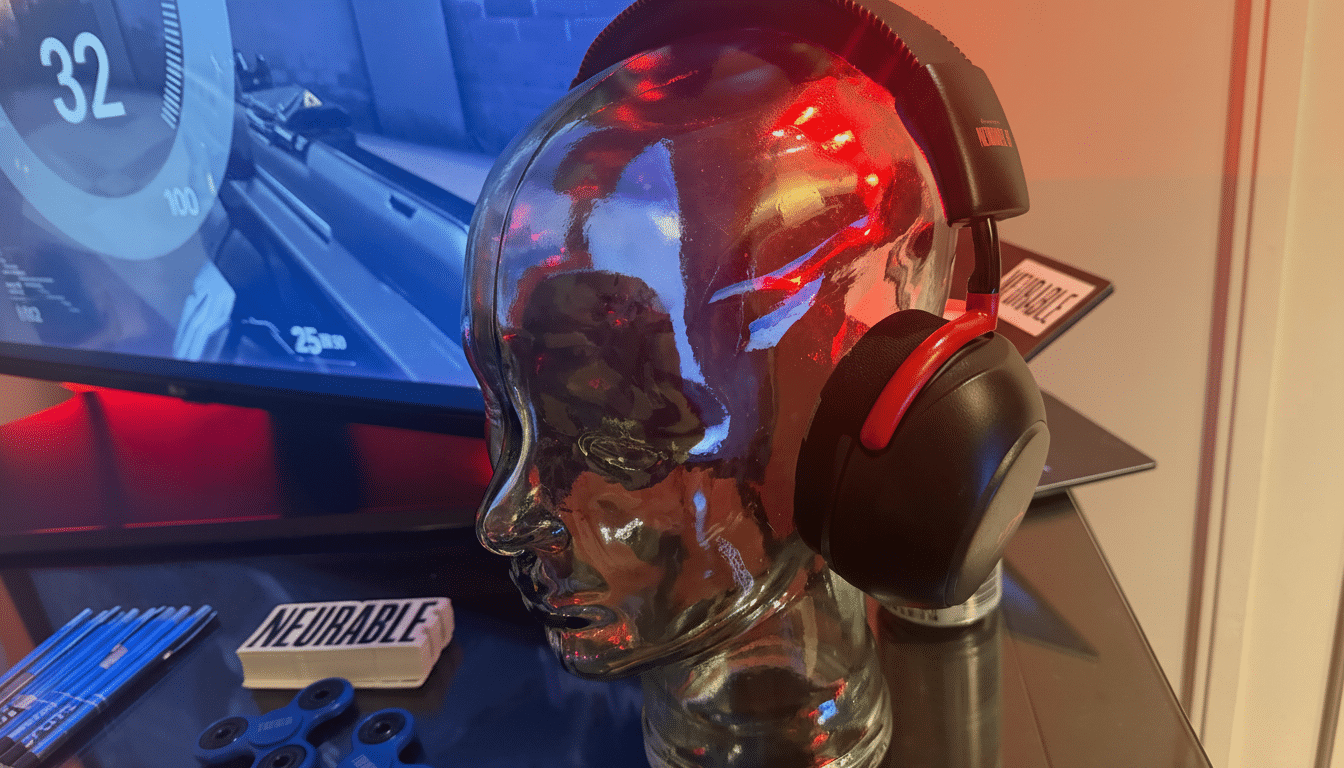
The software presents metrics that a coach or streamer can instantly read: focus from moment to moment, cognitive speed, and an estimate of fatigue—“brain battery,” they call it—that indicates when it’s time to step away.
The company’s tech wasn’t born in gaming. Neurable’s early research has sprung from academia and been tested in defense-adjacent applications, including efforts to gauge the state of the brain after blast exposure, conducted with collaborators at U.S. Department of Defense agencies. The consumer pivot is: How do I take those metrics and make them actionable and frictionless for average players?
Hands-On With Real-Time Brain Metrics Testing
The baseline came first, accompanied by a demo. On a monitor, there was a basic line graph that went up when I tried really hard to focus and down when my mind drifted. No calibration process, no complicated setup—just put it on and look for the line to react. That immediacy is the differentiator: Most EEG systems require fiddly prep work that kills the fun.
Next up was Aim Lab, the Statespace-developed app that is used by many esports teams to measure their aim and reaction time in first-person shooters. My first run was adequate if not impressive, floating around the half-second mark on simple targets. It’s interesting to note that back-to-back trials could lead to a learning effect, which is where the neurofeedback step in Neurable’s workflow comes into play.
PRIME Neurofeedback And Measurable Gains
Neurable’s warm-up recipe, PRIME, makes brain activity into a visual bull’s-eye, which you can “tune” toward in real time. Created by research scientist Alicia Howell-Munson, it’s less a mindfulness power move than a kind of pregame mental calibration. As my gaze settled, on-screen dots came together; when I stiffened, they scattered. My session was little more than a minute and left me alert but not amped—clear more than buzzing.
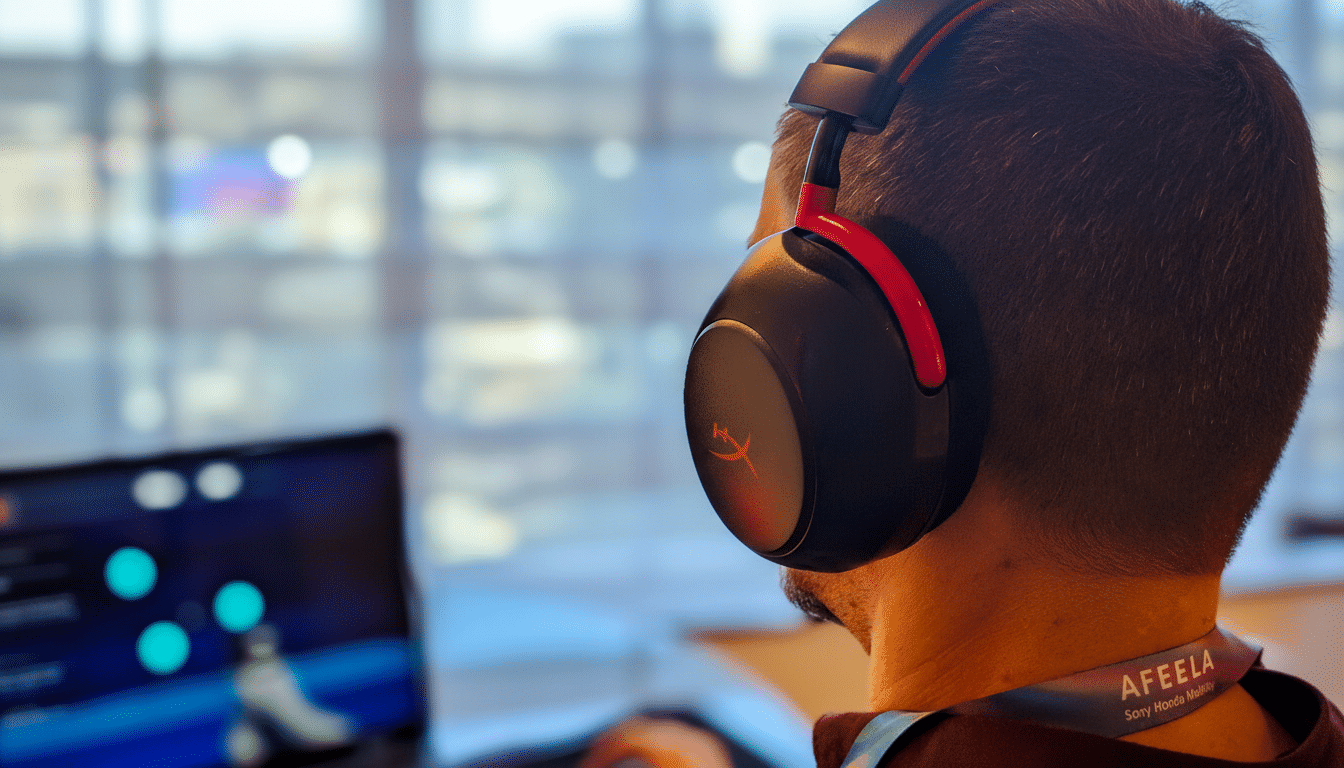
When running the same Aim Lab drill right after, my response time slowed to about the mid-450 milliseconds and my hit count went up. That reflects early testing from Neurable itself, with average reaction time improvements of around 40 ms and accuracy improvements for both everyday gamers and esports pros. I could feel it, just a bit: the game felt slightly slower without me having to slow down—a convenient edge when a matter of milliseconds can determine who wins a duel.
How Milliseconds Can Make Or Break A Competitive Game
In games like Valorant and Counter-Strike, the time to see an enemy after they could potentially spot you frequently exists in that 200–300 ms range (for a pro player). Saving 20 to 40 milliseconds can alter the outcomes, particularly across dozens of engagements. Results may vary by individual—and practice effects are real—but small, persistent neurofeedback sessions that help you reach an optimal state faster have strategic implications for teams going after marginal gains.
Design, Comfort, and Stream-Ready Metrics
The headset looks like a bulky gaming model, but the cushioning serves to disguise the sensors, sidestepping the “lab gear” vibe that has plagued EEG products for years. Fit was good after multiple runs and the clamp force felt deliberate to ensure sensors stayed in place. Neurable’s app could theoretically surface live metrics for stream overlays, or coaches’ dashboards that may make for a new layer of performance telemetry along with mouse speed and APM.
Key Caveats and What This Technology Could Mean
Two reasonable caveats: (A) All cognitive tech is unproven outside of controlled demos, under varying lighting, fatigue, and hardware. Second, brain-adjacent data is sensitive. If this is to scale in esports programs, classrooms or workplaces, clear policies around data governance, opt-in sharing and independent audits will matter.
As provisional as those caveats are, the direction is clear. Neurable has taken tools long bound to clinics and defense research and wrapped them up into a pre-match ritual as routine as checking your DPI. The company plans to bring the headset to market soon in a partnership with HyperX, and if the price is right, along with privacy features like closed-source code—which it promises—brain-sensing gear could take its place alongside heart-rate monitoring and eye-tracking as part of mainstream performance inputs.
The larger story is that consumer brain-computer interfaces are outgrowing the novelty stage. If Neurable’s findings are borne out in the field—across games, queues and skill levels—then neurofeedback could become the most mundane form of performance-enhancing that doesn’t come in a can.
