


Google is introducing another set of Google Home upgrades that significantly improve the way Nest Cameras understand the world in front of them, with sharper recognition of people and much better distinction between dogs and cats — even at a distance. The update also tweaks low-light color rendering and increases AI-generated summaries to ensure that an alert is more helpful than noisy.
What’s New in the World of Detection Accuracy
In a post to its support forums, Google explained some improvements it made to Familiar Face detection, the opt-in feature that helps Nest cameras and displays recognize people you’ve tagged in the app. The company says its new AI models are better at recognizing people across angles and lighting, which should help lower those “Is this Alex?” follow-ups and reduce repetitive sampling.
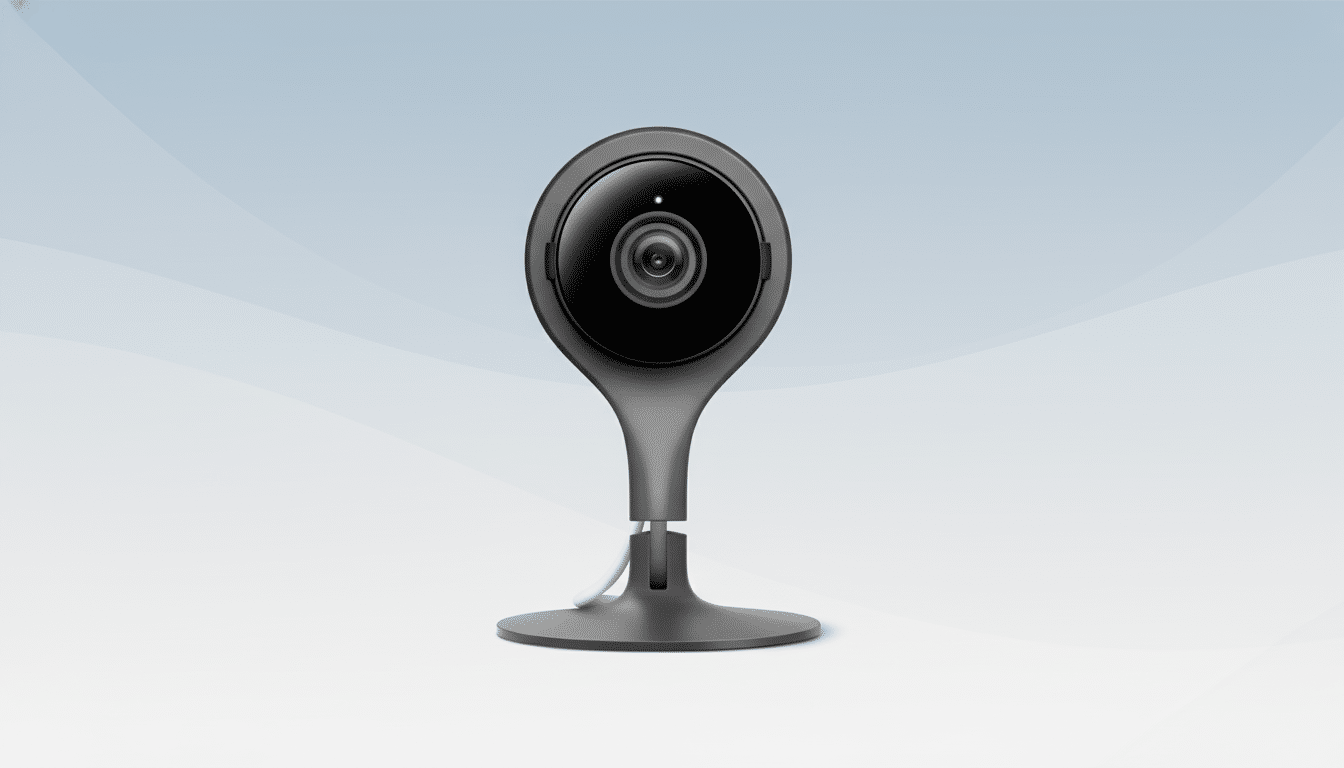
Animal detection also gets smarter. Nest cameras can now more accurately distinguish between cats and dogs at further distances — one of the common trouble spots for motion detection, where a small dog might look like a cat or vice versa after dark. Coupled with better color accuracy in low-light situations, that calico on the patio should no longer resemble a smudgy mess — and late-night alerts are more apt to tell you something about the thing that actually moved.
These changes come as part of both Google Home app updates and server-side model improvements, so most users won’t need to fiddle with any settings. Look for the changes to start showing up initially on newer Nest Cam and Nest Doorbell models (both wired and battery-powered) as that rollout develops.
Smarter Alerts and More Detailed Video Summaries
Google is also improving the way Nest describes events when it can’t identify a face. AI-generated descriptions of unknown people are intended to be more accurate, providing specific details that place the described person in context; for example, noting clothing color, movement direction, or whether someone was carrying an object. That extra information can let you triage notifications more efficiently without scrubbing through video.
Extended recordings are also receiving broader summaries. Instead of presenting a generic line for a five-minute clip, Nest will deliver something much more specific — say, “person walked up and left frame and came back with a bag” — so you can spot patterns at a glance. For those who use event history to monitor deliveries, yard activity, or the flow of kids coming and going, these in-the-know recaps can save time and prevent a traditional review of every second.
Privacy Controls Remain Central to Nest Camera Features
Familiar Face alerts still require an opt-in and a Nest Aware subscription in available markets. Users can also check, rename, or delete face profiles in the Google Home app anytime, and if they don’t want to have their facial data stored at all, there is an option to turn it off. Google stresses that these tools are meant to return control over assigned recognition and retention.
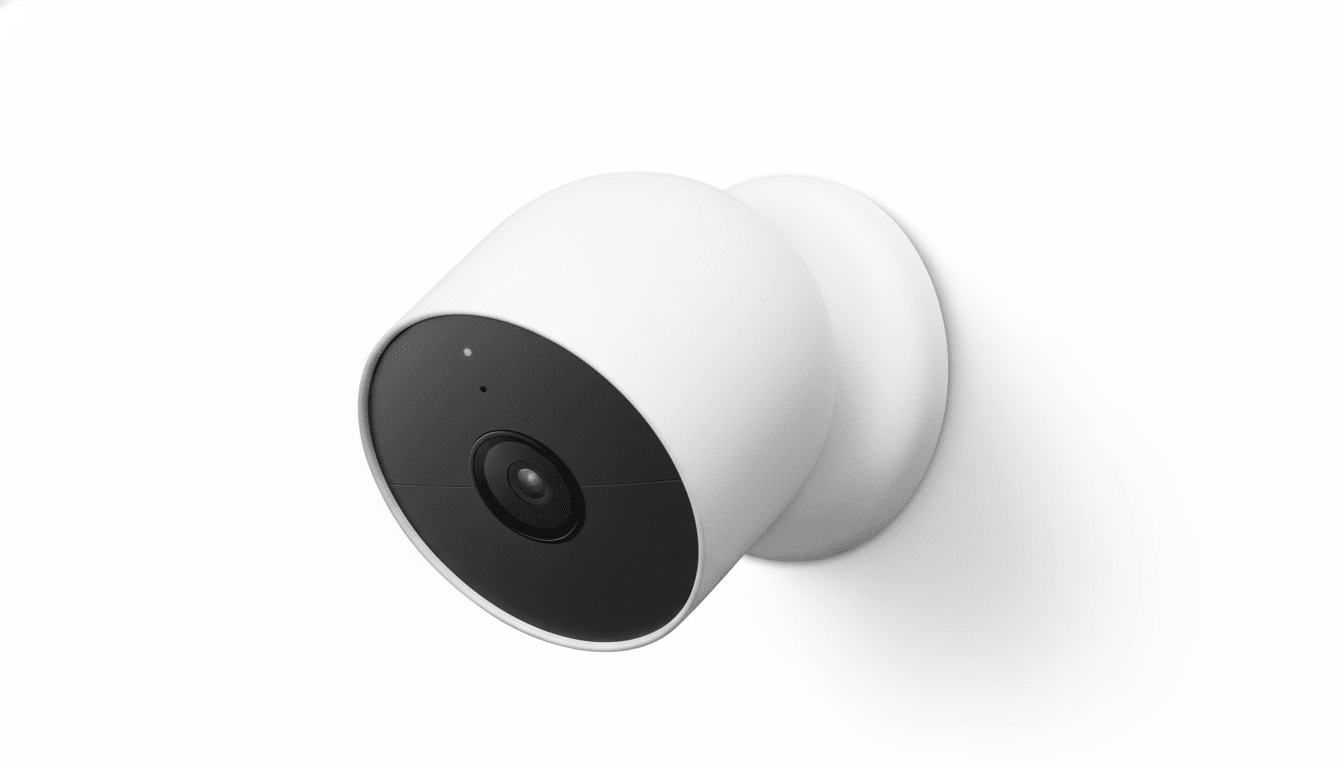
For multiple-camera homes, it’s worth a review to see which devices contribute to Familiar Faces, who can access recognition results in shared homes, and whether alert sensitivity requires readjustment following the update. Properly calibrated alert zones and event types, paired with the new models, often result in fewer erroneous alerts without compromising what is relevant.
Why It Matters for a Smarter, More Reliable Smart Home
Smarter sorting not only de-messes your notifications. Fewer false positives mean less time wasted going through clips and higher confidence that an alert is actionable. It also neatly complements professional monitoring options that depend on consistent signals; Google recently announced a DIY home monitoring arrangement with Abode and AT&T, including cellular backup so Nest cameras and alarms can stay online even if your home internet doesn’t.
Just imagine: a small dog that paces near a street-facing fence, the movements of tree shadows at dusk, and even when a neighbor cuts across a driveway. Previous models may have nagged you with vague “motion” alerts. And in the most recent update showing the correct subject (with improved color and distance handling), we are likely to see a more concise, useful description in the first place.
Rollout Timeline and What Nest Camera Users Can Expect
Google says the changes start rolling out today via an update to the Google Home app and server-side updates, flowing gradually over regions and device types. There shouldn’t be any need for manual firmware updating, but you may see the detection changes in subtle ways over the next few days as the rollout progresses.
If you use a bunch of custom alerts, pause after the upgrade and check over camera zones and event filters.
With stronger Familiar Face alerts and better accuracy in detecting animals, at-home users can reduce generic motion alerts without missing a rich or accurate notification about the actual subject matter — whether it’s people or pets.
