


NASA is preparing to broadcast a high-stakes “wet dress rehearsal” for Artemis II, giving the public a live, unfiltered look at the fueling and final countdown test of the Space Launch System mega rocket. The demonstration is the last big dress rehearsal before the agency commits to launching the first crewed mission of the Artemis era to the moon.
During the livestreamed test, teams will load nearly 700,000 gallons of super‑cold liquid oxygen and liquid hydrogen into the 322‑foot vehicle and run the clock to a deliberate cutoff at T‑29 seconds. That terminal point is engineered to prove the entire countdown and ground systems without actually igniting the engines.
- What the wet dress rehearsal proves for Artemis II
- How to watch the Artemis II rocket test live online
- What to expect during the Artemis II countdown test
- Lessons from Artemis I fueling ahead of Artemis II
- Why this rehearsal matters now for Artemis II timing
- How NASA will judge success after the Artemis II test
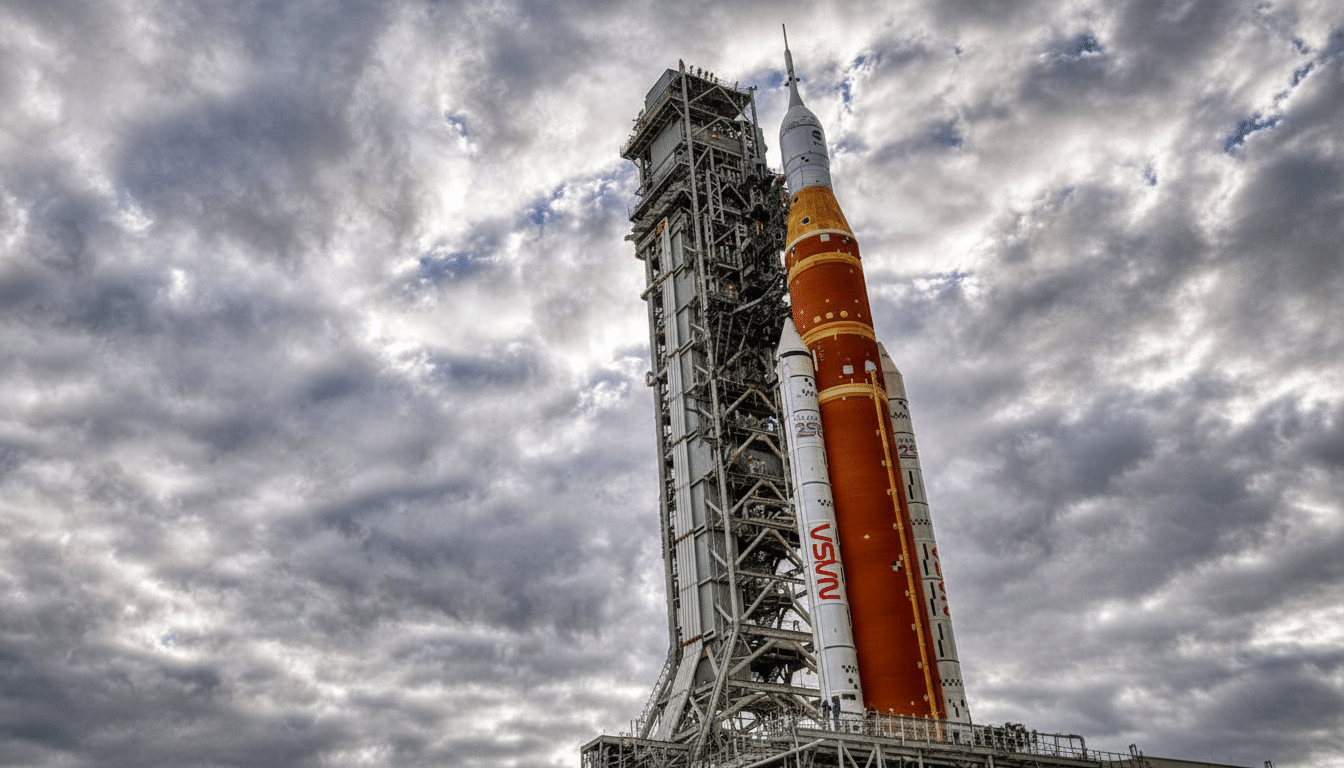
What the wet dress rehearsal proves for Artemis II
A wet dress rehearsal is a full‑scale systems trial: propellant lines are chilled, tanks are filled, valves cycle, venting is monitored, computers sequence commands, and the ground launch sequencer assumes control late in the count. For SLS, that includes the core stage with four RS‑25 engines, twin five‑segment solid rocket boosters, and the upper stage that will propel Orion toward the moon.
The goal is to validate performance at flight‑like conditions. Engineers watch everything from thermals and pressures to automated abort logic. If the data looks clean, NASA can rapidly pivot to setting a firm launch attempt. If anything misbehaves, teams detank, troubleshoot, and apply fixes on the pad or in the Vehicle Assembly Building.
How to watch the Artemis II rocket test live online
NASA plans to air the wet dress rehearsal with live commentary on its primary video outlets, including its official YouTube channel, NASA Television, and the NASA+ streaming service. The agency typically posts the dedicated event feed on its video platforms and shares updates across its X and Facebook channels as activities get underway.
Be aware there are two kinds of views: the always‑on pad camera, which offers a static look at the rocket, and the official fueling broadcast, which includes mission audio, expert narration, and on‑screen milestones. For the full play‑by‑play, tune to the latter.
What to expect during the Artemis II countdown test
The day begins with “chilldown,” sending small amounts of cryogenic propellant through lines to avoid thermal shock. Teams proceed to slow fill, fast fill, and topping for both liquid oxygen and liquid hydrogen on the core stage and upper stage. Expect visible venting plumes and periodic built‑in holds as software checks hardware health.
In the final minutes, control hands to the automated sequencer, simulating engine conditioning and final verification. The test intentionally stops at T‑29 seconds, before booster and engine ignition. After cutoff, controllers will safing the vehicle and begin detanking—another critical part of the drill.
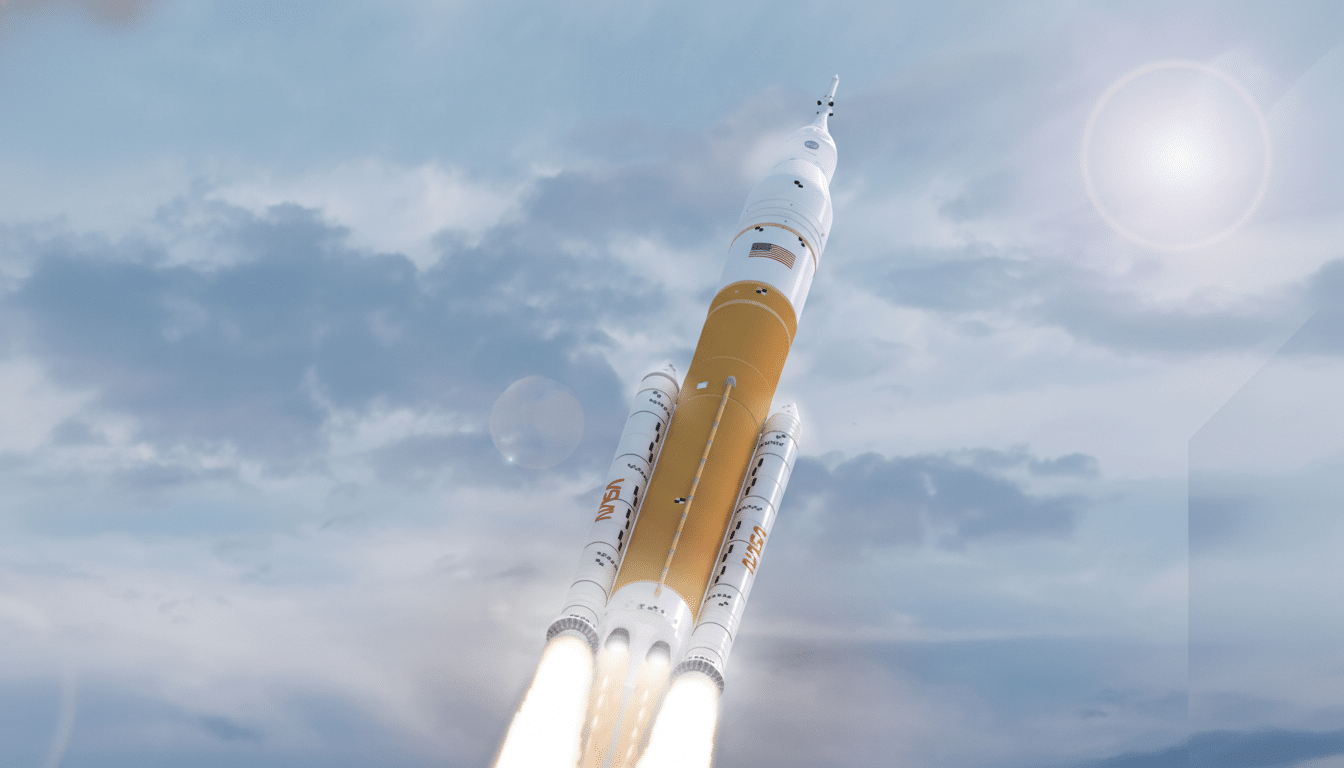
Lessons from Artemis I fueling ahead of Artemis II
Artemis I’s path to launch showed how unforgiving cryogenic operations can be. Hydrogen quick‑disconnect leaks, oxygen temperature constraints, and a stubborn vent valve forced multiple rehearsal attempts before flight. In response, NASA refined loading procedures, adjusted fill rates, upgraded umbilical seals and ground connections, and requalified valves with real cryogenic propellants.
Launch officials have emphasized that those modifications—and the team’s experience—are expected to reduce risk this time. Still, liquid hydrogen is notoriously elusive, so engineers will be watching leak detectors and temperature sensors with particular focus as tanks reach 100% levels and transition to replenish mode.
Why this rehearsal matters now for Artemis II timing
The wet dress rehearsal is the gating item for setting the Artemis II launch date. The schedule is constrained by Earth‑Moon geometry, splashdown daylight rules, and recovery operations, producing narrow windows. A clean test keeps near‑term opportunities in play; a scrub or anomaly could push work into a later window.
Artemis II will send NASA astronauts Reid Wiseman, Victor Glover, and Christina Koch, along with Canadian Space Agency astronaut Jeremy Hansen, on a roughly 10‑day lunar flyby to verify life‑support, navigation, and deep‑space operations before a surface landing mission. The rocket beneath them—SLS Block 1—produces about 8.8 million pounds of thrust at liftoff, the most powerful operational launch vehicle in the world.
How NASA will judge success after the Artemis II test
Success is defined by predictable temperatures and pressures, clean leak margins, stable replenish cycles, and flawless automation through terminal count. Even minor hiccups can be valuable if they’re well understood and easily fixed. Look for NASA’s post‑test briefing to outline the data review timeline and any follow‑on work before launch.
For viewers, the livestream offers a rare, real‑time look at the choreography behind a moon mission. It’s not just a tanking test—it’s a dress rehearsal for history.
