


Apple’s iPhone just received an unlikely new destination: space. NASA has cleared astronauts to bring smartphones aboard upcoming missions, beginning with SpaceX Crew-12 to the International Space Station and the Artemis II lunar flyby, marking the first time iPhones will be officially permitted as crew-carried devices alongside traditional flight hardware.
Agency officials framed the move as a practical and human-centered decision, enabling crews to capture personal moments for families and share candid imagery with the public without relying solely on bulkier, mission-issued cameras. NASA did not specify which iPhone models are approved, underscoring that final selections must pass standard safety and compatibility reviews before launch.
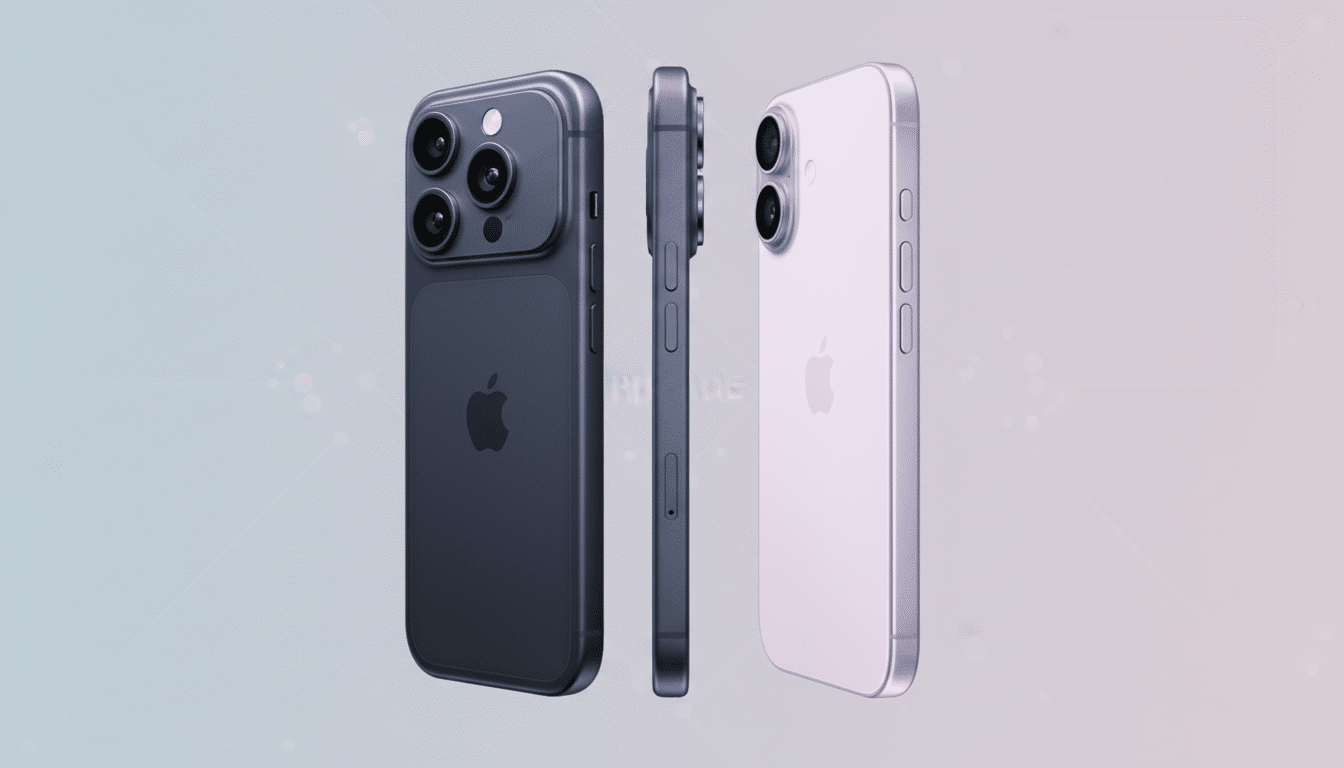
Why NASA is allowing iPhones on ISS and lunar flights
Consumer devices have matured to the point where their imaging capabilities rival dedicated cameras for many tasks. Recent iPhones feature high-resolution sensors, advanced computational photography, and professional video formats that can deliver broadcast-quality footage with minimal setup. For crews with limited off-duty time, the best camera is the one already in a pocket or stowed in a soft pouch.
There’s also a strong outreach rationale. NASA’s social channels reach tens of millions, and spontaneous, first-person content consistently drives engagement. Astronaut-shot phone clips from inside a Crew Dragon cabin or Orion spacecraft could translate complex missions into relatable human stories—something the agency views as critical as it prepares to return astronauts to the vicinity of the Moon.
What astronauts can and cannot do with phones in spacecraft
These phones will be used inside pressurized spacecraft and station modules, not during spacewalks. Cellular service doesn’t exist in orbit or cislunar space, so devices will operate offline or on internal networks as allowed. Crews can record stills and video, log notes, and use preloaded tools; any content destined for Earth will be transferred to mission systems and downlinked through established communication links, such as TDRS for low Earth orbit or the Deep Space Network for lunar distances.
Radiation and thermal swings remain real considerations. Consumer electronics can experience single-event upsets from energetic particles, and cabin lighting plus Sun angles can challenge exposure. That said, spacecraft offer substantial shielding compared to the external environment, and short capture sessions are well within typical device operating envelopes. NASA already manages similar risks with tablets that have been used on the ISS for years as procedure viewers and inventory tools.
Smartphones will complement, not replace, pro mission cameras
iPhones won’t displace mission-grade cameras. NASA has long relied on professional systems—historically Hasselblads during Apollo and, more recently, Nikon bodies and lenses on the ISS—to document engineering tasks, scientific experiments, and Earth observations. Those platforms offer interchangeable optics, ruggedized accessories, and precise manual control that remain essential for many assignments.
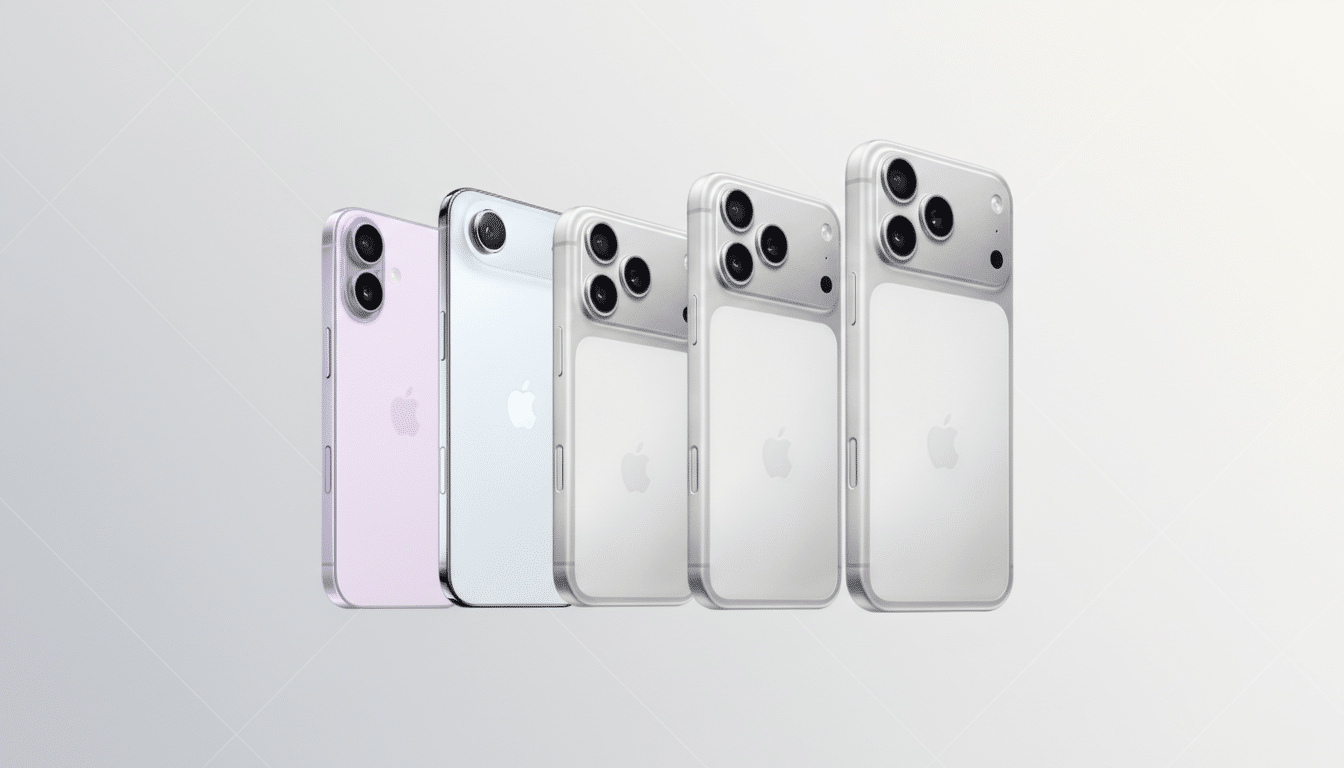
Instead, smartphones provide speed and intimacy. A quick portrait as a spacecraft rolls to night, a handheld clip of a crewmate floating past an experiment rack, or a time-lapse through a window during orbital sunrise can be captured in seconds. That blend of immediacy and high quality is the value proposition—and it reduces friction for busy crews managing tightly scripted timelines.
Safety and certification requirements still govern phones
Even as “personal items,” phones are subject to NASA’s stringent safety regime. Before flying, they must meet requirements for flammability, off-gassing, battery integrity, and electromagnetic compatibility—the same broad categories applied to other crew-carried equipment. Packaging, stowage location, and charging practices are reviewed to ensure no interference with avionics, life support, or emergency procedures.
There’s precedent. NASA has previously flown iPads for checklists and crew support, and the agency has experimented with smartphones in space for more than a decade, including PhoneSat microsatellites that used off-the-shelf Android handsets as avionics and an iPhone-based experiment that flew on the final Space Shuttle mission. The new clearance extends that lineage from experiments and tools to everyday documentation.
Artemis II and SpaceX Crew-12 will serve as early test beds
SpaceX Crew-12 provides a controlled environment to validate workflows on the ISS, where robust infrastructure and established routines can support quick iterations. Artemis II raises the bar: photography from a crewed Orion flying beyond low Earth orbit will be scrutinized worldwide. NASA will likely use both missions to refine best practices for exposure settings through spacecraft windows, file management, and efficient downlink strategies.
For Apple, the prospect that images from orbit or a lunar flyby carry a “Shot on iPhone” provenance is an undeniable brand moment. For NASA, the upside is broader: more authentic storytelling, higher-frequency updates, and a new layer of humanity stitched into the historic return of crews to deep space. If the early results match expectations, smartphones could become as routine in spacecraft as they are on Earth—just with a far better view.
