


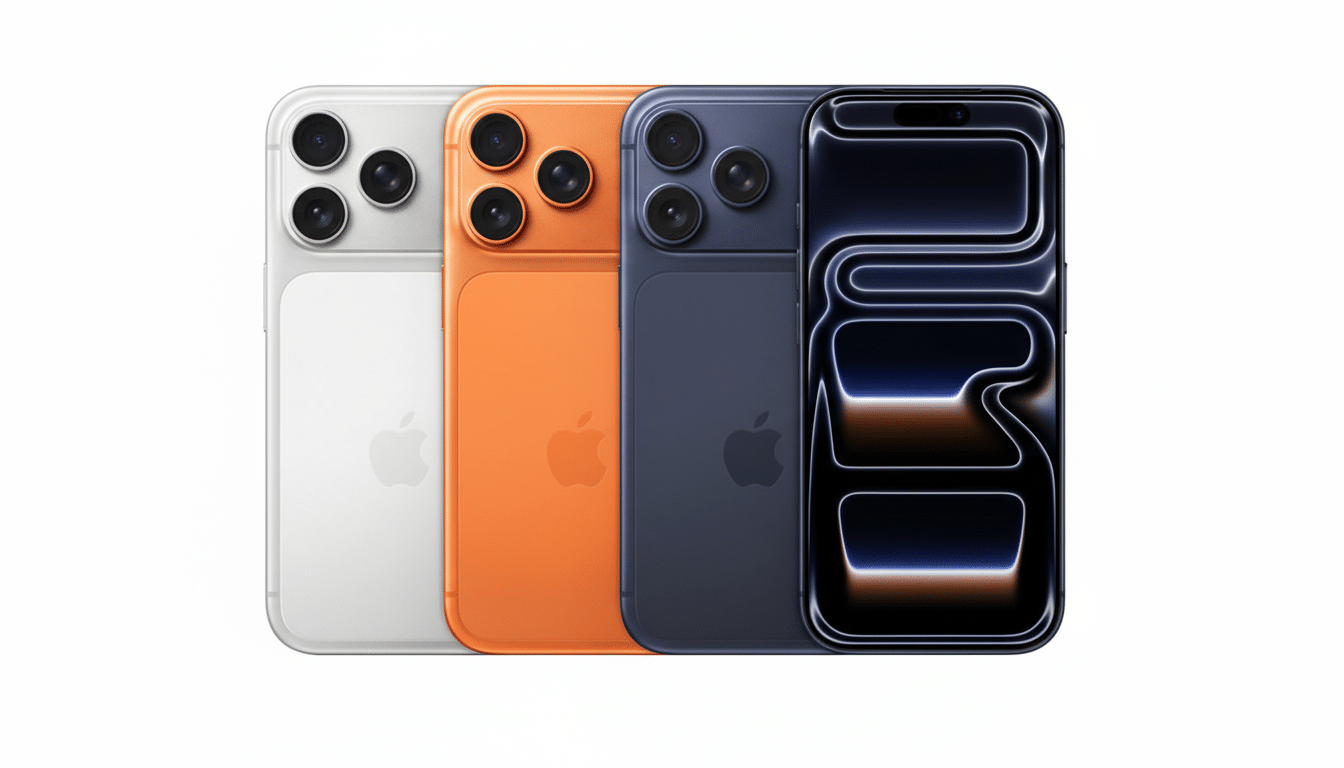
NASA is loosening long-standing restrictions on personal electronics, clearing modern iPhones for astronaut use on missions. The move opens the door for crews to capture day-to-day life and spontaneous science from orbit and beyond, using cameras and sensors already proven on Earth and adapted for the rigors of spaceflight.
For decades, astronauts have relied on flight-certified cameras—think Hasselblads in Apollo and professional Nikon DSLRs on the International Space Station—while consumer phones stayed grounded due to safety, interference, and certification hurdles. Smartphones have since matured into compact imaging and computing platforms, making them attractive for documentation, crew operations, and public outreach.
Why NASA Is Changing Course on Astronaut Smartphone Use
The practical case is simple: capability per gram. Recent iPhones offer 48MP sensors, multi-lens optical ranges, 10-bit HDR, advanced stabilization, and ProRes video up to 4K60—all in a pocketable device. Computational photography can pull detail from dim scenes, useful for low-light cabin work, Earth observations through the Cupola windows, or quick anomaly captures during maintenance.
There’s also a mission-communications dividend. Astronaut-shared images consistently draw some of NASA’s largest social engagement, helping sustain public interest and STEM pipelines. A phone that’s already in hand shortens the path from “I just saw this” to an image or video that can be cleared and downlinked, without tying up a dedicated camera kit or crew time swapping lenses.
Safety and Certification Come First for Space iPhones
Even consumer hardware must pass rigorous gates before flying. NASA typically evaluates electromagnetic compatibility to MIL-STD-461 limits so devices won’t interfere with life-support or avionics; screens and casings must meet flammability criteria in NASA-STD-6001; and materials are screened for low outgassing per ASTM E595 to protect cabin air and optics. Lithium-ion batteries face abuse and containment tests to mitigate thermal-runaway risk.
Expect configuration controls, too. Radios can be disabled or set to airplane mode, with the device tied to the station’s internal, firewalled Wi-Fi for data transfer. Mobile device management profiles can lock settings, restrict apps, and enforce encryption. Physical tethers, shock-rated cases, and lens hoods help prevent floating debris, impacts, or stray reflections that could distract crews or sensors.
On the back end, imagery would route through NASA’s existing pipelines—ISS photos typically move over the onboard OpsLAN, through Ku-band via TDRS, then to ground centers for processing and public affairs review. For deep-space sorties, Orion’s S-band/Ka-band links can handle prioritized media alongside telemetry.
What Astronauts Will Use iPhones for Aboard Missions
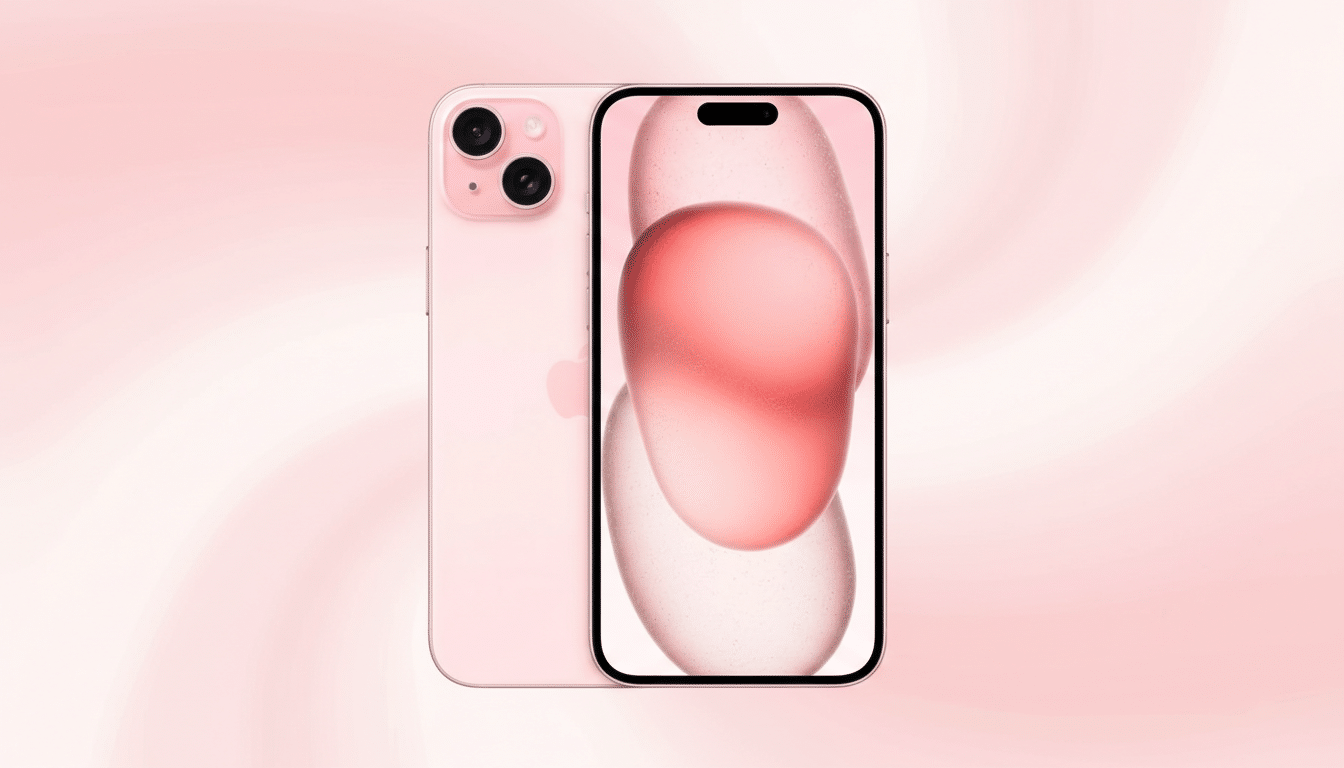
Beyond candid snapshots, phones are versatile work tools. Crews can log “as-built” photos during maintenance, scan barcodes for inventory, record voice notes in glove-friendly workflows, and annotate images for ground teams. On Pro models, LiDAR enables quick cabin measurements or alignment checks, while inertial sensors support vibration or motion logging for microgravity experiments.
For science and storytelling, time-lapses of auroras, thunderstorms, and noctilucent clouds can run unattended, while Night mode and computational stacking help in low-illumination scenes. ProRes and Log video preserve dynamic range for editing on the ground, and spatial video could document training and crew activities for immersive outreach once processed by mission comms teams.
Precedents for Smartphones Used by Astronauts in Space
This isn’t the first time a smartphone has crossed the Kármán line. An iPhone 4 flew on Shuttle mission STS-135 as part of a sensor experiment, using its accelerometer and gyroscope to characterize motion in microgravity. NASA Ames later demonstrated “PhoneSat” CubeSats, which used off-the-shelf smartphones as avionics to downlink images and telemetry. On the ISS, augmented-reality headsets like Microsoft HoloLens have already shown how commercial tech can streamline complex procedures via remote expert guidance.
What to Watch Next as NASA Rolls Out Smartphone Use
Key details will shape how fast phones become standard kit: which iPhone models clear testing, what software image and app list are frozen for flight, how radios are configured, and what data-handling rules govern personal photos versus mission documentation. Training will cover optical best practices through station windows, glare control, and metadata hygiene so ground teams can catalog images efficiently.
Early rollouts are likely to target ISS expedition crews and rehearsal phases for upcoming lunar missions, allowing NASA to collect safety, usability, and crew-time data before expanding usage. If performance holds in orbit—stable thermals, clean EMI behavior, and clear operational value—expect smartphones to join the checklist alongside the traditional DSLR, giving astronauts a new, low-friction way to capture spaceflight as it happens.
