


Narwal, you see, is pushing robot cleaners farther than the dust bunnies and into home awareness — which includes AI-powered features to observe pets, flag misplaced toys and even identify jewelry so the machine steers around it rather than swallowing it.
Launched alongside its new flagship Flow 2 at CES, the system combines computer vision with cloud-supported recognition to endow the vacuum cleaner with a sense of what it’s looking at — not just where it’s going.
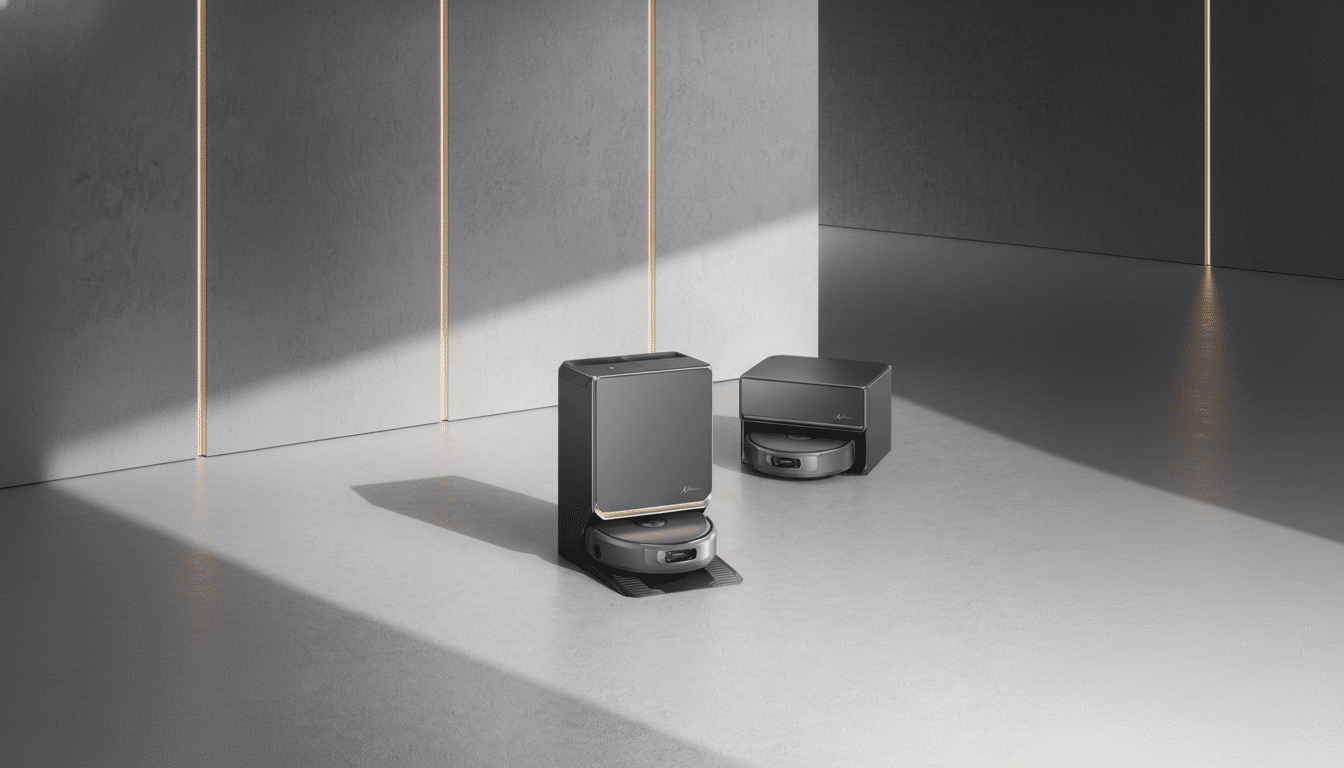
Computer vision on the carpet: how Flow 2 maps rooms and objects
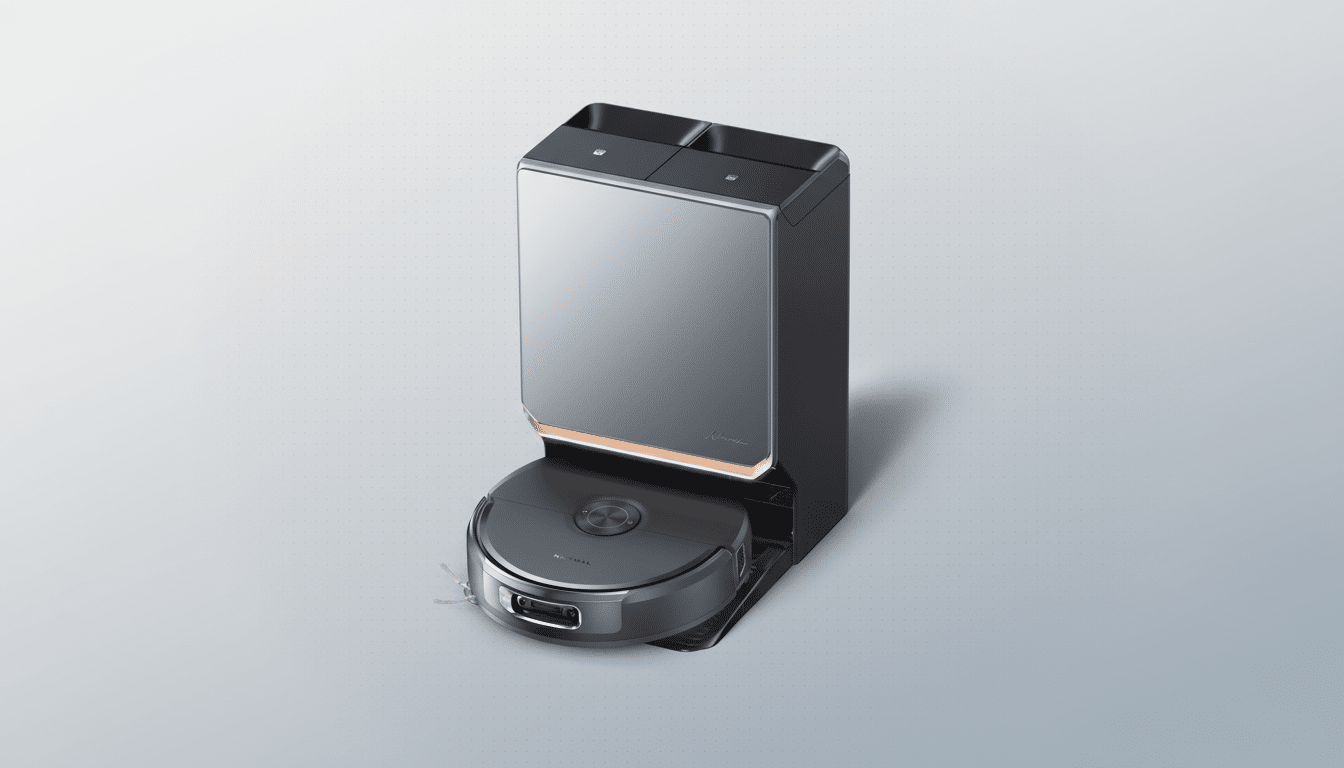
The Flow 2 combines two 1080p RGB cameras and a 136-degree field of view to allow the robot to create maps rich with rooms and objects. Narwal explains that the onboard model will attempt to identify objects first in a privacy-safe way before falling back to secure cloud processing if the robot bumps into something new. The firm positions this as “unlimited” object types over time as its classifier learns, going one step beyond the fixed catalogs most rivals ship with.
In practical terms, it means the vacuum can discern, and bypass, small high-value items like earrings winking beneath a sofa — or the cords and pet bowls that thwart lesser bots. Jewelry detection is a more challenging vision task than toys or shoes: small sizes, specular reflections and occlusion make simple models fail. If Narwal’s concept holds water beyond the demo floor, it could be a meaningful counter to all of those “the robot ate my ring” moments that have users hunting through garbage cans.
In addition to the sensing, you have those four cleaning modes (which control suction prowess, plus brush speed and mopping pressure), and some nifty compacting as part of every recharge. If it detects especially stubborn grime, the robot can return to base, hot-wash its mop and re-mop the same zone. Narwal also calls out that relatively high-temperature water is present at the dock to aid in mop hygiene — something we are seeing increasingly among premium cleaners looking to stop pads becoming bacteria farms.
Pet and baby modes extend past cleaning and care
Lining the pitch are three AI modes. Pet Care Mode allows owners to designate areas where animals take naps, or drop tidbits of fur while shedding; the robot then applies a bit more elbow grease in those spots without chasing the animal. Featuring built-in microphones and speakers, the bot also functions as a rolling check-in camera with two-way audio. How much power vacuum-wielding cats wield in real life is another question, but for a lot of households, just knowing that a pet is mobile does wonders for nerves.
Baby Care Mode dials down noise close to a crib and informs guardians of toys that are scattered about, since they tend to lurk underfoot or beneath furniture. The AI Floor Tag Mode is the flashy one: spot valuables, ignore them, and alert somebody. One possible example: a vacuum senses a fallen stud earring beside a bed, marks its location on a map and the earring is quickly retrieved rather than slowly searched-for in an auto-empty bag.
The emphasis on pets makes business sense, of course. Per the American Pet Products Association, 66% of U.S. households have a pet, and fur plus regular shed zones translate well to robot cleaners’ strengths. Narwal’s bet is that “monitor plus clean” is a viable point of differentiation in a market where suction power and battery life alone are no longer guaranteed to grab attention.
Privacy and safety questions around cameras and cloud
There will be privacy concerns about the two 1080p cameras roaming bedrooms in a mobile device, no doubt. Narwal’s local-first, cloud-second design is useful, but the specifics are what count: opt-in controls for remote processing, visible policies around retention and strong encryption on video and voice. Digital rights advocates like the Electronic Frontier Foundation have long warned that “smart” cameras can exceed their intended purpose without strict protections. Buyers are going to want fine-grained toggles to turn off audio, block the most sensitive rooms, or force offline-only operation.
Narwal also debuted a hand-held U50 that combines UV-C light with heat treatment to reduce allergens. Regulators note that UV-C can deactivate microbes under the right conditions — dose and exposure time matter — as more of a supplement than a replacement for physical removal. The company also gave a preview of an ultra-thin, cordless stick vacuum that swivels 360 degrees, includes up to 50 minutes of run time and comes with an auto-empty station that holds about 60 days’ worth of dust.
How it stacks up against rivals in robot vacuum features
Rivals already are experimenting with vision-led navigation and hazard avoidance. iRobot’s j-series can distinguish pet waste to avoid catastrophic smears, while Roborock and Ecovacs models recognize dozens of common objects and include hot-mop laundering. The company’s differentiators include a jewelry-aware “floor tag” idea (no first-gen Roomba would have known to back away) and its built-in pet-monitoring system with two-way audio, both of which push out into the light-duty home robot space.
If Narwal can pair dependable object recognition with low false alarms and without much of a privacy trade-off, it might be setting a new bar for the premium end of robot cleaners. On the other hand, if cloud lookups are high or alerts noisy, the AI could seem more like overhead than a helping hand. Like with any camera-first robot, long-term software updates and transparent policies will matter as much as the design of its brush or size of its tank.
What to watch next for Narwal Flow 2 availability and price
Pricing and availability will dictate if this is disruptive, as well as support for smart home platforms and multi-floor mapping. At home, consumers will be seeking the basics — battery life, what it does when it crashes into an obstacle, and how much it costs to keep it docked in a charging station — alongside the headline AI features. Should Narwal’s Flow 2 succeed in its promise to see, understand and respect the stuff that matters, robot vacuums might finally move beyond “don’t eat cables” all the way up to “find my ring.”
