


The nation’s oldest civil rights group is stepping into a very modern fight: the physical footprint of artificial intelligence. The NAACP is mobilizing to keep AI data centers—and the air pollution, water stress, and noise that can accompany them—from concentrating in Black and low-income neighborhoods. The group’s campaign vaulted into the spotlight after it challenged methane-fueled turbines at xAI’s Colossus complex near Memphis and won support from federal regulators, a signal moment for environmental justice advocates watching the AI buildout arrive in their backyards.
The Real-World Costs Of AI Cloud Computing
AI may feel virtual, but it runs on power-hungry, water-thirsty machines. The U.S. Energy Information Administration projects data centers will consume about 6% of U.S. electricity by 2026, up from roughly 4% in 2022, driven largely by AI workloads. The International Energy Agency warns global data center demand could roughly double by 2026. When the grid can’t keep up, operators lean on onsite gas turbines and fleets of diesel backup generators—engines that emit nitrogen oxides and fine particulates linked to asthma and cardiovascular disease.
- The Real-World Costs Of AI Cloud Computing
- Why Siting Hits Black Neighborhoods First
- Memphis As A Warning Shot For AI Data Center Siting
- Jobs Claims Versus Community Costs And Risks
- What The NAACP Wants From Policymakers On Data Centers
- Beyond Memphis, The Map Of New Fights Is Filling In
- The Bigger Picture For AI And Environmental Justice
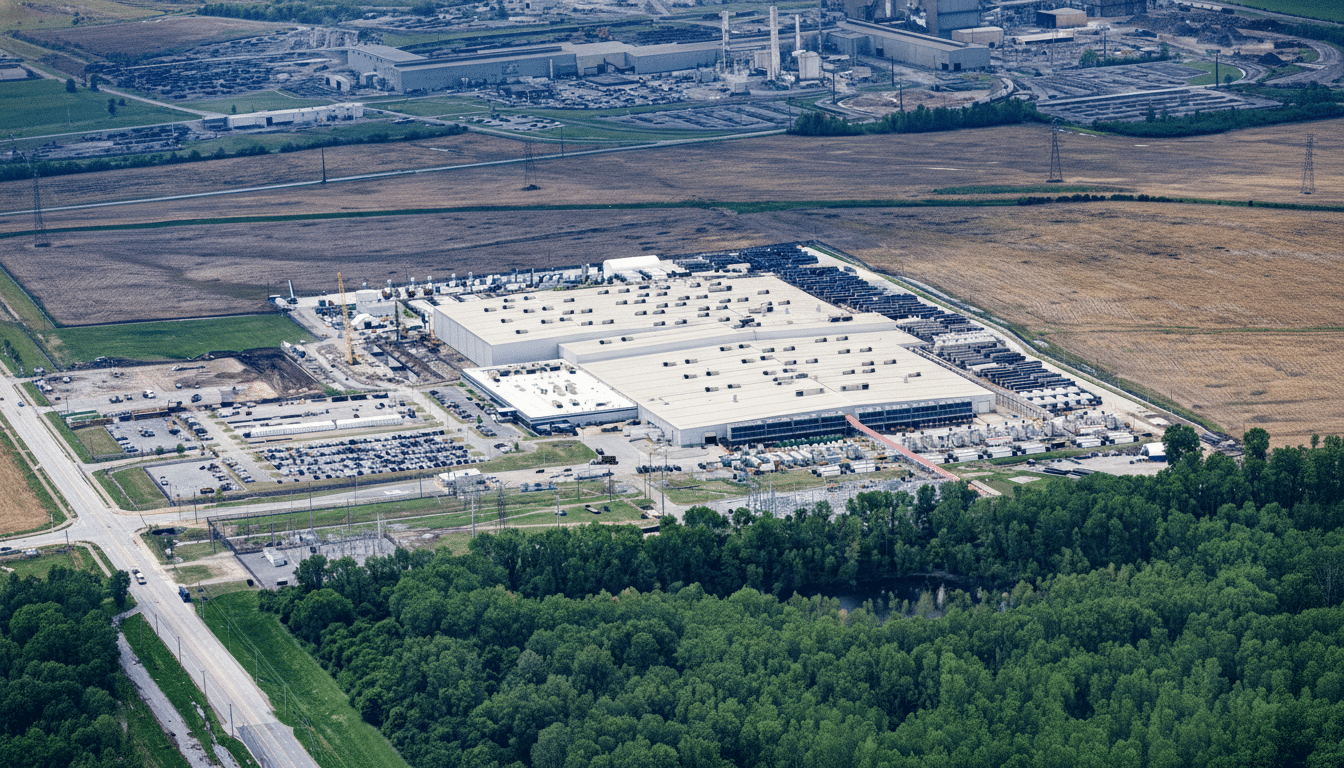
Water is another flashpoint. AI-optimized facilities can require millions of gallons per day for cooling in hot months. Company sustainability reports show the scale: Google reported about 5.6 billion gallons of water use in 2022, while Microsoft reported roughly 6.4 billion gallons that same year. In drought-prone regions, that draw competes with households and public services, and in humid climates it can intensify thermal and noise impacts from industrial-scale cooling systems.
Why Siting Hits Black Neighborhoods First
Data centers gravitate to places with existing substations, industrial zoning, and lower land costs—conditions often found near historically redlined communities. Decades of disinvestment have left many Black neighborhoods ringed by highways, rail, and heavy industry, making them prime targets for “compatible use” arguments from developers. Add nondisclosure agreements that keep negotiations with utilities and local officials out of public view, and residents frequently learn of projects after zoning changes are inked and construction is underway.
The NAACP frames this as a civil rights issue. When public agencies receiving federal funds approve permits that increase cumulative pollution burdens in already overburdened neighborhoods, the organization argues, Title VI of the Civil Rights Act comes into play. That legal posture pushes regulators to analyze who bears the risk—and whether safer alternatives exist—before issuing approvals.
Memphis As A Warning Shot For AI Data Center Siting
In South Memphis’s Boxtown, a majority-Black community that has long lived with industrial emissions, the NAACP challenged methane gas turbines installed to power xAI’s Colossus data centers. The Environmental Protection Agency later determined the turbines were not exempt from air-quality permitting, aligning with the NAACP’s claim that the project bypassed safeguards designed to protect local residents. Advocates say the decision underscores a broader principle: AI infrastructure is still industrial infrastructure, and communities deserve the same environmental scrutiny applied to power plants or refineries.
Jobs Claims Versus Community Costs And Risks
Developers often lead with jobs and tax-base arguments.
But the permanent workforce at large data centers typically numbers in the dozens, not hundreds, with most employment tied to short-term construction.
Meanwhile, the public picks up long-tail costs:
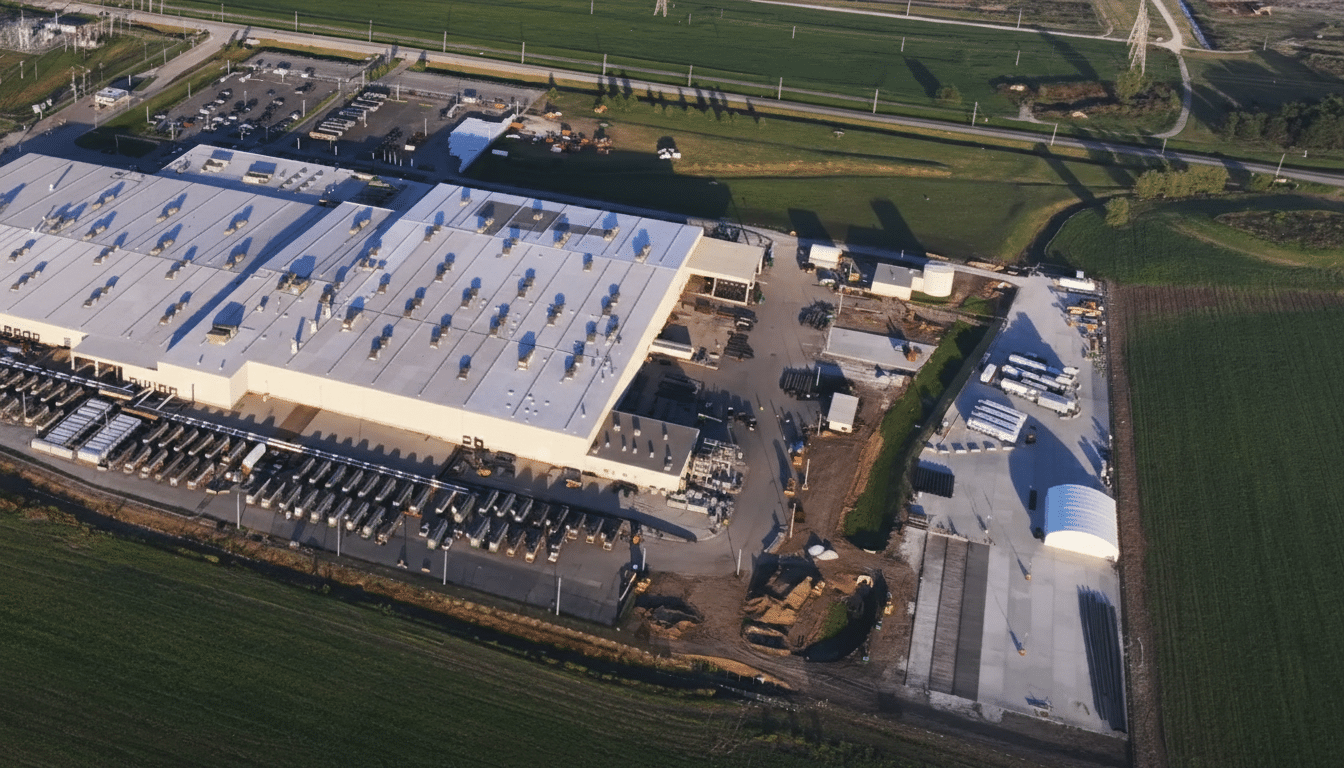
- Utility upgrades financed through rate increases
- Additional peaker generation to meet peak loads
- Emergency diesel emissions during grid stress
In Northern Virginia’s “Data Center Alley,” state and county filings document thousands of diesel backup generators—insurance for outages that also translate to localized air-quality risks when they run.
The NAACP and allied groups say such trade-offs should be quantified up front. That means cumulative impact assessments that capture traffic, noise, air toxics, and water withdrawals—measured against existing burdens—before any permit is issued. It also means truth-in-advertising on jobs numbers, wage standards, and the actual share of power that will come from clean sources versus fossil fuels.
What The NAACP Wants From Policymakers On Data Centers
The organization has outlined a frontline framework developed with more than 100 partners. Core planks include:
- Rejecting onsite fossil generation and large diesel fleets
- Requiring real-time pollution and water-use monitoring
- Mandating public disclosure of power and water contracts
- Negotiating binding, enforceable community benefits agreements
Where information is missing or impacts are uncertain, the group urges temporary moratoriums until agencies and residents can evaluate full risks and alternatives.
Regulators have tools to deliver. State environmental agencies can apply cumulative impact rules and fence-line monitoring. Utility commissions can require demand-management, energy efficiency, and clean energy procurement as conditions of interconnection. Local governments can insist on daylighted negotiations—no NDAs for public resources—and site data centers in locations with least harm, not just lowest cost.
Beyond Memphis, The Map Of New Fights Is Filling In
Battles are emerging from Prince William County, Virginia—where residents have challenged a vast expansion near historic and residential areas—to water-stressed metros in the Southwest wrestling with new campuses and shrinking aquifers. In the Midwest and South, civil rights chapters are scrutinizing utility plans that funnel billions into new gas plants and transmission justified by data center growth, warning those costs often land hardest on low-income ratepayers.
The Bigger Picture For AI And Environmental Justice
AI’s promise will ring hollow if its benefits are decoupled from the burdens it creates. The Memphis case showed communities are not powerless, and that federal oversight still matters. The NAACP’s message is straightforward: innovation should not repeat the siting patterns of yesterday’s smokestacks. With transparent planning, enforceable safeguards, and cleaner power, the industry can grow without sacrificing the health of Black neighborhoods. Without those guardrails, expect more court filings, more organizing—and more pushback wherever the next “cloud” tries to land.
