


Real-time translation is jumping from phone screens to your ears. The Mymanu Orb open-ear earbuds, showcased to travelers and multilingual teams, promise instant two-way translation across 50+ languages while keeping you aware of your surroundings—and they’re currently listed at $139.99, a 22% drop from the $179.99 MSRP.
What These Translation Earbuds Do and How They Help
Orb blends everyday listening with live interpretation. In face-to-face mode, each person speaks naturally and hears the translated voice in their earbuds within moments. For calls, the system translates both ways so you can phone a hotel in Paris or a client in São Paulo without stumbling over verb tenses. It can also interpret spoken audio—like a podcast or a video soundtrack—so you understand what you’re hearing without staring at captions.
- What These Translation Earbuds Do and How They Help
- How Real-Time Earbud Translation Works Behind the Scenes
- Real-World Use Cases for Everyday Translation Earbuds
- Open-Ear Design Benefits and Translation Trade-Offs
- Performance Expectations and Tips for Best Results
- Pricing and Availability for Mymanu Orb Translation Earbuds
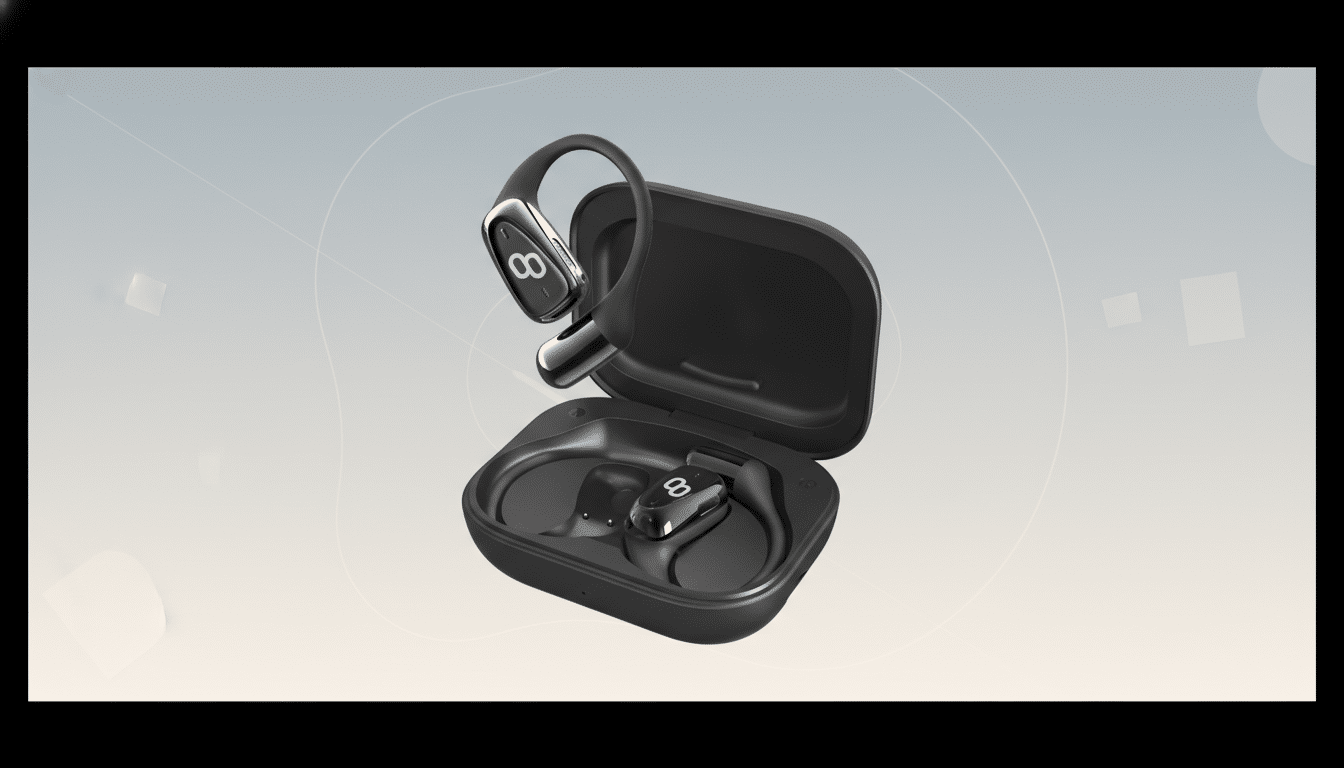
The open-ear design sits just outside the ear canal so you can catch a coworker tapping your shoulder or hear traffic as you cross a busy street. Hands-free controls and on-device prompts reduce constant app fiddling, and a companion app can display optional subtitles or save transcripts for meeting notes.
How Real-Time Earbud Translation Works Behind the Scenes
Under the hood, most real-time systems follow a three-step pipeline: automatic speech recognition to turn audio into text, machine translation to convert meaning across languages, and text-to-speech to speak the result. Modern models perform these steps as a stream, which cuts latency to about a second or two in favorable conditions. Accuracy depends on microphones, background noise, accents, and whether your conversation uses idioms or jargon.
Industry research shows rapid gains. Speech recognition benchmarks for widely spoken languages continue to see falling error rates, while end-to-end models from major labs have made multilingual translation more resilient to accents and conversational speech. Yet no system is perfect—fast code-switching, colloquialisms, and low-resource languages can still trip up even leading AI.
The demand is clear. CSA Research reports that 76% of consumers prefer to buy when product information is in their native language. In the United States, the Census Bureau notes that roughly 22% of residents speak a language other than English at home. Earbuds that translate on the fly don’t just help travelers—they smooth daily life for hospitality workers, delivery drivers, nurses, and students who navigate multilingual settings.
Real-World Use Cases for Everyday Translation Earbuds
Picture ordering yakitori at a Tokyo izakaya: you speak into the earbuds, your server hears Japanese back instantly, and you hear their reply in English without handing over your phone. In a mixed-language standup meeting, live interpretation lets teammates follow along while the app logs a searchable transcript for later. Healthcare workers can triage basic questions across languages, then hand off to a certified interpreter for clinical details when needed.
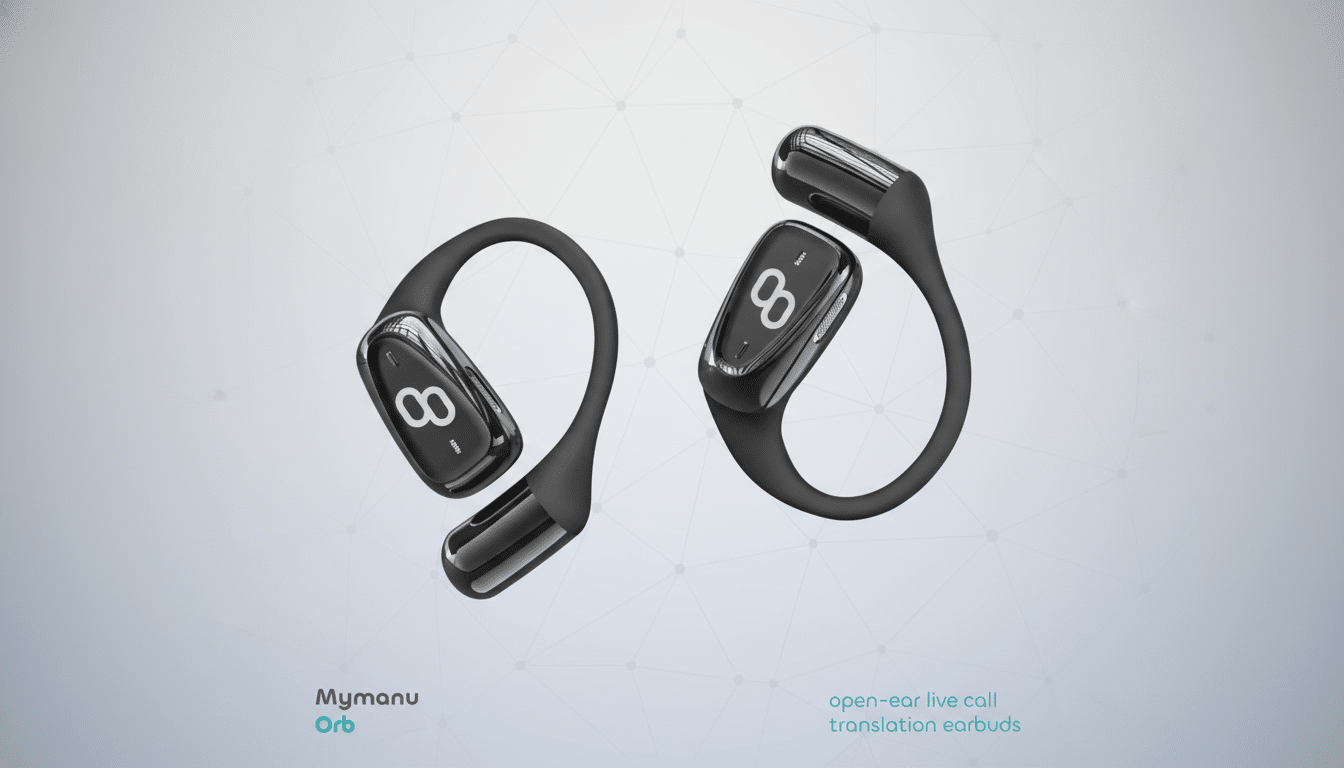
For content consumption, Orb’s audio translation can make foreign-language lectures or podcasts accessible during a commute. Pairing with a phone or laptop adds optional subtitles, useful for complex topics or when accents are thick.
Open-Ear Design Benefits and Translation Trade-Offs
Open-ear hardware is a practical choice for interpretation because you need situational awareness and the ability to hear the other speaker directly. It’s also more comfortable for long sessions and avoids the “plugged” sensation of in-ear buds. The trade-off is physics: open designs can leak a bit more sound in noisy spaces, so microphone quality and beamforming matter for clean input.
Compared with phone-based translation or smart-bud features like Google’s Interpreter Mode on Pixel devices, dedicated translation earbuds aim for lower friction and faster turn-taking. Timekettle’s conversation earbuds and similar rivals typically support 40–60 languages with app-assisted modes; Orb positions itself in that same arena with multi-mode translation, transcription, and open-ear comfort. As with any cloud-assisted service, check the vendor’s privacy policy—digital rights groups like the Electronic Frontier Foundation advise reviewing how voice data is processed, stored, and deleted.
Performance Expectations and Tips for Best Results
Expect the best results in quiet environments, with clear enunciation and standard dialects. Latency around one to two seconds is typical for mainstream real-time systems today. For idioms or humor, consider rephrasing—machines parse meaning better than double entendres. And for sensitive interactions (medical consent, legal terms), professional interpreters remain the gold standard; earbuds are excellent for everyday logistics, not high-stakes nuance.
Pricing and Availability for Mymanu Orb Translation Earbuds
The Mymanu Orb open-ear AI translation earbuds are listed at $139.99, reflecting a 22% discount from the $179.99 MSRP, with free shipping. They were highlighted during the most recent CES cycle, underscoring a broader trend: translation is becoming a baseline feature of wearables, not just a demo on your phone. If you spend your days jumping between languages, these earbuds are designed to make those jumps feel a lot more natural.
