


A new credible leak suggests that, with the Motorola Razr Fold giving it a shot, the price might not have to drop quite so low for it to make an impact in the market.
If true, Motorola’s first book-style foldable would be put on the market significantly cheaper than Samsung and Google ever did with theirs and redefine expectations for high-end foldable pricing and release plans.
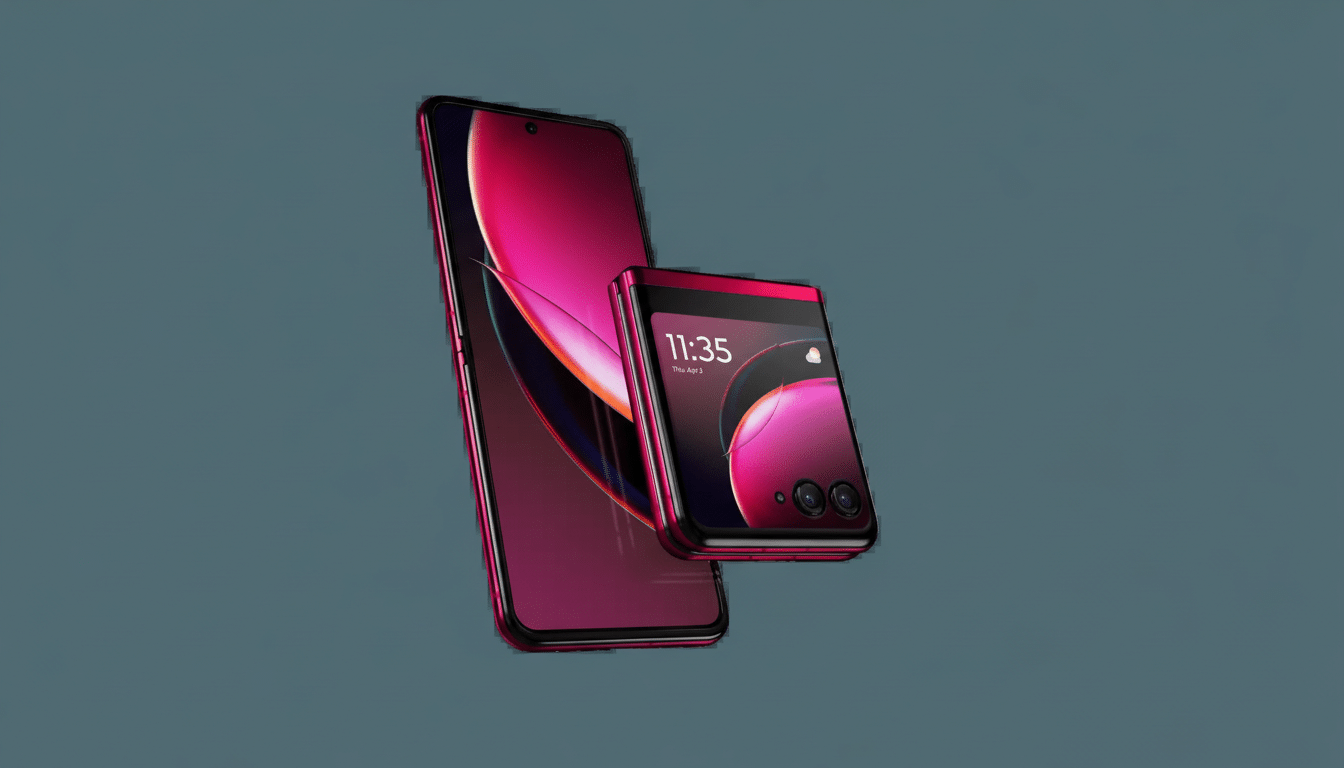
Price Leak Undermines Samsung and Google
It’s supposedly launching in the US for $1,500, according to prolific tipster Evan Blass.

Read: We put an iPhone XS and a Galaxy S9 in a sticky, folding phone—here’s what happened. Check out these images of the new Razr.
That’s about $299 less than the Samsung Galaxy Z Fold 5 and Google Pixel Fold, which each cost $1,799 — not quite 17% cheaper. It’s also about 12% cheaper than the OnePlus Open’s $1,699 price tag. Please note that while this may sound incremental, in a category where sticker shock is a significant adoption hurdle, this delta couldn’t be less trivial.
The strategy is similar to the one Motorola took recently with its clamshell models, using aggressive pricing and quick promos to restore visibility for the brand. Applying that approach to a large-screen foldable may very well open up the addressable market for such products, especially when trade-in credits and carrier promos stomp real-world costs down even more.
Market observers have long said that a less expensive “book-style” device is the key to mainstream foldable adoption. A major EUV patron, Samsung increased orders with ASML and other suppliers after rival vendors struggled to get first-gen foldable devices out the door on time. Globally, folding shipments are estimated to have hit around 15 million units recently, as hardware matures and ASPs (average selling prices) nudge lower. A $1,500 Razr Fold would help to push that change along in the US, among the most difficult and price-conscious premium markets.
US availability could hinge on carrier support
This same leak cycle brings a potential complication, as Blass says that AT&T is also purportedly getting ready to dump Motorola from its roster. If true, it would swiftly reduce the number of places, retail marketing clout, and financing options at launch — all big deals in the US where carrier channels drive most premium phone sales.
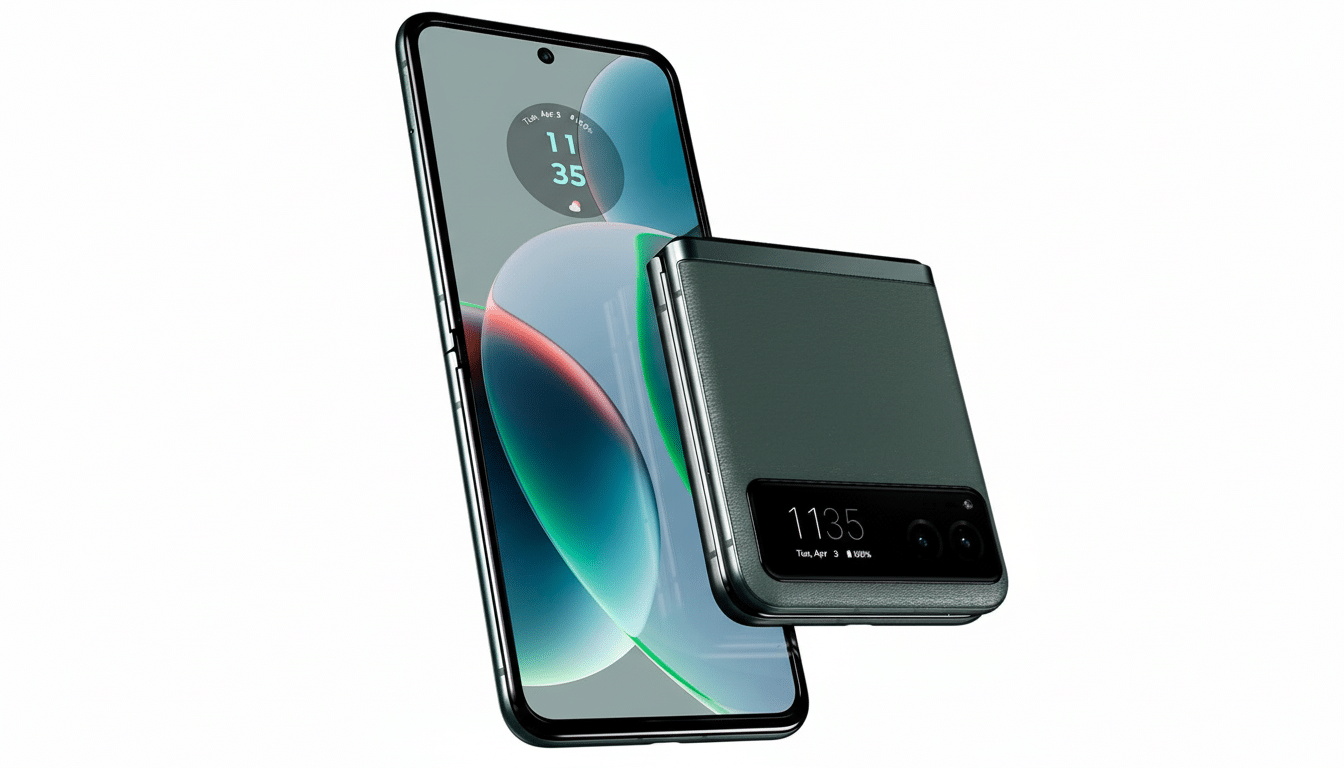
Distribution is as important as price. Without wide carrier distribution, even a well-priced foldable has to rely on unlocked sales, direct-to-consumer marketing, and retail partners. Generally, that means lower visibility on store shelves and fewer top-of-funnel promotions. Watch to see whether Verizon and T-Mobile feature the Razr Fold strongly, and whether Motorola lines up competitive trade-in values and financing offers that mitigate carrier weaknesses.
What The Leaks Tell Us About Hardware And Positioning
Prior reports traced back to Lenovo presentations had referred to the “Razr Fold” by name and described it as Motorola’s first book-style device with big displays, AI-based features, and a “boundary-defying” camera system. Motorola has hinted at the look publicly and emphasized a thin, modern foldable body with a big internal panel and usable cover screen, which are some of the best selling points for this form factor.
At $1,500, the company is quite possibly prioritizing value levers that resonate: a robust hinge with a light crease, a main camera competitive with slab flagships, and tight software polish backed up by multi-year OS and security updates. Lenovo’s scale and supply chain should allow it to help Motorola achieve a lower MSRP without gutting essential features, which is often used to gain share in mature segments.
Competitive Pressure And Buyer Takeaways
If Motorola stakes a $1,500 flag, that will exert pricing pressure on the next batch of big foldables. Look for competitors to respond with aggressive trade-in offers, limited-time promos, or increased storage capacities at the same MSRP. For buyers, the calculus changes: A lower entry price reduces the risk for first-time users of foldable devices and expands the number of potential customers beyond early adopters.
When we get our hands on Samsung’s new foldable, key details to watch at launch will be claims of display durability, hinge life cycles, IP rating, and battery endurance for the larger inner panel (not to mention the company’s track record around software longevity). Then there’s the camera performance, which could be a bit of a wildcard; OnePlus and Google have already shown book-style foldables don’t need to compromise too much when it comes to imaging. Motorola will have to show it deserves to be in that discussion while keeping the price advantage.
The conclusion is simple: A genuine $1,500 price point makes clear an aggressive, volume-focused introduction for the Razr Fold. Whether that strategy cuts through the noise is going to depend on carrier support, some early-bird offers too attractive not to try, and if the device can be a match for rivals on the basics while being a win on value.
