


I spent hands-on time with Motorola’s new Razr Fold on the CES show floor, and one thing jumps out at you for a surprisingly practical reason: the cover screen feels like an actual phone.
That one feature makes everyday life smoother than on the Galaxy Z Fold 7 that Samsung offers, and it could be the difference between a foldable you only open when you need to and a folding phone that’s fun to use all day.
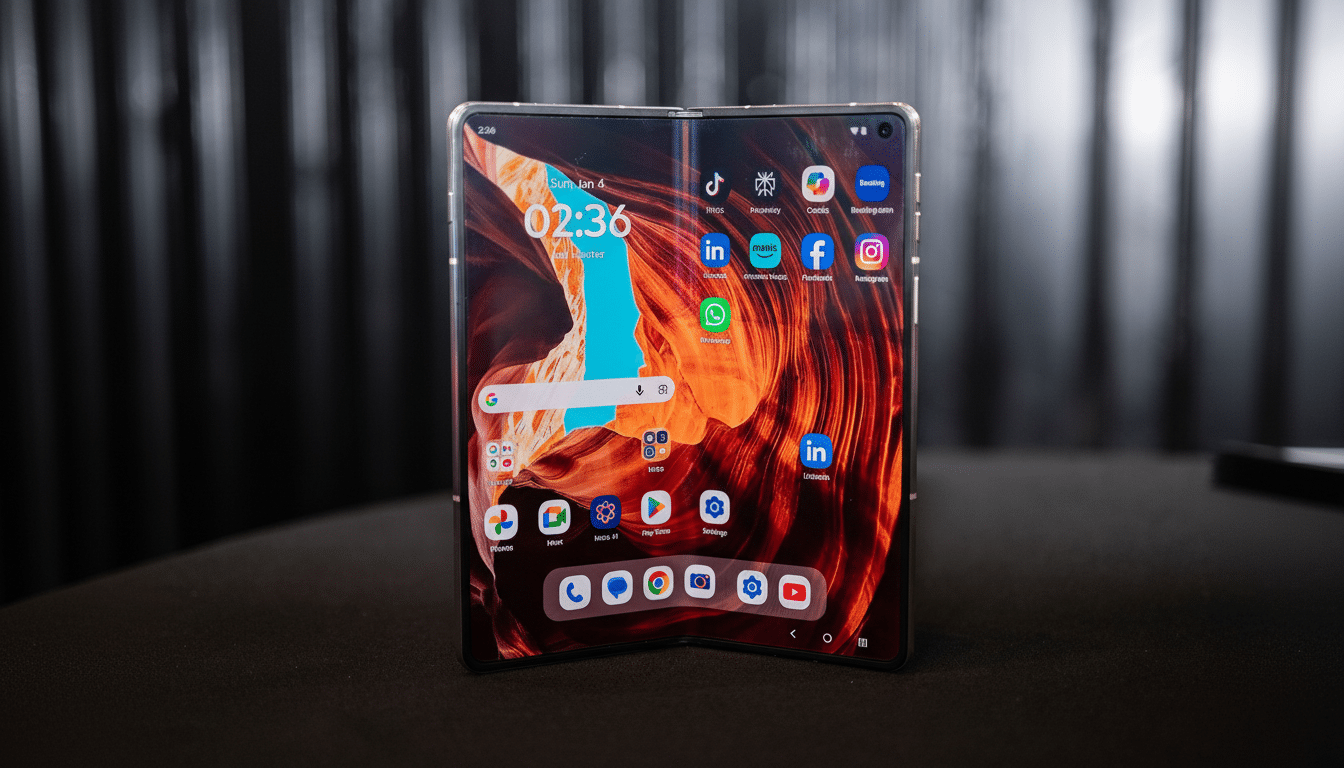
Hands-on with Motorola’s book-style foldable
Introduced as part of Lenovo’s Tech World event, the Razr Fold sees Motorola leapfrogging clamshells and diving into a book design similar to its original launch. Closed, you have a 6.6-inch cover display that acts like a conventional slab of glass. Open it, and a spacious 8.1-inch 2K LTPO inner display greets you, a canvas primed for multitasking, sketching and streaming. Motorola is playing coy with the chipset and details around the battery and charging at this time, but the build quality felt mature, with a hinge that opened confidently and smoothly.
The company also touted plans for a Moto Pen Ultra stylus, AI tools like Catch Me Up for triaging notifications and Next Move for predictive recommendations, as well as a camera stack built around a Sony Lytia sensor with Dolby Vision capture. It’s a compact feature set designed for the people whose first concern is that it needs to work as a productivity tool, and secondarily as a piece of technology they can wave around.
The Practical Edge Against Galaxy Z Fold 7
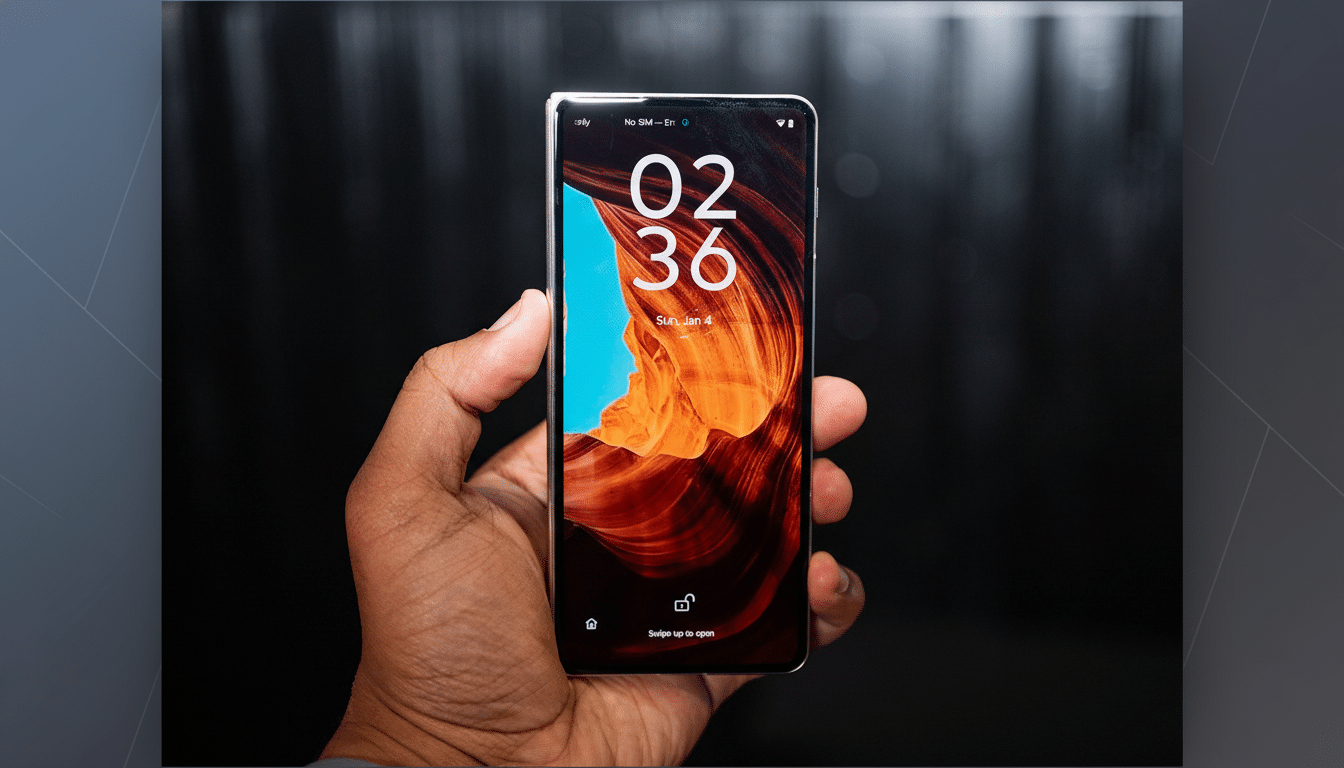
The biggest win over Samsung’s Z Fold 7 is ergonomics when the phone is closed. The 6.6-inch outer display on the Razr Fold is plenty wide for typing, using maps and taking pictures of things without making sacrifices in keyboard space or UI layout that are impossible to use safely. And in my quick tests, the apps launched as I was used to and I was able to fire off messages and emails without constantly opening the phone. That saves a bit of time, it saves wear and tear on the main screen and undermines some of the hit-you-over-the-head compromise feel you get from foldables.
Samsung’s Fold line has always preferred a taller, narrower cover display, which is ideal for reachability but can feel cramped for extended typing and full-screened apps. Samsung has written software to make up for this but Moto’s more traditional cover screen means fewer workarounds. It’s a small design choice with big daily rewards — especially if you find yourself spending hours messaging, triaging inboxes and popping between maps and rideshare apps.
The stylus story also matters. On the show floor, this experience was replicated: The Moto Pen Ultra paired with a quickness and tracked smoothly across the inner display as we made markups and drew rough sketches. Samsung’s solution is based on a separate S Pen accessory, and few users bother picking up the pen because it’s just another thing to buy and carry around. The Razr Fold’s out-of-the-box pen readiness reduces the barrier, which is key for students, designers and field workers who are annotating all day.
Cameras and AI That Matter for Everyday Use
Motorola’s camera game is surprisingly ambitious for such a first-gen book-style foldable: It packs a three-camera rear array including a 50MP main, ultrawide/macro and zoomy (like 3x periscope kind of) lens. Above the outer display is what Motorola says is a 32MP selfie camera; there’s a 20MP camera above the main screen for clearer video calls. The addition of high-resolution sensors with the periscope 3x means that portraits and medium zoom shots should resolve fine detail that smaller tele sensors usually lose in low light.
In short demos, focus locks were fast and color remained consistent across lenses — a gap on which many foldables still stumble. The Dolby Vision support means creators should have more leeway in post and the rep of the Lytia sensor for dynamic range will come into play whether it’s a bright show floor or night cityscapes. AI tools add some pragmatic value too — Catch Me Up summarizes missed messages, notifications and whatnot to read, while Next Move provides context-aware suggestions in relation to things like rescheduling a meeting or authoring a response. These are the types of quiet victories that accumulate over months of wear.
Price and market context for the Razr Fold launch
Motorola has not discussed price or a specific ship window outside of “later this year.” If the Razr Fold lines up below $1,000 it would eat normal big-brand book-style foldables for breakfast by a significant margin, maybe even 30–40% less depending on setup. Those price points would not just challenge competitors; they would also broaden the market as foldables take root.
Global foldable shipments were on pace to exceed sales of about 19 million units in 2024, up some 20–25% year over year, despite the broader smartphone market remaining flat, according to Counterpoint Research. IDC has identified lower prices and improved ruggedness as central to the next wave of adoption. If Motorola adds those to a comfortable cover display, pen support and competitive cameras at an aggressive price point, then it will be in tune with mainstream buyers, not just early adopters.
There are still unknowns. Eagle-eyed observers will need to wait longer than that to determine whether the experience keeps up with premium rivals over time, due to battery capacity, charging speed and chipset. And Samsung’s software gloss is still a high watermark, especially when multitasking and managing windows. But early impressions indicate that Motorola has pinpointed the everyday friction points — and addressed them with a design that says more about how people actually use their phones most of the time.
Bottom line: What makes the Razr Fold better than the Galaxy Z Fold 7 isn’t some splashy spec — it’s deployability. And a truly phone-shaped cover screen and not-sold-separately stylus support mean this foldable is more ready to live in our hands from day one. If the price is right, this could be the most accessible book-style foldable yet.
