


But it may reflect a strategic play at the higher end of Android rather than simply being another spec-driven-or-bust launch; think more long-haul software promise and less what’s-this-snazzy-thing-you’re-doing title-our-castle edition.
Motorola’s newest Signature phone signals an opportunity to grab a piece of that top-drawer war chest by pairing a longer-level status with premium touches you don’t typically see in such launches. The device is coming to market as the first in a new series, backed by three OS upgrades and up to four years of security updates and premium services — including 24-hour concierge with access to exclusive hotels and restaurants, bringing curated luxury experiences into the consumer’s hand.
- Design That Is Discreet and Durable, Built to Last
- Display and silicon aimed at power users and gamers
- Battery life designed not to let you down over years
- Triple 50MP cameras deliver range and real versatility
- Seven years of updates is the headline commitment
- Experiential luxury and market strategy for differentiation
- Early take: a restrained flagship with long support
“Today marks the beginning of an exciting journey for us: our exploration into devices,” said YeonJeong Kim, General Manager of Global Marketing at Samsung Electronics. “We are starting Floyd with an aspiration towards innovation & creativity that we’ve never had before.” The Galaxy Tab S8 Ultra becomes official in Europe. Priced at €999 […]
Design That Is Discreet and Durable, Built to Last
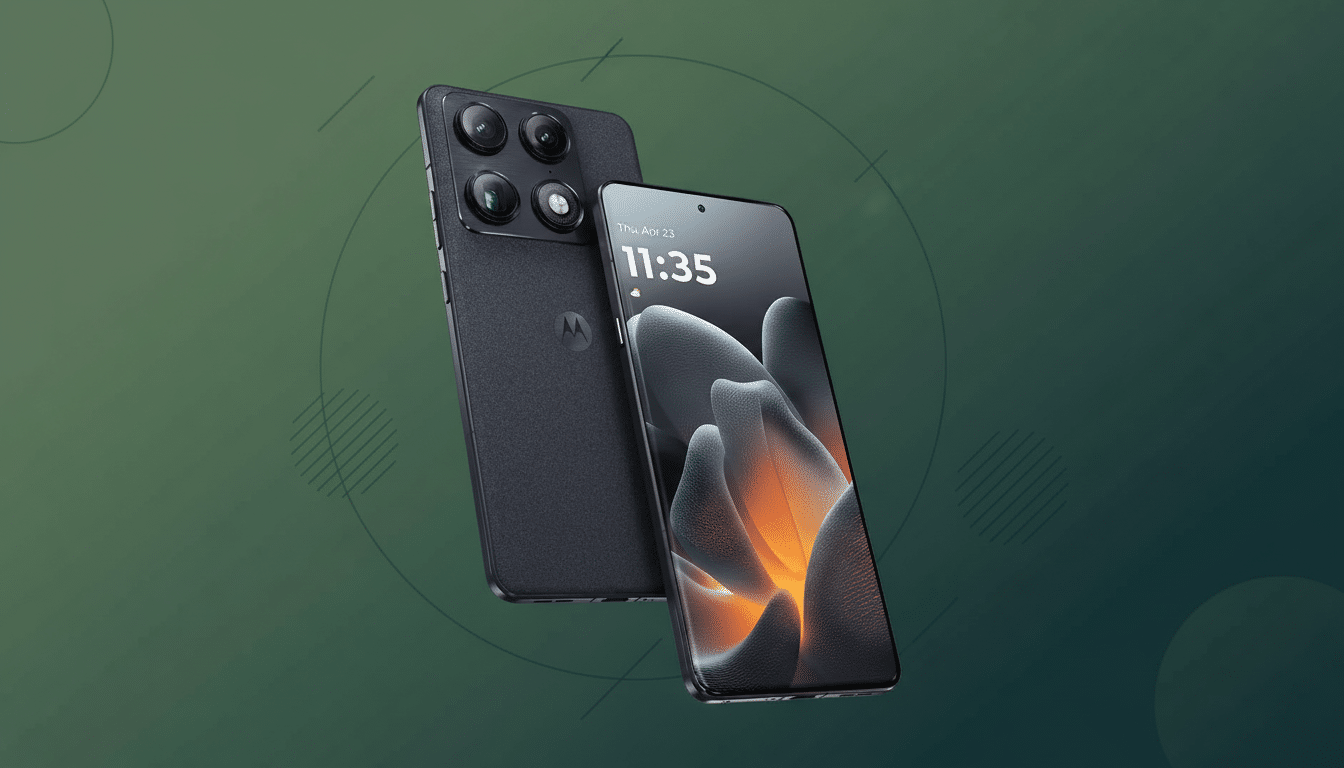
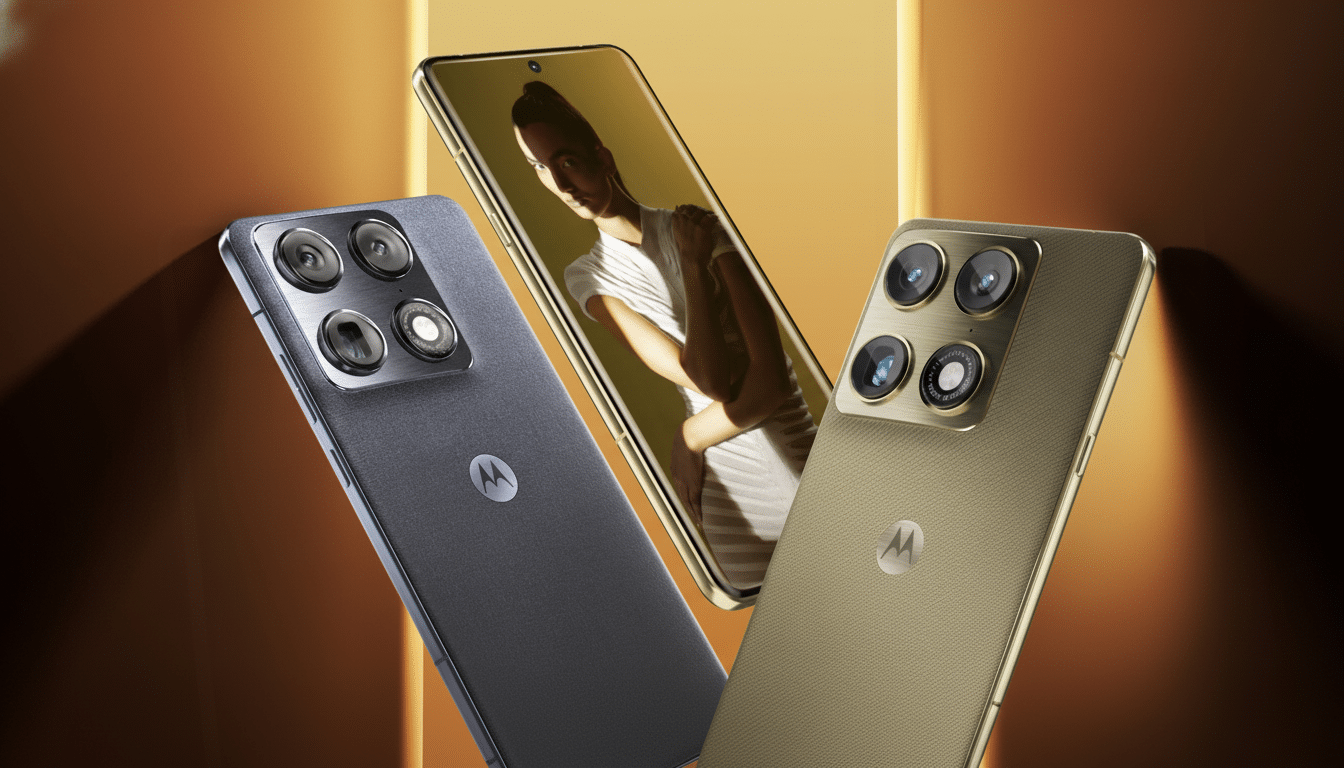
The Signature is only 6.99mm thin, so it goes for a refined minimalism rather than flash-in-the-pan flourishes. An aluminum frame marries with Corning Gorilla Glass Victus 2, and IP68/69 ratings hint at confidence against dust, immersion, and even high-pressure water jets — which is a rarity for consumer devices. The finishes are characterful without being brash: Pantone Martini Olive is twill-textured; Pantone Carbon is linen-like. An ultrasonic in-display fingerprint reader and a rather surprisingly whimsical “Signature packaging fragrance” add to Motorola’s effort of matching substance with brand theater.
Display and silicon aimed at power users and gamers
That 6.8-inch OLED panel operates at 165Hz with a resolution of 2,780 x 1,264 and is designed to deliver smooth scrolling and responsive gaming. Under the hood, Motorola opts for Qualcomm’s Snapdragon 8 Gen 5 instead of the Elite model, meaning that it might house mid-tier hardware overall to adjust thermals and/or battery life. Wi‑Fi 7 compatibility and a bountiful 512GB storage cap off a spec sheet that screams longevity and strength of purpose.
Battery life designed not to let you down over years
A 5,200mAh silicon–carbon battery is the quietly brilliant star of the show. The pack is said to be rated for 1,200 charge cycles, indicating it should be longer-lasting than conventional lithium-ion packs (which generally fall into the 500–800 cycle range). As a practical matter, that’s peace of mind for owners who expect to hold onto the phone for years without much drop-off in battery capacity. Charging is rapid: 90W wired, 50W wireless, even with the larger pack; and the materials typically can handle high current passably if thermal management is done right.
Triple 50MP cameras deliver range and real versatility
Motorola also seems to love the sensor parity we’re seeing across cameras these days: there’s a 50MP LYT-828 main camera, a 50MP ultrawide packing in that cool-sounding 122-degree field of vision, and a third cam with another 50MP sensor in its snout (with 3x periscope, LYT-600). The front camera, too, peaks at 50MP (LYT-500). The matching of pixel count isn’t just a matter of vanity metrics; higher-resolution telescopic and ultrawide sensors will, on Pixel 4 evidence, reduce the need for digital upscaling while affording more flexibility with cropping. Look for a push into computational photography to close the gap from 3x optical to 6x hybrid, which is where many users actually shoot, even as some competitors chase the extremes of 5x or even 10x.
Seven years of updates is the headline commitment
The news is that HMD Global has promised seven Android OS upgrades and protection for seven years, which is the most significant part of this launch. It brings Motorola in line with the top of the chain of Android and addresses one of the platform’s weakest points: faith in long-term support. Global smartphone replacement cycles are now over three years, based on the latest from Counterpoint Research, and longer software support helps consumers who calculate TCO (total cost of ownership). It also works towards sustainability goals; the United Nations’ Global E-waste Monitor has recently warned of skyrocketing e-waste volumes, and keeping gadgets alive for longer is one of the easiest levers available to manufacturers.
Experiential luxury and market strategy for differentiation
Motorola is offering more than just hardware, as well. It’s also throwing in “exclusive access to personalized luxury experiences” across travel, dining, wellness, and lifestyle. Details are thin on the ground for this right now, but think some concierge-style program with partners that may echo premium card ecosystems — priority bookings, specially curated getaways, or unique wellness experiences. Done right, it would become a differentiator that continues to outlive spec parity in a market where top-end phones tend to look interchangeable on paper.
The Signature arrives in Europe for €999, is priced at £899 in the UK, and Motorola also has plans to release it across the Middle East and Africa, Latin America, and Asia-Pacific. No verified North American plan as of yet — but with Motorola’s regional naming peccadillos, a relabel under the Edge line wouldn’t be unexpected. Priced below ultra-premium four-figure flagships but featuring class-leading support and features, the pricing would seem to be carefully pitched to lure buyers who want longevity and polish but not in pursuit of the silicon bin peak.
Early take: a restrained flagship with long support
The Signature is kind of like an adult version of a flagship: restrained design, a fast and efficient display, a trio of capable cameras, and a battery that’s designed to outlast upgrade cycles. It’s the seven-year stretch that is the marker of trust. If Motorola does provide its updates from the abyss and these luxury experiences do turn out to be more than just a fad, this phone might well redefine what we all think we should expect of Android phones in terms of longevity — and quality, for that matter.
