


A fresh marketing render appears to settle the most persistent question about the Motorola Edge 70 Fusion’s silicon. The image, shared by a reliable leak source, shows Snapdragon 7s Gen 4 branding, aligning with recent benchmark sightings and cutting through weeks of mixed reports that pointed to an older 7s Gen 3 platform. If accurate, Motorola’s next Fusion model is stepping into the new generation of Qualcomm’s 7-series at launch.
Chipset Mystery Finally Comes Into Focus
The Edge 70 Fusion’s processor has been the lone holdout in an otherwise well-formed spec picture. Early whispers tied the phone to Snapdragon 7s Gen 3, but a later Geekbench listing, spotted in the public database maintained by Primate Labs, suggested a Gen 4 part instead. The newly surfaced promotional visual showing the 7s Gen 4 logo is the strongest indication yet that Motorola opted for the newer chip.
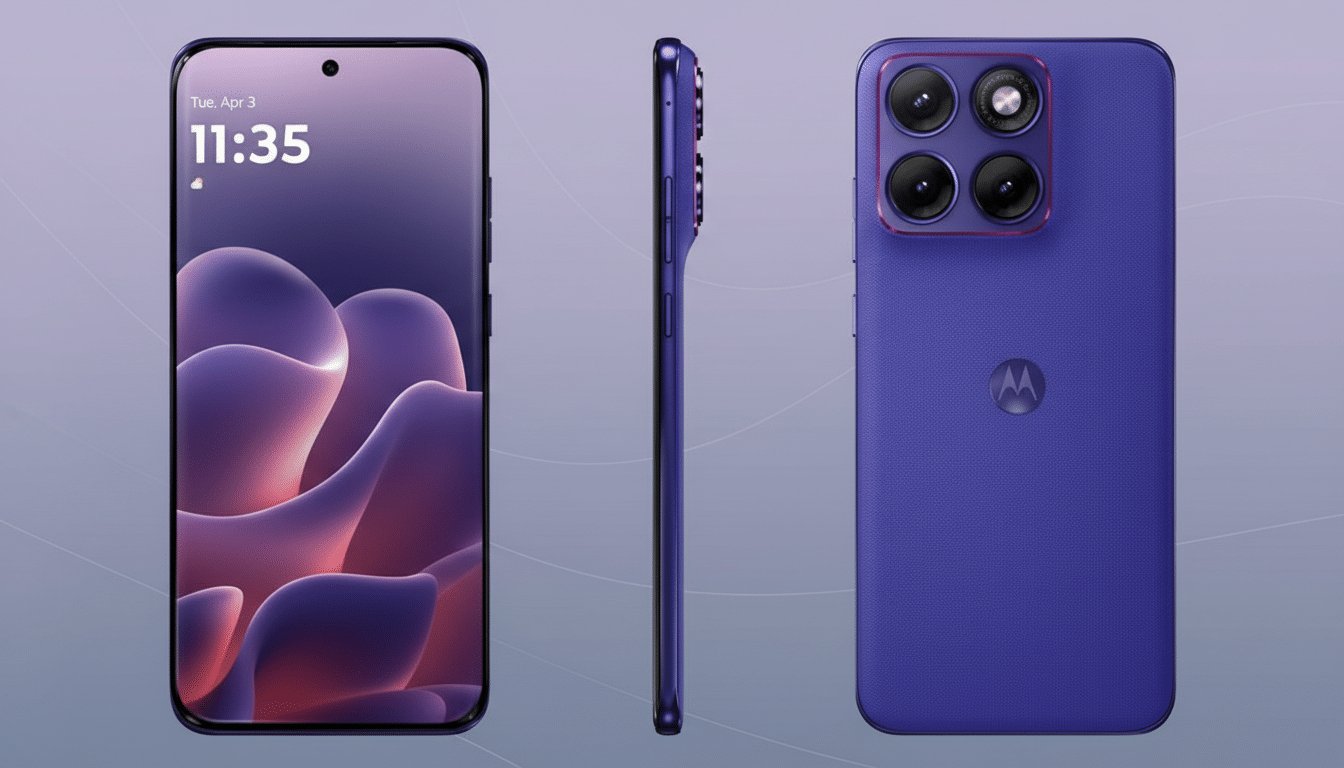
Why the confusion? Qualcomm’s “7s” sub-line often lands between major 7-series releases, and OEMs tend to prototype with multiple boards before locking an SKU. That can seed conflicting trails across retailer sheets and early firmware builds. A marketing render usually reflects the final call.
What Snapdragon 7s Gen 4 Could Mean For Users
Qualcomm’s recent mid-tier refreshes have emphasized efficiency and sustained performance as much as raw speed, leveraging modern process nodes and updated CPU clusters. A shift to a newer 7s generation typically brings modest but meaningful gains in CPU and GPU throughput, improved ISP features for low-light and HDR, and more capable on-device AI acceleration for tasks like scene detection and voice processing.
In practice, that should translate to steadier 144Hz UI fluidity, fewer thermal throttling dips in long gaming sessions, and better battery life per watt — all key for a device expected to run a 1.5K AMOLED panel. Network stability and camera capture pipelines also tend to benefit from newer modems and image processors in the stack, even if clock speeds don’t grab headlines.
Memory Headroom Looks Generous On Edge 70 Fusion
The same leaked image also shows a 12GB RAM callout, a strong indicator that at least one configuration will ship with flagship-like memory headroom. That’s notable for a midrange-focused phone, where 8GB tends to be the default. Expect an 8GB variant to hit select markets as well, keeping entry pricing in check.
Beyond smoother multitasking, 12GB can help sustain high refresh rates with fewer background app reloads, and it future-proofs the device for heavier camera features and growing on-device AI workloads. Storage specs remain unconfirmed, but pairing ample RAM with faster UFS would complete the responsiveness story.
Display And Hardware Round Out A Polished Package
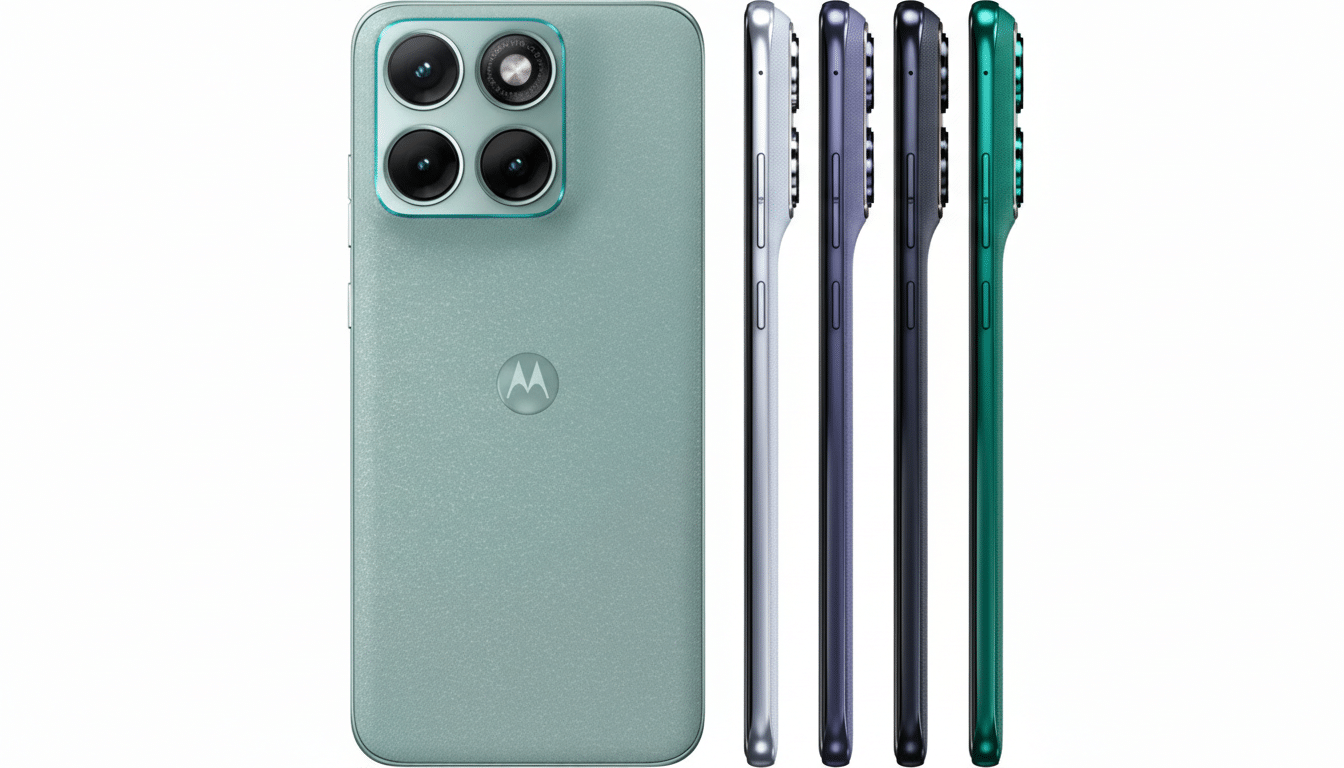
Leaked spec sheets point to a 6.78-inch 1.5K AMOLED panel with HDR10+ support and a 144Hz refresh rate — a combination increasingly favored by performance-leaning midrangers. A quoted 5,200 nits peak brightness would be among the highest in class if realized, improving outdoor legibility and HDR punch. As always, the sustained brightness figure will tell the real usability story.
Imaging is rumored to center on a 50MP main camera, matched with a 32MP front-facing unit. While sensor details are scarce, a newer 7-series ISP should help with multi-frame processing and tone mapping. Fast charging is expected at 68W, and Corning Gorilla Glass 7i — introduced as a tougher, cost-efficient option for broader market devices — is tipped for protection. Software support is said to include three major OS updates, mirroring the improved update policies we’ve seen from Motorola on recent mid-tier releases.
Positioning In A Crowded Midrange Smartphone Field
If the Snapdragon 7s Gen 4 call pans out, the Edge 70 Fusion slots into a sweet spot between value flagships and mainstream midrangers. Its likely rivals include the Galaxy A55, Nothing’s Phone (2a) series, and Google’s Pixel 8a — devices that emphasize camera software and long support windows but usually cap at 120Hz and lean on older or efficiency-first chips.
Counterpoint Research has consistently noted that mid-tier phones drive the bulk of Android shipments globally, with users prioritizing display quality, charging speed, and dependable performance. On paper, the Fusion’s rumored mix of 144Hz 1.5K AMOLED, brisk charging, and a current-gen Snapdragon aligns tightly with those purchase drivers.
Bottom Line: What To Expect From Edge 70 Fusion
A marketing render pointing to Snapdragon 7s Gen 4 and 12GB RAM suggests Motorola has quietly addressed the last major unknown in the Edge 70 Fusion’s hardware story. The rest of the leaked sheet sketches a balanced, enthusiast-friendly midranger. As ever, final judgment will hinge on pricing, camera tuning, and how well the chipset performs under real-world loads — but the fundamentals look stronger, and the mystery, at last, appears solved.
