


Apple’s AirTag isn’t going to have the tracker market all to itself for very long. New reports indicate Motorola and Xiaomi are set to launch new Bluetooth trackers — directly targeting Apple’s popular tag and indicating a broader push by major Android brands into item-finding gadgets relying on Google’s Find My Device network.
What We Know About Xiaomi’s First Bluetooth Tracker
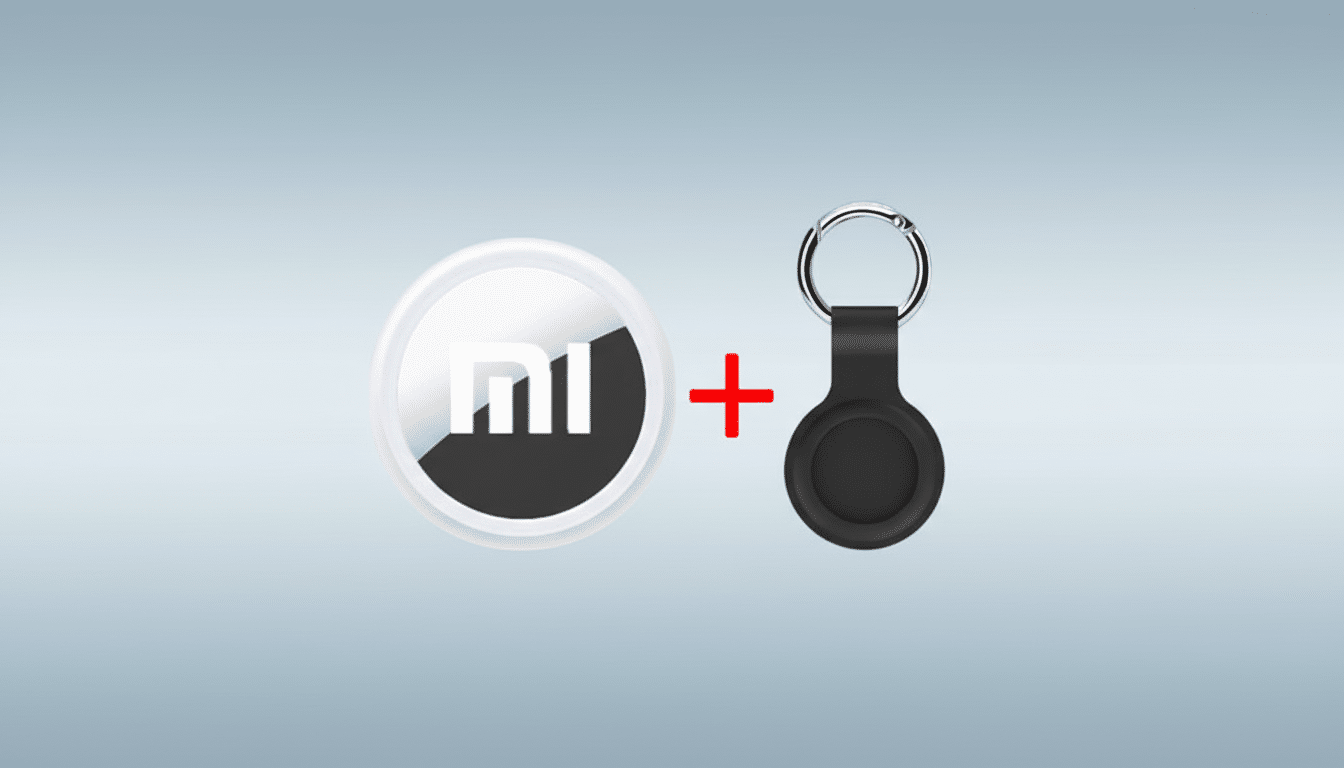
Xiaomi now seems on course to release its first consumer tracker (referred to as “Xiaomi Tag” if the information shared by the Weibo leaker Repeater 002 is anything to go by). Though details are scarce, the move is in line with Xiaomi’s strategy of spreading its bets and filling out its ecosystem with small but sticky accessories that tie closely into its phones, wearables, and smart home gear.
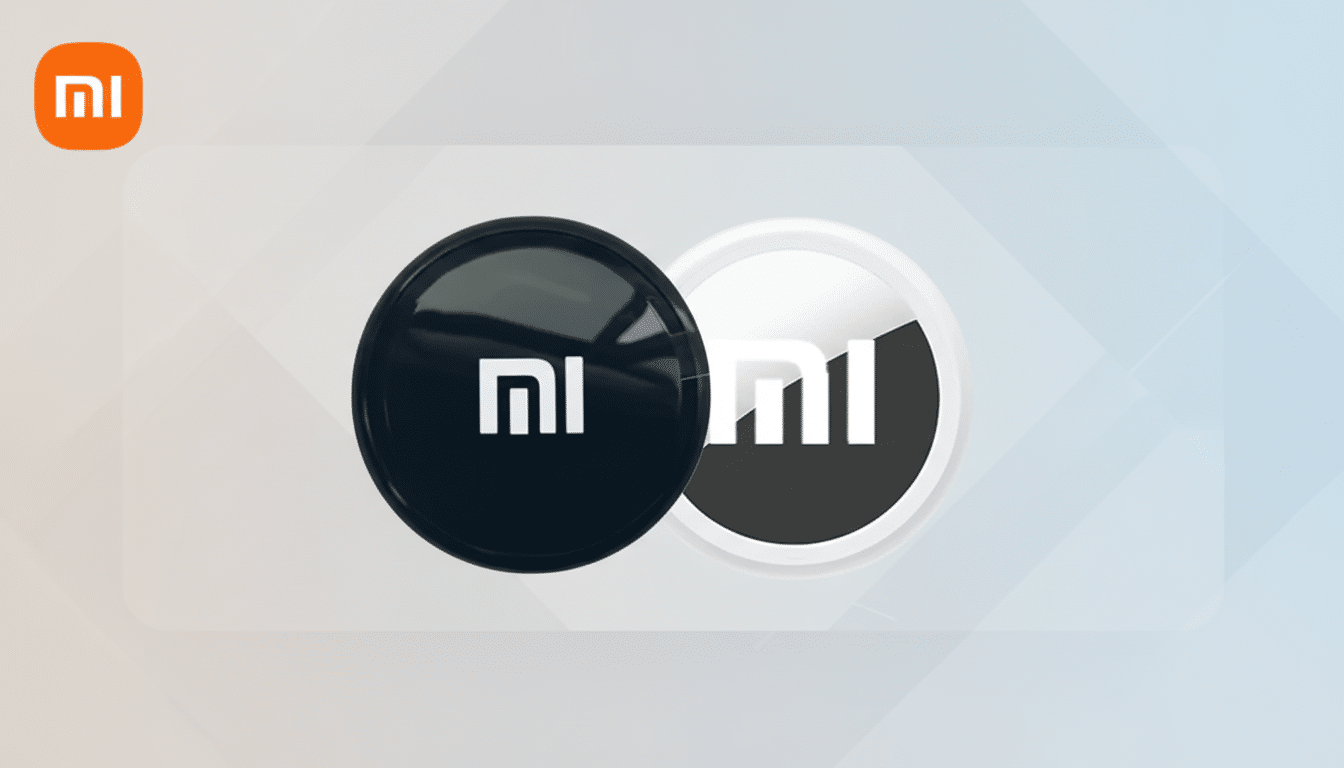
The most promising backbone for a Xiaomi Tag would be Google’s reformulated Find My Device network, which recently went live around the world with third-party support and anti-stalking protections. Google has boasted of a base of billions of active Android devices, and that density is the whole ballgame for trackers — more phones within range means more location pings, on a tighter schedule, for lost items.
Look for Xiaomi to tout easy setup on its phones and tablets, potential automation hooks through its software, and aggressive pricing.
For context, Apple’s AirTag stands alone at $29 or four for $99, while early Find My Device–compliant tags from Chipolo and Pebblebee fell in the ballpark as well.
Moto Tag 2 Leak Teases New Design, Colors, and Battery Gains
There is a Moto Tag out now by Motorola, but given that Kosner chose to show this off, it looks updated and ready for prime time.
Android Headlines released what’s believed to be the first marketing image of a second-generation Moto Tag, which is available in a circular puck design and new orange or beige finishes. The publication reports that precision tracking and battery life are better than the original.
On the technical side, today’s trackers typically use Bluetooth Low Energy (Bluetooth LE) for range and battery energy efficiency, optionally combined with Ultra Wideband (UWB) for pinpoint “precision finding” on compatible phones. Language has been modified to clarify the optional nature of UWB.
If Motorola includes UWB, it could improve accuracy at close range significantly — if, that is, your phone has a UWB chip. The ability to be able to take the thing in the pool, and IP67 water resistance, and a replaceable coin cell are table stakes for this category as well.
The Tracker Battlefield Is Shifting as Android Catches Up
Since 2021, AirTag has set a new standard for consumer expectations around easy pairing, location on demand, and finding with precision. Apple now boasts over 2 billion active devices across its ecosystem — and that’s more than enough coverage for the Find My network. On that scale, plus tight OS integration, that’s why AirTags can work so well if you live inside of Apple’s world.
Android’s reply has been slower, but it’s finally catching up. Google’s new Find My Device network is currently built upon a growing number of third-party devices and leverages the vast Android installed base (publicly acknowledged in billions). Which would put brands that we’re used to associating with pretty good tech in position to serve up the kind of AirTag-like functionality for Android without also making everyone use their hardware. It also puts pressure on incumbents like Tile and Samsung’s SmartTag to improve their offerings.
Real-world usefulness will depend on a few things: how dense the network is in your area, whether both the tag and phone support UWB, and how long its battery life lasts. Because in real-world use, the difference between “good enough” and “great” often really does come down to how quickly lost items are getting fresh location pings when they’re on the move.
Privacy and Safety Are Never a Compromise
Trackers straddle a line: In the case of keys and bags, they’re indispensable, but it’s easy to see how these things could be abused. After a couple of well-documented mishaps, Apple and Google this year came together to create an industry specification for unwanted tracking pop-ups. Now, both iOS and Android warn users when it seems like an unknown proxy tag is following them around, and the spec calls for moving tokens to keep their owner in the loop by periodically emitting an audible alert or rotating BLE identifiers that make it harder for random hangers-on at a location or place of business to figure out who you are without doing more legwork (like cracking your pairing lock).
For any Motorola or Xiaomi tracker that gets released starting today, there should be a reckoning with how well it adopts those protections. Look for marketing to stress cross‑platform alerts, a fast scan of unknown tags, and clear escalation paths if users sense they may be at risk.
What to Watch Next for Xiaomi Tag and Motorola Moto Tag
Neither company has shared a launch window, though telltale signs of products — Bluetooth SIG listings, FCC certifications, and retailer leaks — typically crop up weeks ahead of retail availability. Watch to see if either brand officially confirms UWB, what kind of battery it’s powered by (CR2032 is a popular choice), water‑resistance ratings, and whether either one will support Google’s Find My Device out of the box.
So long as those prices are in line with what the market looks like today and feature lists remain competitive, Motorola and Xiaomi could offer Android users their most compelling AirTag alternatives yet — ones that are underpinned by a network that is finally big enough to actually be useful every time your keys slip between the couch cushions.
