


Whole Foods Market is rolling out smart food waste technology to its produce aisles, thanks to Mill’s sensor-enabled bins that measure, reduce, and repurpose what doesn’t sell. As the rollout continues, real-time tracking of waste coexists on site with a dehydrating and grinding process that renders unsold fruits and vegetables into a stable ingredient bound for chicken feed employed by the grocer’s private-label egg suppliers.
The move has been backed by a new investment in Mill from Amazon’s Climate Pledge Fund, and the startup has raised roughly $250 million to date, according to reporting from Axios. Though it doesn’t compare the grocery store chains directly, for Amazon’s Whole Foods, the partnership combines operational data, sustainability goals as well as circular supply-chain dynamics under one program.
Why Reducing Grocery Food Waste Matters for Retailers
Grocery shrink is a stubborn cost center and a climate issue. Earlier analyses observed by the likes of NRDC have put U.S. retail food waste in the neighborhood of 43 billion pounds a year — about 10% of what shops stock — and much of it is highly perishable produce. The E.P.A. states that food is now the single largest material in U.S. landfills, where it creates methane, a climate pollutant that over the short term is far more powerful than carbon dioxide.
Retailers have for years turned to donation programs and composting as a way to deal with overages. Such efforts are helpful, but tend to take place after the most valuable fixes could have prevented waste in the first place — better ordering, merchandising, and handling. That’s where measurement comes in.
How Mill’s System Works in Produce Departments
Mill’s commercial bins are for produce departments — it’s where shrink is concentrated.
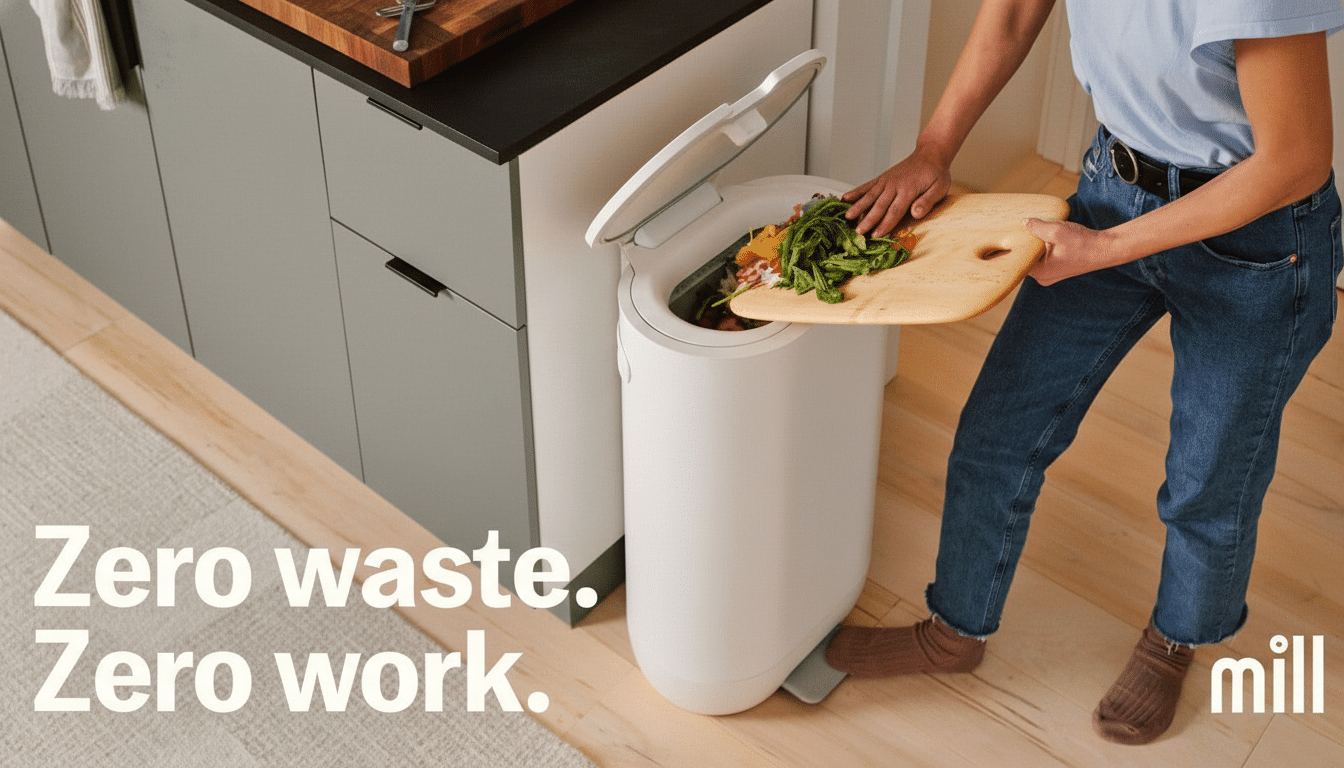
Employees feed leftovers and unsold food into a sealed unit that dehydrates the material through heat and airflow, grinding it into dry, shelf-stable grounds. Sensors and software aggregate volumes and categories of waste, giving a living picture of what is being lost when and where.
Rather than sending those grounds off to compost or landfill, Mill mixes them into a feed ingredient. Routing the output to Whole Foods’ private-label egg supply chain, the program has closed a loop within the retailer’s ecosystem, slashing disposal costs and offsetting some conventional feed demand.
Using Data as a Tool for Reducing Grocery Waste
For retailers, the quickest reductions quite often fall out from measurement-informed decisions: right-sizing orders, refining planograms, adjusting prep practices, and optimizing markdown timing. The nonprofit group ReFED, which focuses on food systems data, names waste tracking and analytics as one of the most cost-effective interventions available to grocers — an investment that can pay for itself quickly through a reduction in shrinkage and labor inefficiencies.
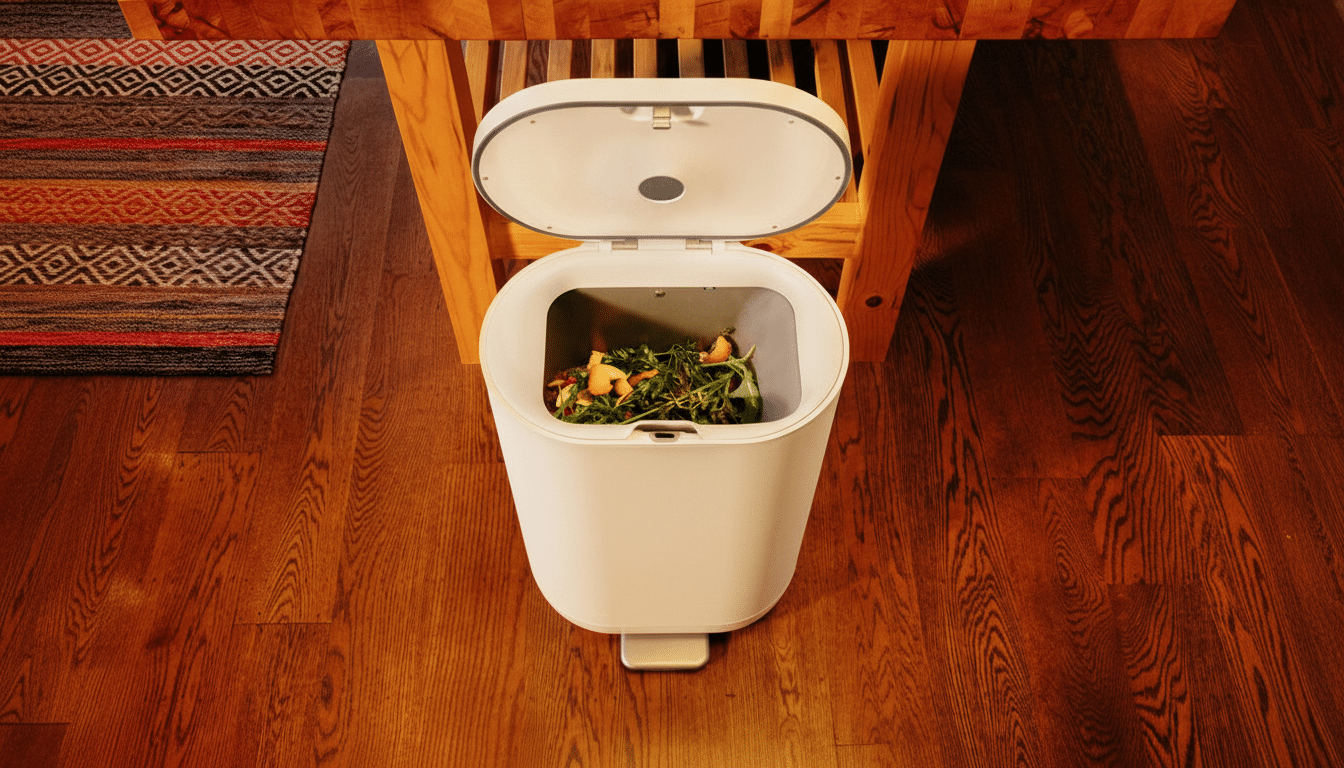
With Mill bin-level telemetry, produce teams can spot trends — say, items that tend to miss their sell window over and over again, or prep routines that yield outsized trimmings, or seasonal mis-forecasts — and take action on them. Small-percentage improvements add up fast in high-volume categories. Every one percent reduction in shrink equals greater gross margin, reduced hauling fees, and less backroom congestion.
Climate and Circularity Impact of Food Waste Solutions
Curbing waste at the source is the greatest climate lever we have, but repurposing that which you can’t avoid also matters. Multiplying produce residuals into a feed ingredient may nudge aside some of the conventional inputs to feed — and they, too, come with their associated land, water, and emissions footprints. Keeping organics out of landfills is also a key way to cut back on methane, identified as a priority in federal methane reduction strategies and by leading climate research organizations.
There is also a circle here — what doesn’t sell in the produce aisle goes to be part of the feed for hens laying eggs sold back on the shelf, giving customers and suppliers a narrative and an operational path they can wrap their minds around.
Investment and Industry Signal for Smart Waste Tech
The Climate Pledge Fund of Amazon has focused on technologies that can scale decarbonization across logistics, materials, and energy. Tacking on Mill to that roster indicates a belief in digitized waste management’s transition from pilot novelty to everyday infrastructure in food retail.
Whole Foods has long been running donation channels and composting programs; measuring and optimizing feed conversion takes the strategy from back-end mitigation to closed-loop resource management. If the deployment shows shrink, cost savings, and emissions reductions, expect copycats. Grocery is a low-margin business — solutions that reduce wastage while generating a usable byproduct tend to go viral.
The stakes are obvious: better data, less waste, and a more closed-loop supply chain. As Mill’s bins go to the produce department, and new capital comes in for scaling, the grocery floor itself is evolving into a node in a smarter, lower-carbon system of food.
