


Meta plans to mine conversations you have with its AI assistants to fine-tune the ads and recommendations you see throughout Facebook and Instagram, with no traditional opt-out for users who continue using those AI features. The new signals will help the company infer what you care about right now so it can show you more relevant content and ads, the company says.
What Meta Plans to Use for Targeting and Ranking
Chat prompts and exchanges from Meta’s AI tools, like the assistant natively integrated into Facebook, Instagram, and search, will be future inputs for ad targeting and feed ranking. If you ask Meta AI how to plan a family trip, for example, you could see more travel-related Reels, creators, and ads shortly after that. Meta’s privacy and data policy team has cast this as an extension of how it already uses activity signals to personalize content.
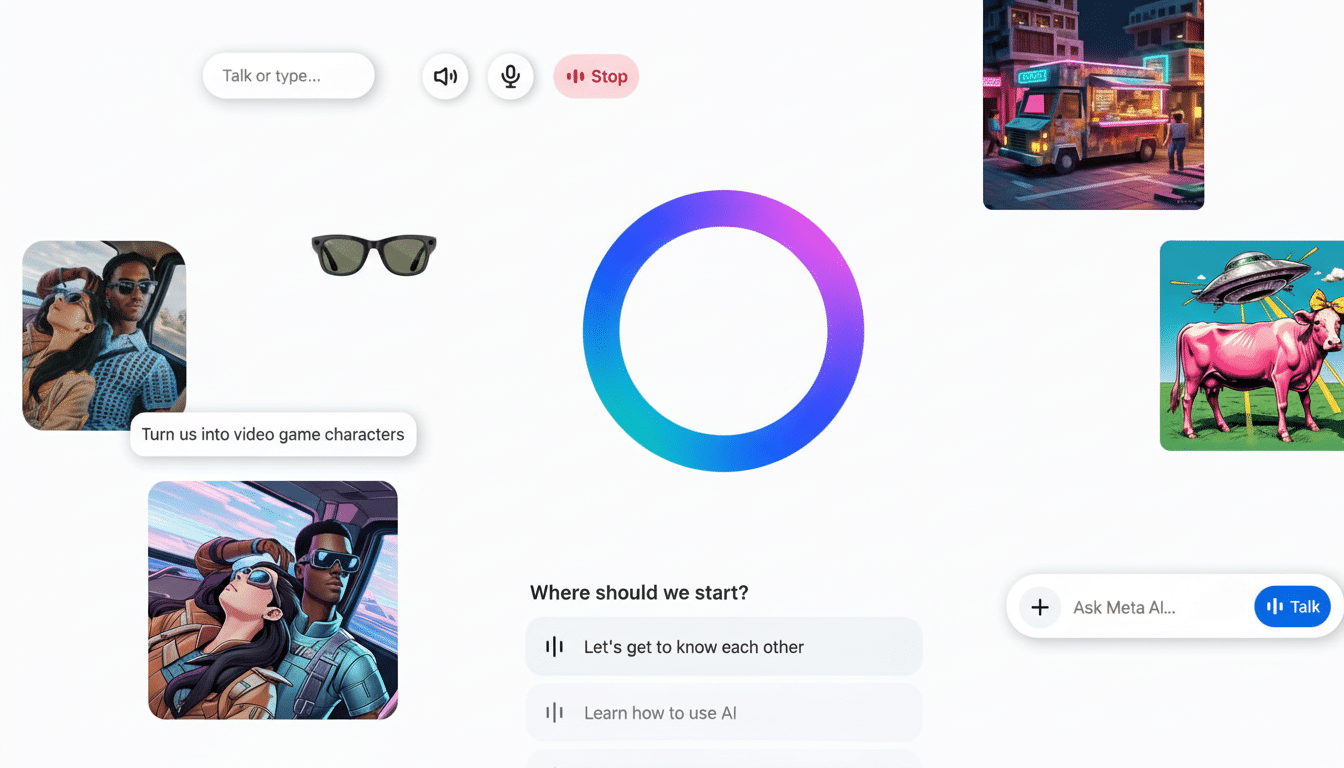
The policy extends to voice activities recorded using Ray-Ban Meta smart glasses. Queries and commands spoken through the glasses can influence what appears in your apps, a reminder that Meta is weaving together signals from chat, voice, and on-device assistants.
No Opt-Out Raises Privacy Questions for Meta Users
Users will see in-app notices ahead of the change, Meta told CNBC, though the only way to prevent this kind of personalization is not to use Meta AI or delete your account. That position is sure to invite scrutiny from privacy advocates, who say conversational data can reveal sensitive inferences about health, politics, religion, or sexuality — categories that European regulators consider “special” and deserve protection.
Meta says that it looks to be transparent about the shift and that its ad policies prohibit targeting based on such sensitive personal categories. Still, turning private prompts into behavioral signals pushes the other way against principles like data minimization and purpose limitation as outlined by the European Data Protection Board. In the EU, Meta already gives consent-driven options for personalized advertising as a result of past regulations, so regional variations or more options around AI chat data might be required in order to meet GDPR.
In the United States, the Federal Trade Commission has cautioned that companies should not exaggerate how their AI systems gather and use data from consumers. State privacy laws like the CPRA and Colorado’s privacy law pile on some of these obligations around profiling and targeted advertising, even when much of Meta’s use in this case is first-party rather than cross-context. Expect watchdog groups like NOYB and civil society researchers to dig into how Meta is defining “sensitive” chat content and what it filters.
How This Alters Ads and Recommendations Across Meta
For advertisers, intent from chat is like striking gold. It is fresher than traditional interest categories and often more explicit. When millions of people suddenly need gift ideas, or tips on where to dine at night, or what hiking gear to buy, Meta can guide its recommendations and auction dynamics in near real time. The company has promoted high returns from ad products powered by AI, including Advantage+, and the internal case studies that circulate often reflect substantial double-digit improvements in cost per action when there are richer signals to do so.
The trade-off is “creepiness.” When an ad reflects a conversation you had minutes earlier with a chatbot, things can get eerie. Meta says it will not let advertisers see your individual chats and that it will use ranking models instead of having direct readouts of conversations. Yet the perception gap is significant. Studies conducted by the Pew Research Center have concluded time and again that majorities of social media users object to data practices when they feel opaque or out-of-control — a sentiment that can create distrust, even if the practice is technically compliant.
WhatsApp and Devices Are Not Treated Equally
Meta says WhatsApp conversations with Meta AI will not contribute to targeted ads or recommendations unless a user connects WhatsApp to other Meta apps, extending the platform’s stance on end-to-end encryption and its long-standing awareness of message privacy. Those on Facebook and Instagram and inside Meta AI experiences, however, are fair game to be personalized under the new approach.
Device inputs add another wrinkle. There are also voice prompts from Ray-Ban Meta smart glasses that can be deployed to affect what you see elsewhere later in-app, knitting the physical world to ad targeting. That extends Meta’s “first-party signal” footprint beyond taps and views to spoken intent — a particularly powerful signal for local and experiential advertising.
What to Watch Next as Meta Rolls Out AI Ad Signals
Meta AI now has more than 1 billion monthly users, according to the company — which means even tiny changes in data use can have effects that undulate across massive populations. Check for in-app notices that describe how chat data is used to personalize experiences. Pay close attention to any new settings for:
- Excluding certain chats
- Deleting recent AI activity
- Opting out on a regional basis
Regulators will want to know:
- How long chat data is kept
- How the most sensitive categories are identified and excluded
- Whether users get meaningful choice
Advertisers, for their part, will watch to see whether signals derived from chat can drive better conversion without incurring blowback. The bottom line is straightforward even if the mechanics are not: By converting AI conversations into ad fuel, Meta is wagering that rich data about intent will overcome mounting user discomfort with how those words are used.
