


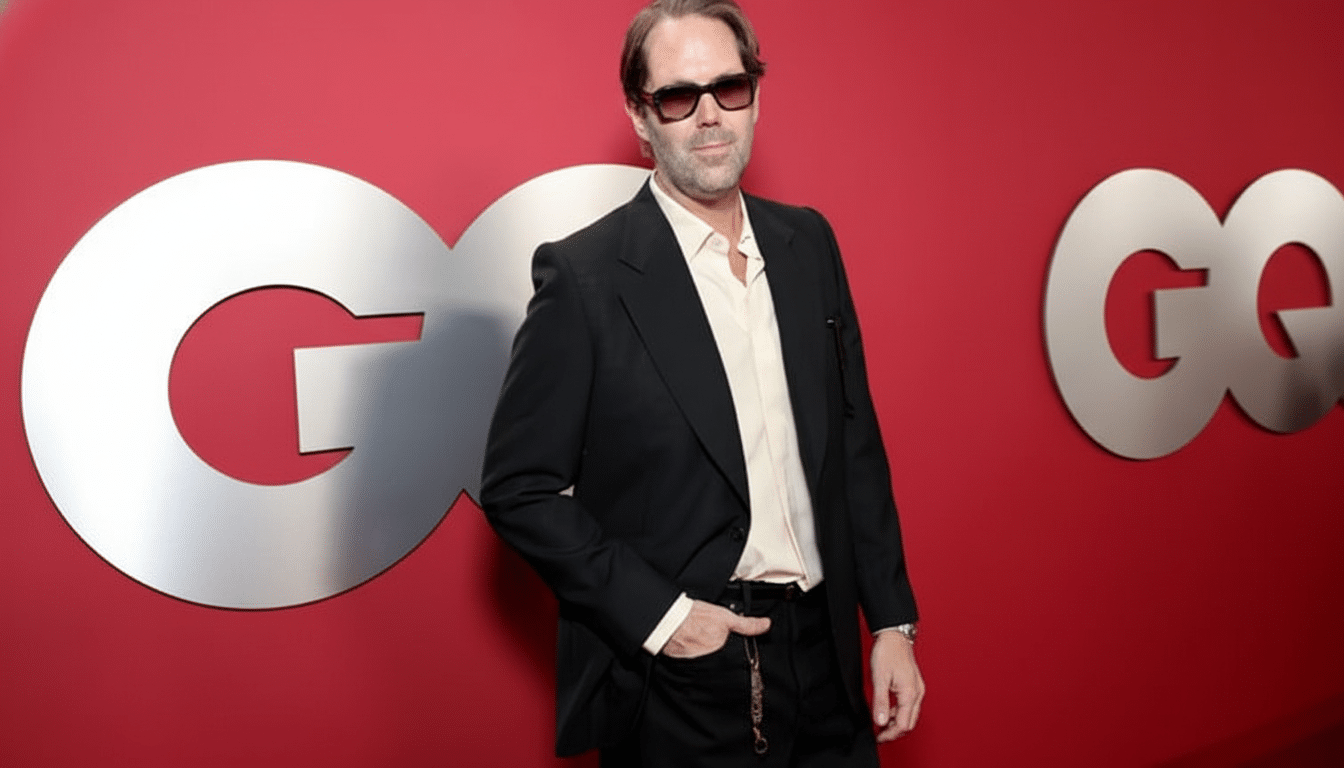
Meta has brought on longtime Apple design head Alan Dye to lead a new creative studio within Reality Labs, part of the company’s push to integrate AI with the next wave of wearables and mixed reality hardware. The hire, reported earlier by Bloomberg’s Mark Gurman, puts Dye under the company’s Chief Technology Officer Andrew Bosworth and signals Meta’s willingness to invest in interface design as computing shifts to AR, VR, and AI.
Why Alan Dye Matters for Meta’s Interface Future
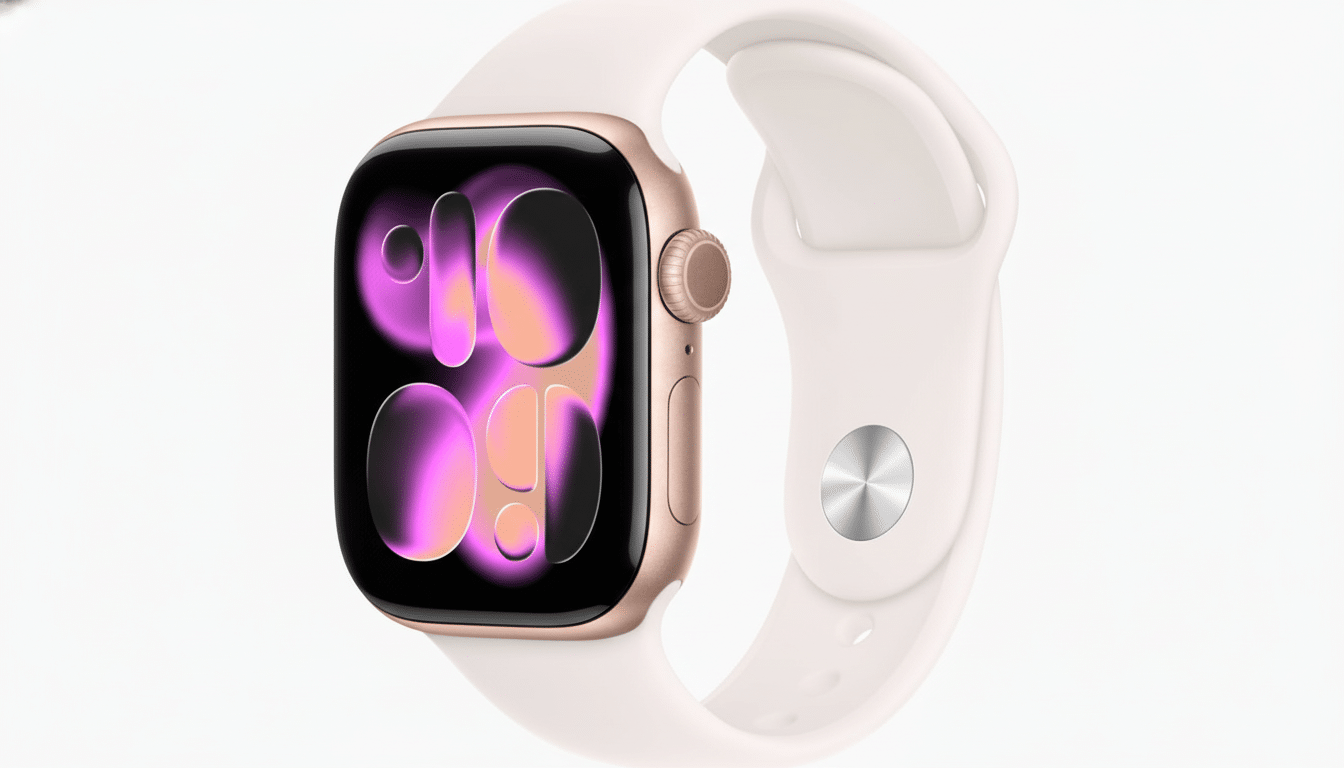
For the past ten years, Dye has been leading Apple’s Human Interface group, which is responsible for all design across iOS, iPadOS, macOS, and more — covering the software on products that hundreds of millions of people use every day. His time at Apple spanned the post-skeuomorphic era to Apple’s now successful minimal, motion-rich language and the creation of brand-new interaction models for Apple Watch and Vision Pro.
At Meta, Dye’s remit is more expansive than gluing together pixels. He will help Reality Labs create the elements by which people control AI assistants on their faces and in rooms — via voice, gaze, gesture, and even subtle physical intent — all without screens to mediate that communication. By recruiting an executive who shipped cohesive interfaces across a variety of device categories, Meta has a creditable shot at unifying its expanding hardware portfolio.
Apple, meanwhile, is turning to longtime designer Steve Lemay to replace Dye and ensure continuity within a team that has quietly shepherded nearly every major Apple interface since the late 1990s. That implies Apple wants a steady hand in building more AI into core experiences.
Inside Meta’s New Creative Studio for AI and XR Design
Mark Zuckerberg introduced the studio as an interdisciplinary practice that combines design, fashion, and technology — an explicit effort to refashion taste and craft next to systems thinking. Dye will work with leaders who already shape Meta’s hardware and experiences, such as Billy Sorrentino and Joshua To on interface, industrial design lead Pete Bristol, and metaverse design and art teams led by Jason Rubin.
The studio’s guiding star is to treat intelligence as a design material: designing products where AI isn’t something that is tacked on, but rather an essential foundation that helps shape how you interact with a product, your context, and personalization.
Expect that work to land initially in Ray-Ban smart glasses and Quest headsets, which Meta has been rapidly pushing with multimodal features like hands-free capture, real-time translation, and assistant-style prompts.
The Competitive Stakes in AR, VR, and AI Interfaces
Meta’s Reality Labs has spent copiously for years: the company’s filings show over $40 billion in cumulative operating losses since 2019 as it makes silicon, optics, operating systems, and content. The bet is that lightweight glasses and context-aware AI can become mainstream computing, rather than a niche accessory.
Momentum is real but uneven. IDC estimates indicate that Meta has shipped tens of millions of Quest headsets overall, cementing the product’s brand name as VR’s volume leader alongside unit sales growth, while Ray-Ban Meta glasses have proliferated as a “daily wear” AI device. On the other end of the spectrum, Apple’s Vision Pro flung open a high-end spatial-computing path with shipments in the low hundreds of thousands for its first year at least, by multiple analysts’ estimates. Dye’s hiring is a clear indication of how Meta believes that winning will not simply be about sensors and models, but will rest on humane interaction design that makes AI feel obvious, trustworthy, and delightful.
Meta has also been making aggressive hires in AI throughout, including from rival research labs and its work on a family of models called Llama. Dovetailing those capabilities with one unified design language is the next hill to climb as the company leans into on-device and edge AI to minimize latency, respect privacy, and allow for offline features.
What Success Might Look Like for Meta’s AI Wearables
Expect the studio to pursue zero-friction interactions: glance-based UI for heads-up notifications, ambient summaries that preserve context and not just content, and camera-first interactions for translation, ID, or scans without tapping through menus. Battery life, heat, and social acceptability will be powerful constraints; design as much as engineering will have to make room for them.
Real-world examples are already emerging. “We are moving from voice-activated capture to AI that knows scenes and objects,” Meta says of its Ray-Ban glasses. Quest headsets are doubling down on mixed reality passthrough and hand tracking to lessen the need for controllers. With Dye in charge, you can anticipate these sorts of experiences being more tightly integrated with one another and having a cleaner visual and behavioral identity on these various devices.
What It Means for Apple’s Design and AI Roadmap
Apple’s design organization has generally managed to absorb big transitions without losing its center of gravity, and promoting Steve Lemay seems to speak more of continuity than radical change. As Apple continues to embrace generative features across its platforms, the company will likely double down on disciplined, privacy-focused abstractions that make AI potent but unseen.
For the industry, Dye’s job shift is a warning that the next battlefront of competition will not be conquered simply by the greatest model performance or the most advanced hardware specs, but by teams that can convert capability into everyday behavior. Now Meta is betting that a recharged design culture — supported by serious AI and hardware investment — can bridge the gap and set the stage for how we’ll wear and work with computers next.
