


Meta is introducing a new software feature for its Ray-Ban Meta smart glasses designed to solve what reads as a classic “cocktail party” problem. It’s conversation focus, and it’s designed to help you hear the person you’re talking with in a loud, chaotic situation by selectively boosting that speaker’s voice against ambient sound.
Edit: In practice, conversation focus quietly raises the volume of a voice close by while cancelling out distracting noise: think noisy cafes, busy sidewalks, or a packed train. Wearers can fine-tune the intensity either in settings on-device or by swiping along the right temple, making adjustments subtle and hands-free.
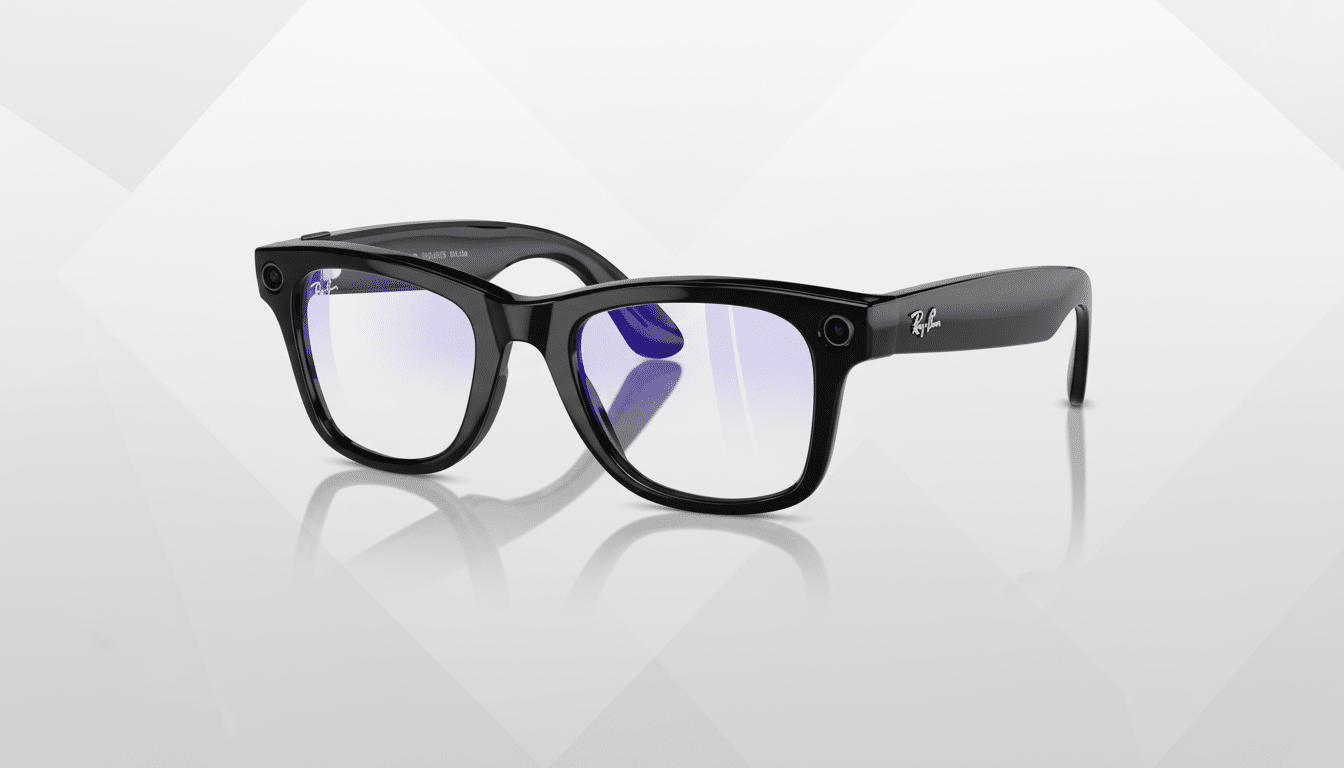
How conversation focus works on Meta Ray-Ban glasses
We don’t have the full technical spec from Meta, but it’s based on proven audio signal processing in top-shelf hearables: multi-mic beamforming to steer toward a head-on voice source, VAD to sync up to speech, and adaptive gain control to amplify a desired voice without distortion. Among the specs of Ray-Ban Meta glasses is a multi-mic array that specifically aims to deliver clear calls and video recording, a hardware bedrock that enables targeted amplification.
The amplification is purposefully subdued — enough to pull out a conversational partner from the din, but without turning the frame itself into a loudspeaker. The touch gesture on the right temple is swift, so wearers can pump it up in a crowded rush-hour station and dial back once they’re outside.
Why conversation focus can improve accessibility in noise
Hearing well in noise is difficult even for longtime hearing-aid users and is essentially an insurmountable barrier for millions of people who cannot hear as well as they would like. Fifteen percent of U.S. adults — about 37.5 million people — have some trouble hearing, according to the National Institute on Deafness and Other Communication Disorders, while the World Health Organization reports that 1.5 billion worldwide live with hearing loss. Conversation focus isn’t a medical device or an alternative to hearing aids, but it can effectively mitigate the effort of listening in typical social situations where hearing is unnecessarily strained.
Meta has previously cited its smart glasses as an assistive device, having teamed up with Be My Eyes to offer blind and low-vision people live assistance from a camera built into the headgear. Conversation focus follows that arc of accessibility all the way to hearing, turning the glasses into more than just a camera or assistant trigger and, forward, a step toward everyday assistive tech.
How it compares to hearables like earbuds and headphones
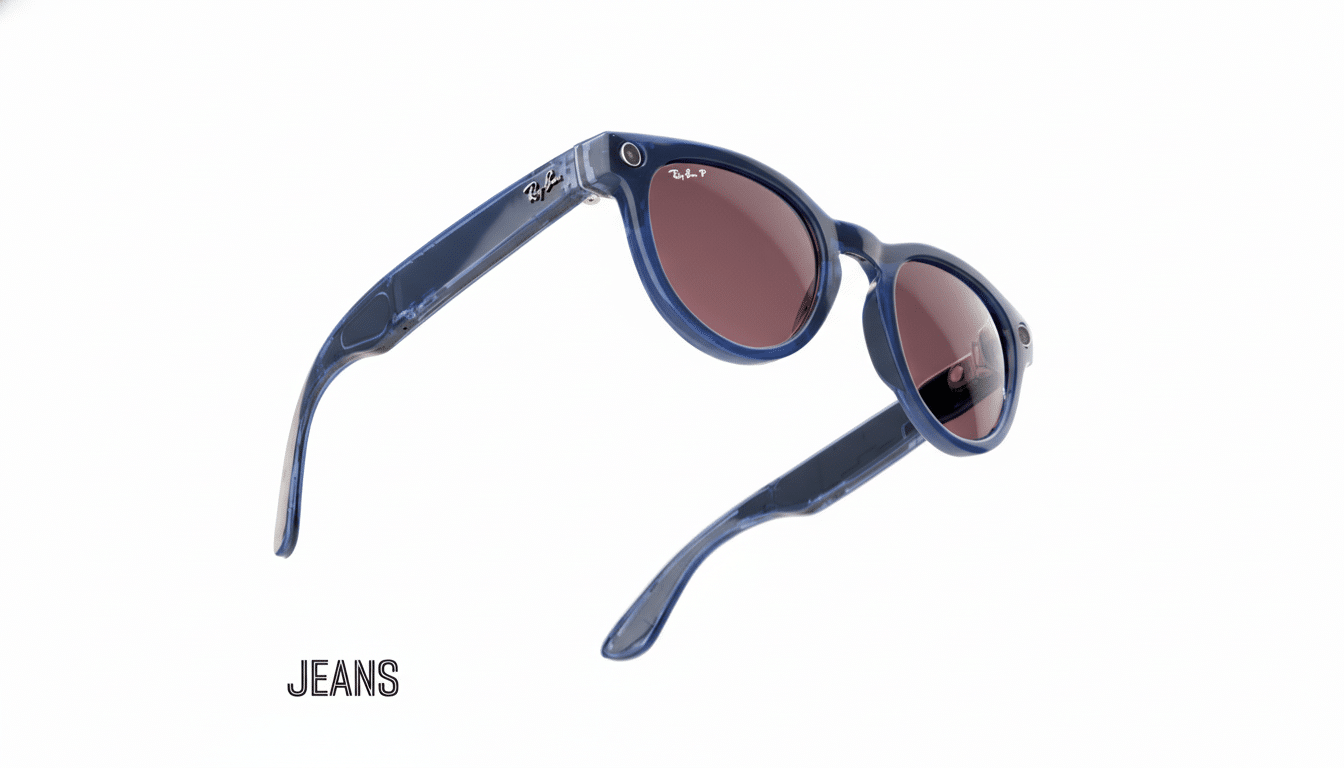
Conversational enhancement is a feature that has been present in some earbuds and headphones recently, thanks to Apple’s Conversation Boost on AirPods Pro and forward-facing focus modes from Bose and Sony. Meta’s version is in glasses that have open-ear audio, so users retain the ability to hear what’s happening around them while avoiding the social friction of donning earbuds for an in-person chat. The trade-off is subtlety: open speakers let a certain amount of sound spill out, so Meta’s careful gain is by design to maintain the naturalness in the interactions.
The larger trend is clear: consumer devices are mixing convenience features with light assistive features. With the U.S. over-the-counter hearing aid market expanding on initial FDA rule changes, a pair of mainstream devices that can lower listening effort — no clinical fitting required — is costing way less than between “no help” and “medical device.”
Privacy considerations and real-world use of the feature
Equipment that improves the way you pick up audio will quickly come under the microscope.
Privacy advocates, such as the researchers at the Electronic Frontier Foundation, have long warned about always-on microphones in public places. Meta’s glasses have a front-facing LED that signals when video capture is on, and conversation mode is an audio processing setting, not a recording feature — though users should of course remain considerate of local norms/consent, particularly in more sensitive scenarios.
In the real world, conversation focus is most useful in predictable bursts of noise: ordering from a busy counter, catching up with a colleague on a trade show floor, glancing at a train announcement while chatting with friends. The ability to swipe for more or less boost ensures the action remains fluid, rather than fiddly.
Availability, early access, and what’s next from Meta
The feature is initially being made available to those who are part of Meta’s Early Access Program in the U.S. and Canada. Early access seeding indicates Meta wants feedback on real-world performance in a range of acoustic environments before broader availability. If past updates are anything to go by, you can expect iterative tuning along the way as Meta checks out usage data and fine-tunes the balance between clarity, comfort, and battery impact.
For smart glasses to be anything more than a novelty, they have to address those mundane problems with more skill than the phone you carry in your pocket. And focusing on conversation is a step, quite literally, in that direction — something that works behind the scenes to make conversations easier to hear when you most need them.
