


Meta has eliminated more than 1,000 roles in its metaverse unit, Reality Labs, marking one of the most consequential shakeups since the company rebranded around virtual and augmented reality. The cuts, disclosed to employees in an internal memo from Chief Technology Officer Andrew Bosworth and reported by Bloomberg, target teams tied to virtual reality content and platform development.
The restructuring includes shuttering several first-party VR game studios, including Sanzaru Games, Twisted Pixel, and Armature Studio, according to people familiar with the changes. It signals a strategic pivot away from building large volumes of in-house VR titles and toward devices that blend AI and lightweight augmented reality features.
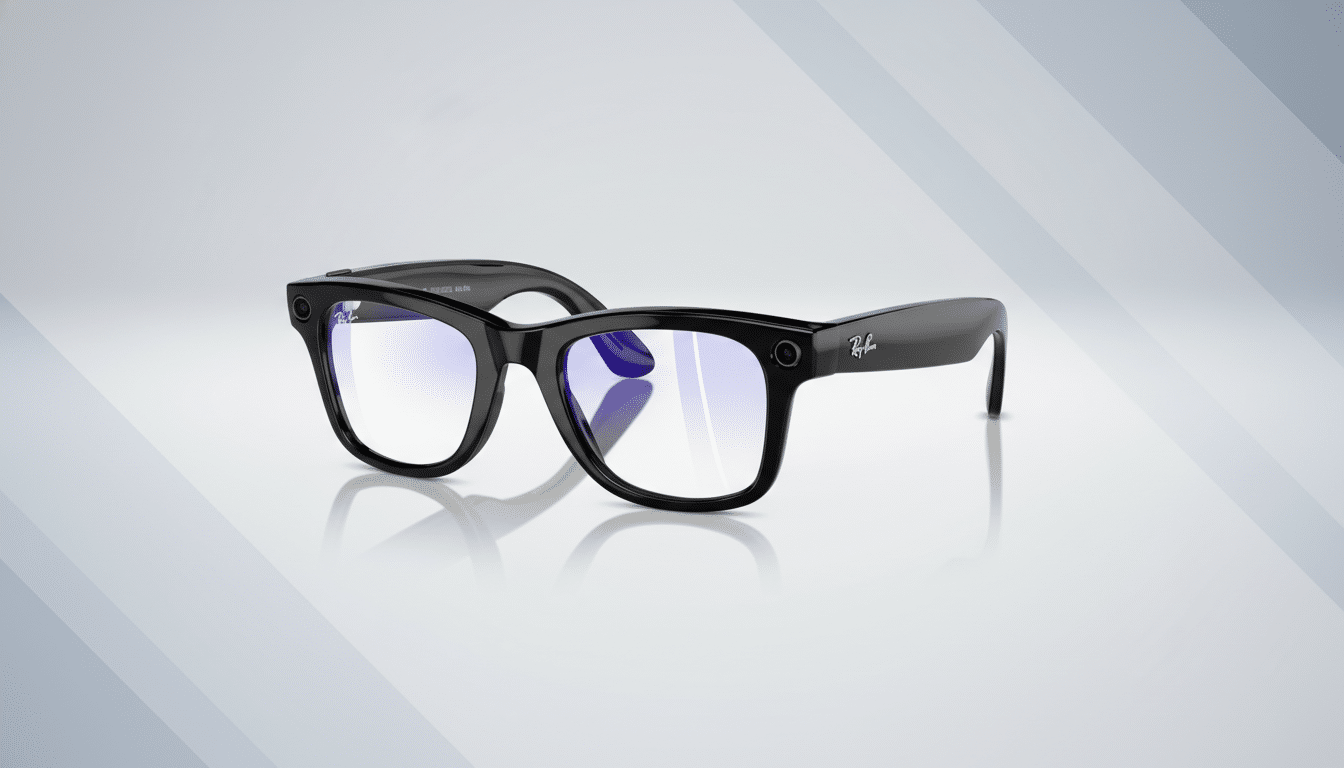
Reality Labs Refocuses On Wearables And Smart Glasses
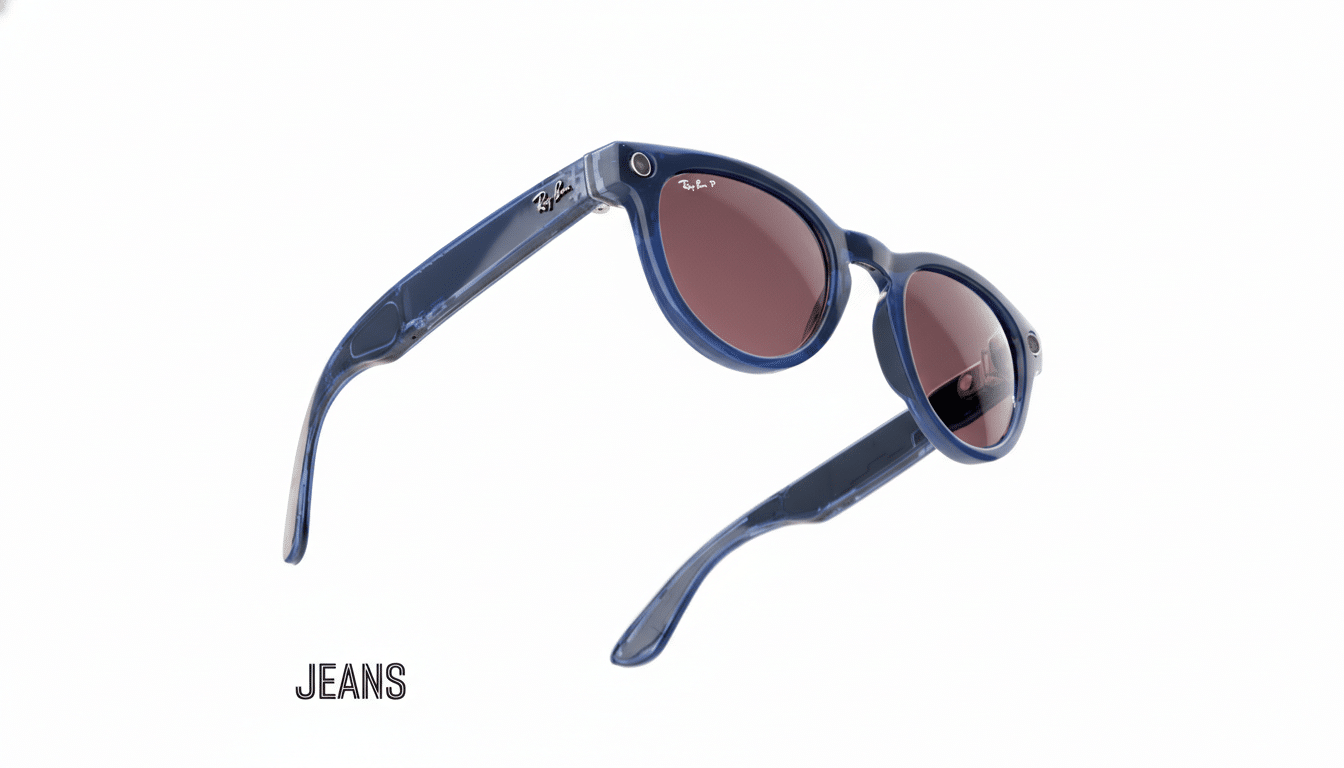
Meta’s leadership has been increasingly vocal about the traction of its Ray-Ban smart glasses and the potential of AI-driven, camera-enabled wearables to reach mainstream users. Expect investment to concentrate on glasses that can capture, translate, and answer questions on the go—capabilities users already associate with their phones—rather than on heavier VR headsets designed for lengthy immersive sessions.
The company’s recent briefings have framed glasses as a near-term on-ramp to a larger AR ecosystem, while fully immersive VR remains a longer-term bet. That recalibration reflects where consumer behavior is today: short, frequent interactions that augment real life, not prolonged time in virtual spaces.
The Cost Of The Metaverse Bet And Its Lasting Impact
Reality Labs has racked up heavy losses since Meta formally embraced the metaverse strategy. Company filings tallied by Engadget show cumulative operating losses exceeding $70 billion since 2021, even as Quest headsets found an audience among gamers, fitness enthusiasts, and early adopters.
Hardware cycles and content libraries have struggled to keep pace with expectations. IDC has noted volatile AR/VR shipment trends in recent years, with demand swinging on the arrival of new devices and price cuts. Meanwhile, premium entrants have not yet normalized the category: Apple’s device stoked interest in spatial computing but underscored how far the market is from mass affordability.
Studios Shuttered And A Thinner Content Pipeline
The closure of in-house studios removes a direct pipeline for flagship exclusives that help sell headsets. Sanzaru was best known for Asgard’s Wrath, a marquee RPG franchise in VR. Armature brought high-profile conversions like Resident Evil 4 into the medium. Twisted Pixel, a veteran developer, contributed to Meta’s effort to seed the platform with diverse genres.
Without that internal bench, Meta will lean more on third-party partners and external funding programs to keep the Quest storefront vibrant. That can work—console ecosystems thrive on independent studios—but it typically requires predictable tooling, competitive revenue shares, and marketing support to attract top-tier content. The layoffs suggest Meta will be more selective about where it places those bets.
Why The Pivot Makes Business Sense For Meta Today
Wearables fit neatly with Meta’s strengths in AI, camera software, and social sharing. Smart glasses promise high-frequency use cases—capturing a moment, getting step-by-step help, offloading a quick query—that drive daily engagement across Meta’s apps. They are also less capital intensive than funding large-scale VR game development and can iterate faster in hardware and software.
Crucially, glasses and lightweight AR features can scale with today’s networks and phones, while fully realized mixed reality demands expensive optics, custom silicon, and years of content subsidies. In a tougher cost environment, redirecting resources to a device that can ride existing social and AI flywheels is the pragmatic choice.
Implications For Developers And Users Across VR
For VR creators, the near-term outlook is mixed. Quest remains the largest consumer VR platform, but fewer first-party projects may mean less guaranteed work and more competition for storefront visibility. Expect Meta to emphasize system-level features—hand tracking improvements, mixed reality passthrough, and creator tools—while relying on external studios for tentpole releases.
For users, the signal is clearer: Meta will still support existing headsets, but its most aggressive innovation may arrive on your face in the form of everyday glasses. If that strategy pays off, the metaverse won’t disappear—it will simply get closer to the real world, one lightweight wearable at a time.
Meta declined to provide detailed headcount breakdowns by team. However, the scale of these cuts—and their focus on first-party VR content—underscores a decisive shift: the company is not abandoning immersive computing, but it is betting that the fastest path to millions of daily users runs through smart glasses and AI-assisted experiences rather than sprawling virtual worlds.
