


Memory training is moving from niche hobby to mainstream routine, and one app is trying to make it a daily habit for 2026. MemoryOS, the brain-training platform co-founded by two-time World Memory Champion Jonas von Essen, is rolling out an Expert Plan designed to turn proven techniques into bite-size, smartphone-ready sessions.
The pitch is straightforward: pair time-tested methods like the Mind Palace and spaced repetition with guided lessons, progress tracking, and light gamification so anyone can build recall skills in minutes a day. The company says more than 100,000 users have tried the platform and reports an average 70% increase in recall after training, figures that should be interpreted as internal results rather than independent findings but underscore growing interest in memory literacy.
Why Memory Training Works for Long-Term Retention
Memory is a skill set, not a fixed trait. Decades of research support the spacing effect, where revisiting material over expanding intervals improves long-term retention. Meta-analyses in Psychological Bulletin have shown distributed practice outperforms cramming across age groups and content types, and educational psychologists like Robert and Elizabeth Bjork have documented how “desirable difficulties” such as effortful retrieval strengthen learning.
The Mind Palace, also known as the method of loci, dates back more than 2,000 years. By placing information along a vivid mental map, you leverage spatial memory systems tied to the hippocampus. Related work from University College London famously found London taxi drivers developed structural differences in the hippocampus after intensive navigation training, a reminder that repeated spatial encoding can reshape memory systems.
Spaced repetition systems operationalize these insights, timing reviews right before you would forget. That timing combats the well-documented forgetting curve and makes retrieval a feature of learning, not a failure.
What MemoryOS Brings to the Table for Learners
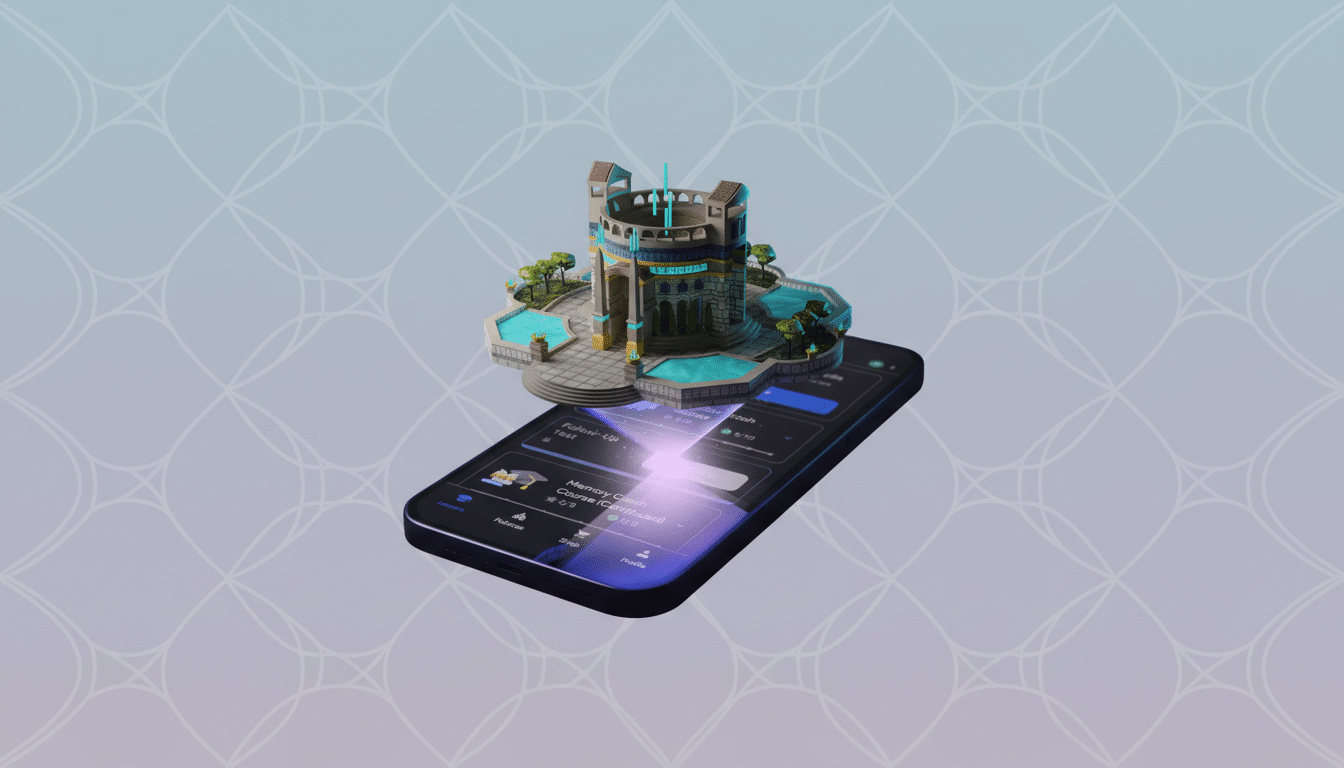
MemoryOS packages these methods into guided modules led by von Essen, who translates competition-grade techniques into practical routines. The app’s virtual Mind Palace lets users “place” facts within familiar spaces, while adaptive scheduling handles the logistics of spacing reviews so you don’t have to.
Short, gamified lessons reduce friction, a key reason so many digital learning plans stall. The company highlights its status as one of Kickstarter’s most funded app projects, signaling early community demand. While company-reported outcomes warrant independent replication, the design choices align with cognitive science: concrete imagery, active recall, and gradual difficulty increases tend to produce measurable gains in real-world studying, names, numbers, and languages.
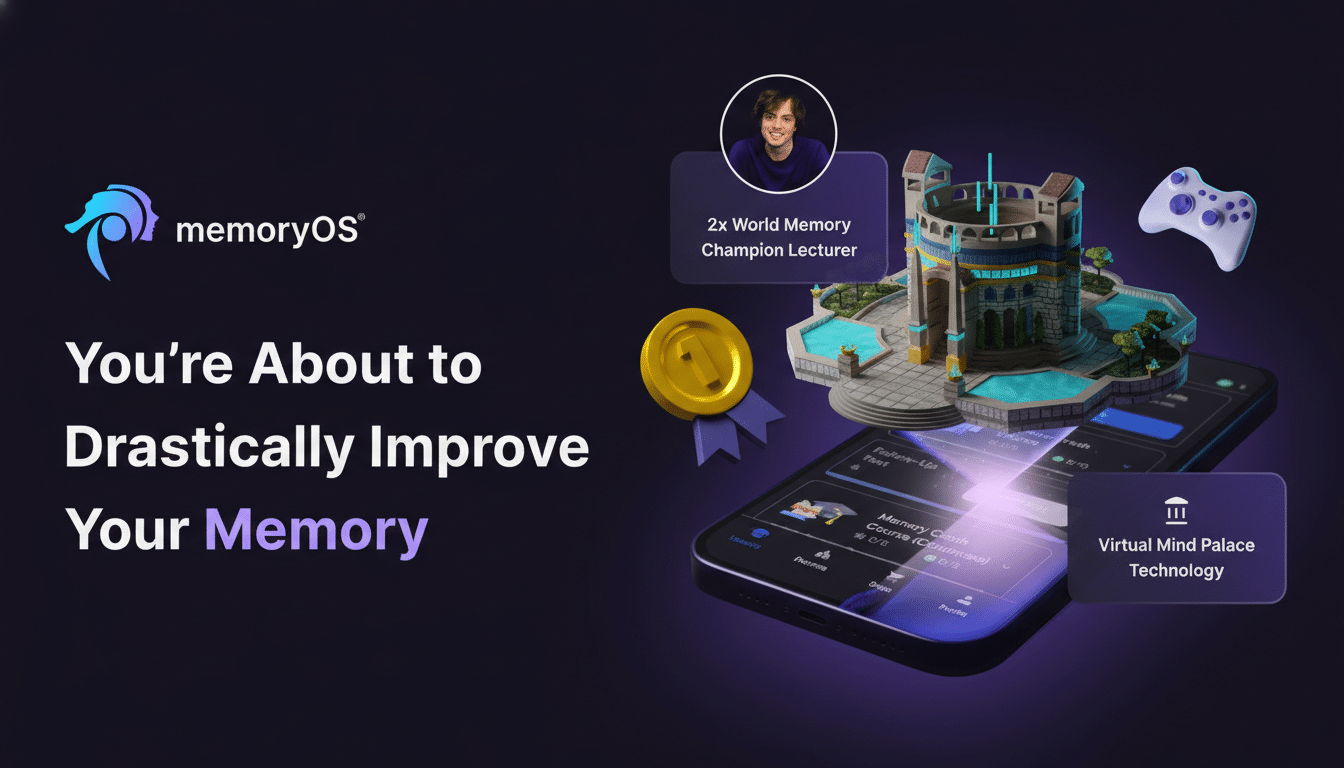
The multi-year Expert Plan is built around consistency. Longer access windows remove the start-stop cycle that undermines retention, allowing users to layer techniques across semesters, certification cycles, or professional projects.
How to Turn It into a 2026 Habit You Can Keep
- Start tiny: Commit to 10 minutes daily. Behavior research from University College London suggests habit formation can take weeks to months, with shorter, consistent actions sticking more reliably than ambitious sprints.
- Anchor to a trigger: Pair sessions with something you already do every day, like morning coffee or an evening commute. Consistent cues reduce the mental bandwidth needed to get started.
- Use active recall: After a lesson, close your eyes and retrieve the key points before checking the app. That extra retrieval step can make reviews more efficient.
- Schedule weekly “integration” runs: Apply techniques to real tasks—client facts, exam formulas, or new vocabulary—so you see immediate payoffs that reinforce the habit loop.
- Track one metric: Whether it’s streaks, recall accuracy, or the size of your Mind Palace, a single, visible indicator keeps momentum without overwhelming you with dashboards.
Who Benefits and What to Watch Before You Start
Students, language learners, sales and legal professionals, and anyone juggling names or technical details stand to gain the most. That said, experts caution against expecting global intelligence boosts from any app. A widely cited meta-analysis by researchers including Monica Melby-Lervåg and Charles Hulme found limited “far transfer” from working-memory training to unrelated cognitive abilities.
The takeaway is pragmatic: memory training excels when it targets the information you actually need. Techniques like mnemonics and method of loci deliver strong, task-specific improvements. For medical concerns such as cognitive decline, consult clinicians—digital practice can be supportive, not a substitute for care.
The Bottom Line on MemoryOS and Training Habits
MemoryOS is part of a larger shift toward evidence-informed learning tools that fit busy lives. By blending a virtual Mind Palace with spaced repetition and guided coaching, it lowers the barrier to practicing skills that experts have validated for years.
If your 2026 goals involve learning faster, remembering more, or simply feeling sharper day to day, a structured plan matters as much as the software. Start small, stay consistent, and use the app on the information that moves the needle for you. The habit you build will do the rest.
