


Startup MayimFlow, with backing from veteran infrastructure engineers, is launching an AI-based monitoring platform that has been designed to automatically forecast water leaks within a data center before they occur and provide operators with 24–48 hours advance warning in which to remediate the issue without interrupting compute workloads.
The company uses rugged internet-of-things sensors and edge-deployed machine learning to identify the subtle signatures that precede failures in chilled-water loops, humidification lines and heat-exchange equipment — systems that maintain the right temperatures for servers but can turn into single points of failure when a gasket starts to come loose or a valve fatigues.
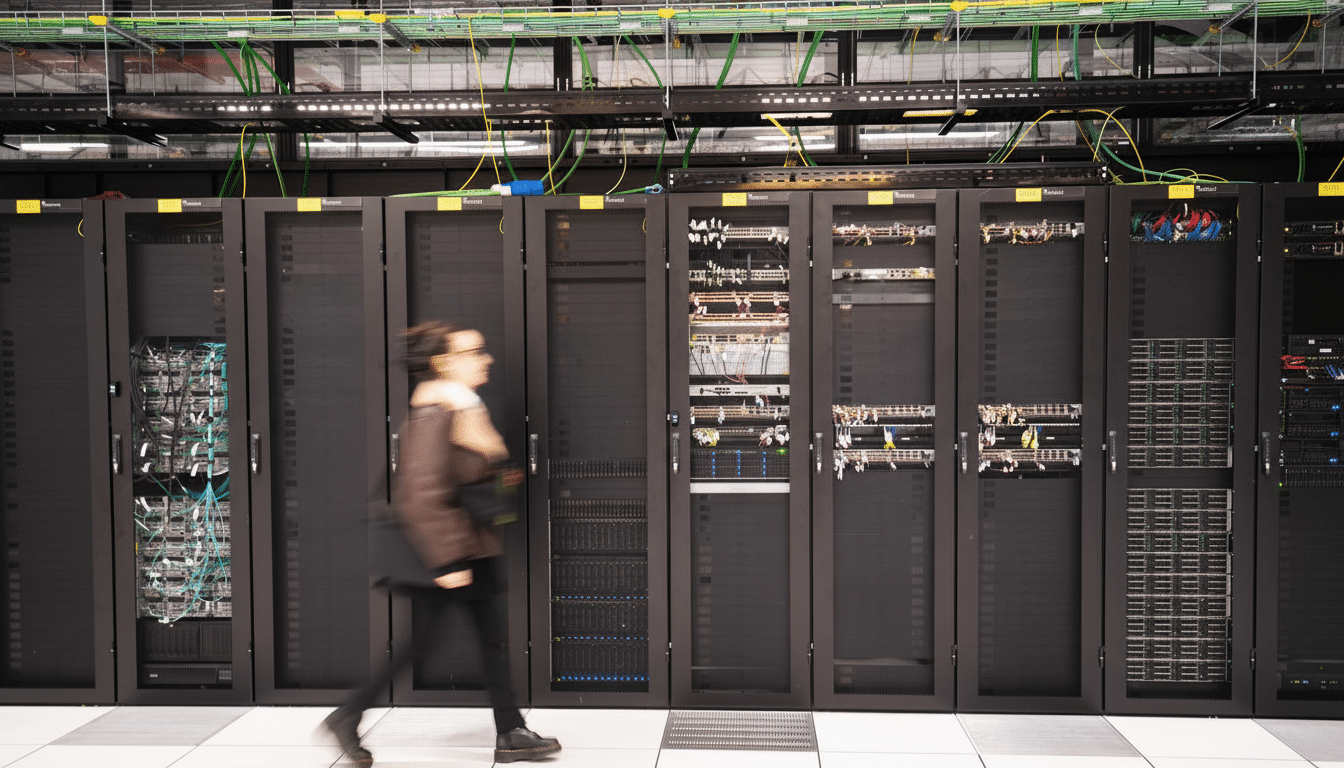
Why Stopping Leaks Is Now Mission Critical
Unplanned outages are the norm in the industry due in part to cooling-related accidents. The cost of outages has been creeping up, according to the Uptime Institute: An increasing percentage have a six- or seven-figure price tag. Short interruptions can have a snowball effect, resulting in lost transactions, missed SLAs and reputation damage that extends far beyond the repair window.
Water risk and sustainability also overlap. The Water Usage Effectiveness metric of the Green Grid focused minds on how much water is guzzled for each unit of IT load, and fixing leaks, make-up-water losses and reactive maintenance can help operators hold the line with WUE, even as demand for AI clusters mushrooms. And as campuses grow, a single unattended leak can be a costly waste of thousands of gallons and cause corrosion to downstream equipment.
Typical leak detection is reactive — drip strips, spot sensors or alarms that sound once water makes it to the floor.
MayimFlow’s pitch is to shift detection upstream, capturing the physics that lead up to a spill: pressure transients, micro-vibrations, flow irregularities, thermal deltas across coils and acoustic anomalies in valves and pumps.
Inside MayimFlow’s Predictive Stack for Leak Detection
Its nodes, the company says, monitor flow, pressure, temperature and vibration with high-frequency measurements and run models locally to flag deviations in real-time. Edge inference cuts latency and network overhead, meaning operators can keep sensitive telemetry on-prem while still enabling cloud-scale analytics when required.
Khazraee, who founded the company with Formlabs co-founder Natan Linder, says the system was trained on lots of different data from industrial water systems — not just the cooling systems used in data centers — so models can catch early signs of failure such as cavitation at particular pump speeds, valve stiction or a slow bleed through mechanical seals.
That, he says, provides meaningful lead time: dozens of hours to schedule a maintenance window, order parts and step in before the drip becomes a deluge.
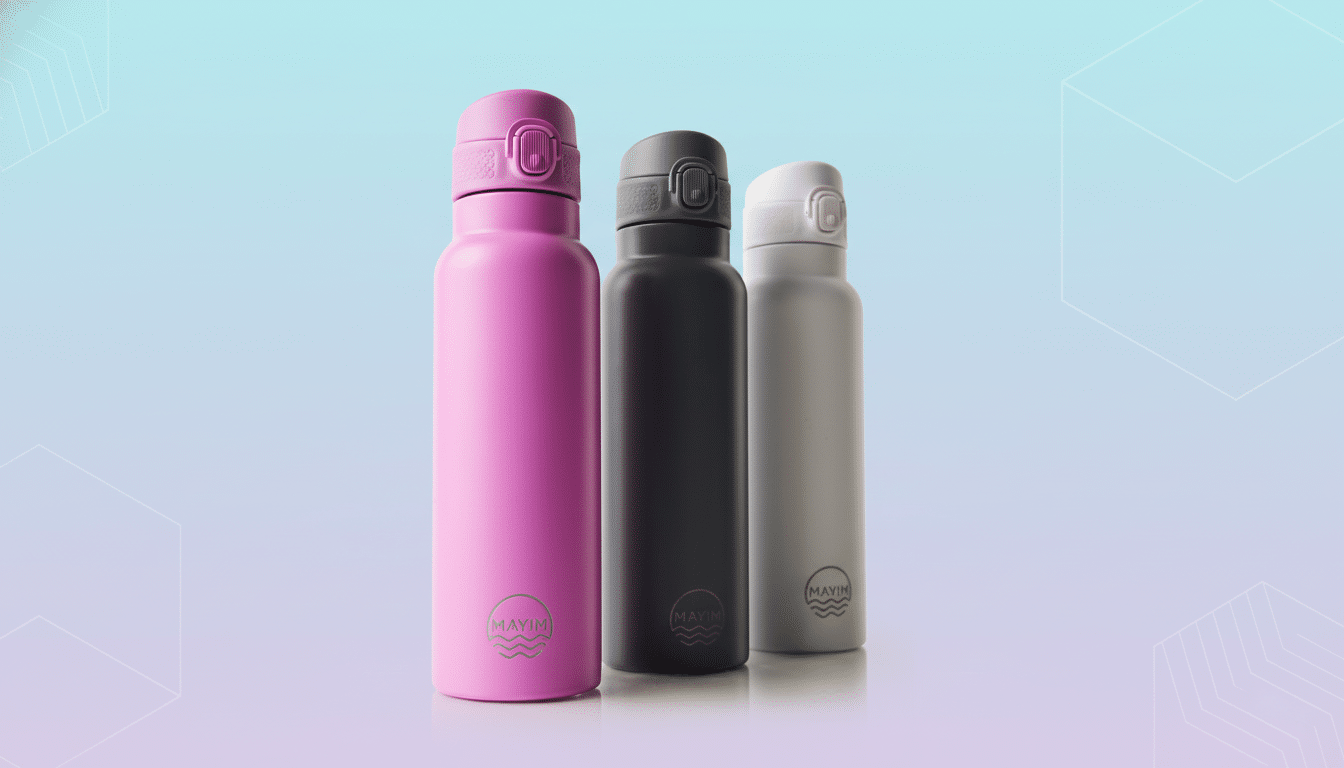
MayimFlow comes with its own sensors but can also be fed telemetry from other hardware, and can integrate with facility controls and building management tools so that it’s ready to slot into brownfield sites. It’s all about enhancing what the operators already have, rather than ripping and replacing cooling infrastructure.
The Business Case for Early Warning in Data Centers
For facilities teams, it’s mean time to repair and mean time between failures. Stopping a leak can help you avoid both unplanned downtime and additional damage to your racks, PDUs, raised floors and so on — all of which become more expensive once water has begun to travel. Industry reports from the likes of the Uptime Institute itself and the Ponemon Institute have consistently proven that downtime minutes add up fast when they happen at cloud or enterprise providers, making a subscription that enables predictive maintenance an easier pill to swallow than responding after the fact.
There’s also an insurance dimension. Underwriters are increasingly calling for proactive controls of critical cooling systems, and operators who can demonstrate predictive maintenance or around-the-clock monitoring will often get better terms. For hyperscale and colo providers that operate on razor-thin margins across power and real estate, cutting a fractional percentage point of outages can have a meaningful effect on availability metrics.
Team Experience and Growth Plans for Expansion
Khazraee had previously worked on infrastructure at IBM, Oracle and Microsoft, and he brought onboard COO Jim Wong, a former data center executive, as well as CTO Ray Lok, who has experience in water management and IoT. Their thesis is simple: Use inexpensive sensors and edge AI to turn a hidden mechanical risk into a visible, schedulable maintenance task.
While the first target is data centers, the same roadmap applies to hospitals, industrial facilities and commercial buildings that house pressurized water networks in close proximity to expensive equipment or crucial business operations. The company said it can assist users with water conservation and leak detection, aligning with corporate sustainability programs generally and audit requirements from organizations such as CDP and the ISO committees in particular.
A Picks and Shovels Play for the AI Era’s Uptime
As AI buildouts grow, the ecosystem for reliability tooling also expands with compute. MayimFlow is hoping to be part of that necessary — if less sexy than new hardware or GPUs — layer, keeping systems online. If the company can reliably provide day-ahead leak predictions — without inundating operations with a deluge of false positives — then operators will look at it as a lever for uptime and water stewardship.
The pitch is straightforward and of the moment: Squeeze big data into a little pipe, and stop wasting water. For an industry whose availability is measured in nines, that’s the kind of edge that adds up.
