


MANGMI’s Snapdragon 865, Android handheld has moved one step closer to becoming real with a fresh teaser and swiftly deleted spec sheet pointing towards its true-believer nostalgia, in the form of a 7-inch OLED screen, said flagship Qualcomm mobile processor and yes: a certain classic Nintendo portable shade.
The Pocket Max appears to be poised for performance far beyond its size and leans into design elements that handheld aficionados would actually want to use as a daily carry.
Leaked Specs Suggest Capable Core Hardware
An image shared to the brand’s official X account — which has since been deleted but saved by Redditors — details a Qualcomm Snapdragon 865 on board along with 8GB of RAM (LPDDR5) and 128GB of storage. On paper, it’s not bleeding-edge, but is a shrewd selection for an emulation-first device. The 7nm 865 is still reliable with respect to solid thermals and mature drivers, and we’ve seen it drive the affordable Retroid Pocket 5 and Flip 2 very successfully.
Anticipate generally smooth PSP and PS2 emulation across a wide spread of titles through stalwarts that include PPSSPP and AetherSX2 derivatives, with lighter PS3 and first-gen Switch workloads in play as well — especially when developers provide 30fps caps or adjustable resolutions for their wares. Speaking of which, that 8GB of RAM figure is significant too — we’ve been in a period of rising DRAM costs pointed up by market tracking outfit TrendForce over the course of this year, so that headroom for multi-core plugins, texture packs and ambitious frontends could age well.
Premium 7-Inch OLED and Handheld Ergonomics
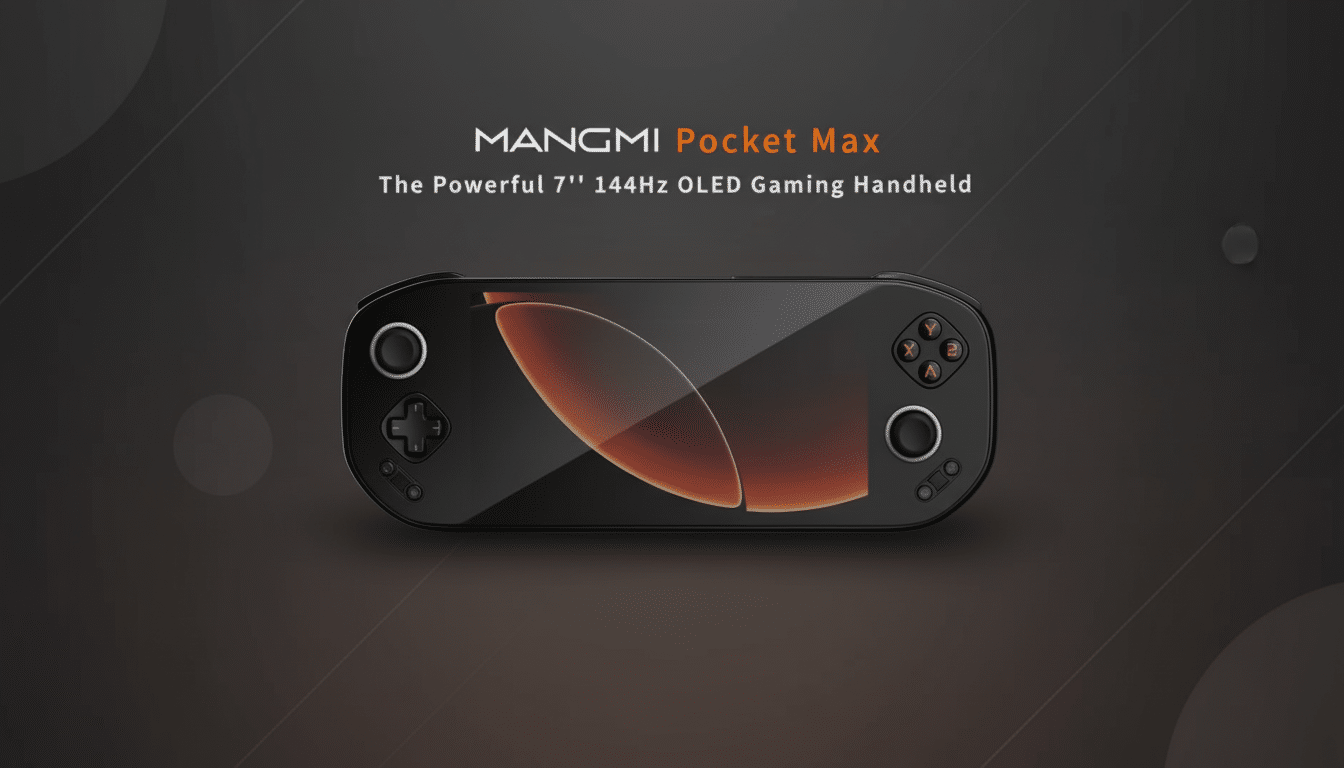
At the top end of that spectrum is a 7-inch OLED. Beyond the headline advantages: inky blacks, near-instant pixel response, and high contrast, OLED makes older games look fantastic by respecting the original color intent from ray of creation to your peepers’ pupils and vanquishing LCD smear in fast 2D action. That’s a size that enters the same visual footprint as the Switch OLED, which many players have already found to be an ideal compromise between big-enough-for-the-couch and portable enough for travel. (While MANGMI hasn’t revealed its brightness or refresh rate, even an ordinary 60Hz OLED can help retro art pop in a way most budget LCD panels just can’t.)
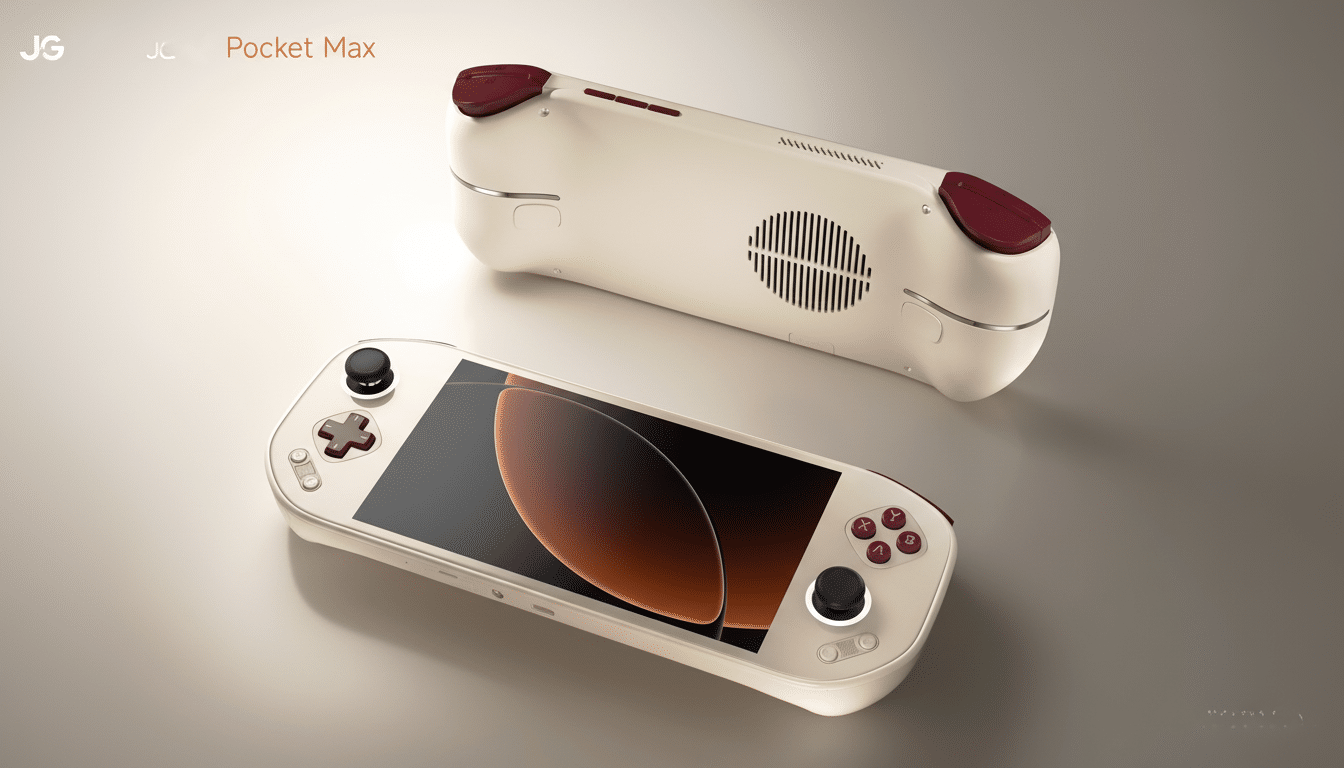
The new images reveal asymmetric analog sticks positioned in an Xbox-like configuration, the presence of a couple of speaker cutouts on the front face and larger venting — probably for thermal management — on its rear side. That last part is important; temperature is key to sustained emulation performance. A well-calibrated fan, or a brainy passive approach, can be all that stands between you and sustained 45–60fps gameplay rather than an afternoon of overheating in epic JRPG battles or effects-heavy racers.
Retro Colorways Add Appeal with Classic-Inspired Style
MANGMI has released three finishes: black, white and a cream-and-mocha combo — reminiscent of the classic-era handhelds from the 1990s. The chrome you see around the grips brings a splash of flair without going over the top. Nostalgia-driven hardware has always been a winner — just look at the run PC modding is having with retro enclosures — so this tasteful blast to the past palette is more than just skin deep. It’s a clever way to distinguish itself in a market filled with so many similar rectangles.
Market Context and Price Outlook for Pocket Max
Now Android handhelds have proliferated in variety and cost, sandwiched between Windows-based powerhouses on one end and cloud-centric portables on the other. The high end races after laptop-class silicon while the sub-$300 segment basks in efficient SoCs and clever design. Taking into account the price of an OLED panel and the bump to 8GB RAM, industry observers will not be shocked if Pocket Max ends up in or around the $200 ZIP code — maybe a little higher depending on storage and chipset cooling.
Availability is the greater question mark. Community whisperings in the brand’s Discord have mentioned delays concerning its predecessor, the $90 AIR X unit — and that history will likely temper timelines for those early Pocket Max adopters. That being the case, there’s still a demand for capable emulation handhelds. As we’ve observed here at Newzoo, with mobile audiences accounting for approximately half of the global game revenue take, it is perhaps no wonder that so many Android-based portables continue to hit the market.
What to Watch Next for Pocket Max Features and Launch
Still missing are key details such as battery capacity, max charging speed, storage expansion and whether cooling is active. Firmware support, gamepad latency and a clean Android build (with launchers like Daijisho or similar in consideration) will make or break whether Pocket Max is polished instead of merely promising. If MANGMI gets the details just right on the 865, 8GB of RAM and OLED stack and pulls off cooling it all in a way that can actually exist inside some users’ pockets, then this might just be one of the most interesting mid-tier Android handhelds of the season — especially with that retro-riffing cream and mocha wrap.
