


What Is A Dynamic Ergonomic Chair And Why It Matters
Dynamic ergonomic seating is built around movement, not just cushioning. Instead of fixing your spine against a static backrest, it adapts as you shift, encouraging frequent posture changes that ergonomists at Cornell University and OSHA have long recommended to reduce strain. The LiberNovo Omni leans hard into this idea with a backrest that flexes in sections, synchronized recline, and powered lumbar support. The question is whether those tricks translate into all-day comfort or just clever engineering.
Design, Setup, And Build Quality Of The Omni Chair
Despite its complexity, the Omni is surprisingly simple to assemble solo. Everything comes in one kit, and the process takes roughly 20 minutes with clear diagrams. Build it where you plan to use it: at about 48 lb, the chair is hefty to carry once assembled, though that mass helps stability when fully reclined.
- What Is A Dynamic Ergonomic Chair And Why It Matters
- Design, Setup, And Build Quality Of The Omni Chair
- The FlexFit Backrest And Recline Experience
- Motorized Lumbar Support And Stretch Mode Features
- Ergonomics Evidence In The Real World And Research
- Price, Warranty, And Competitors To Consider Now
- Should You Buy The LiberNovo Omni Chair Right Now?
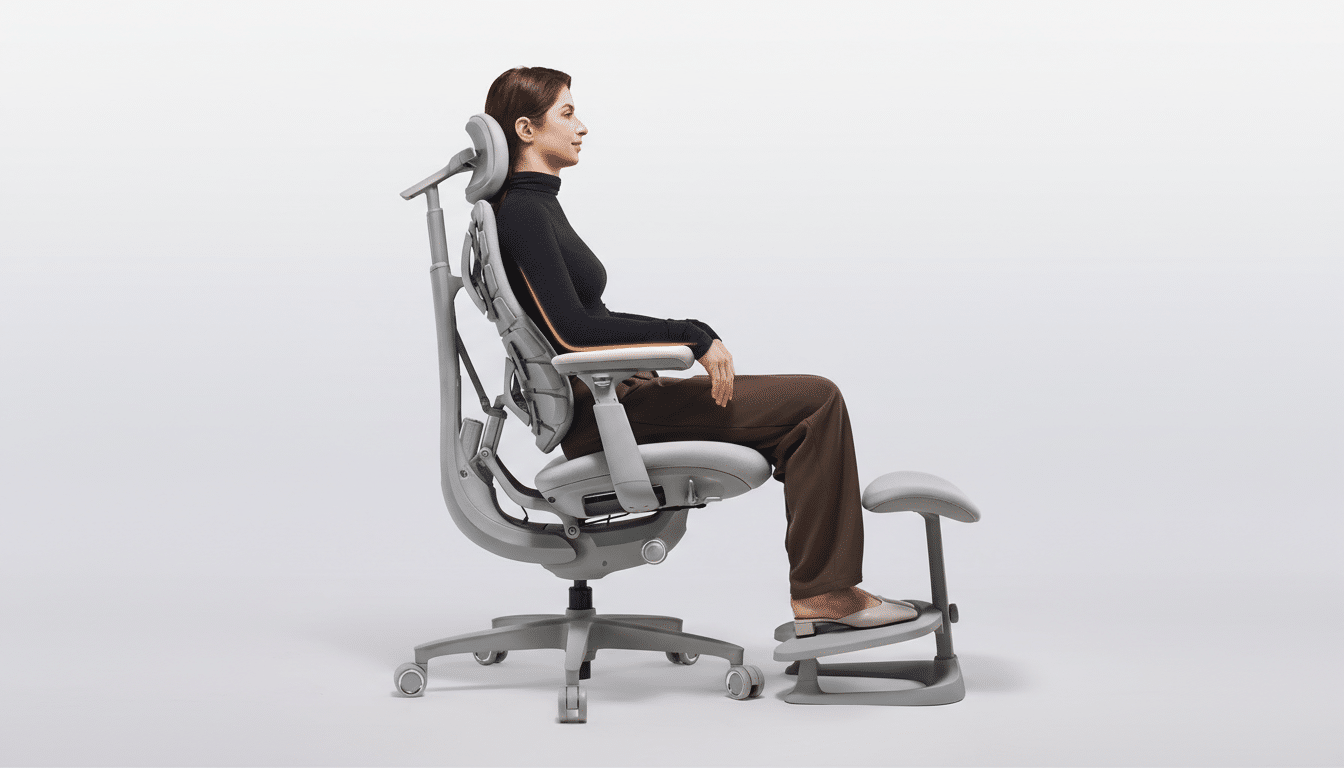
Materials skew toward high-grade polymers over metal, but nothing feels flimsy. The layered foam on the seat, back, and headrest offers plush support that’s markedly softer than mesh—great for pressure relief, less great for airflow. A cooling seat accessory is available if you tend to run warm.
Sizing is more particular than most. There’s no sliding seat pan, so you choose either a 45 cm or 48 cm seat depth at checkout. The chair is recommended for users roughly 153–186 cm tall and up to 300 lb. Get the sizing wrong and you’ll feel it behind your knees or in your lower back.
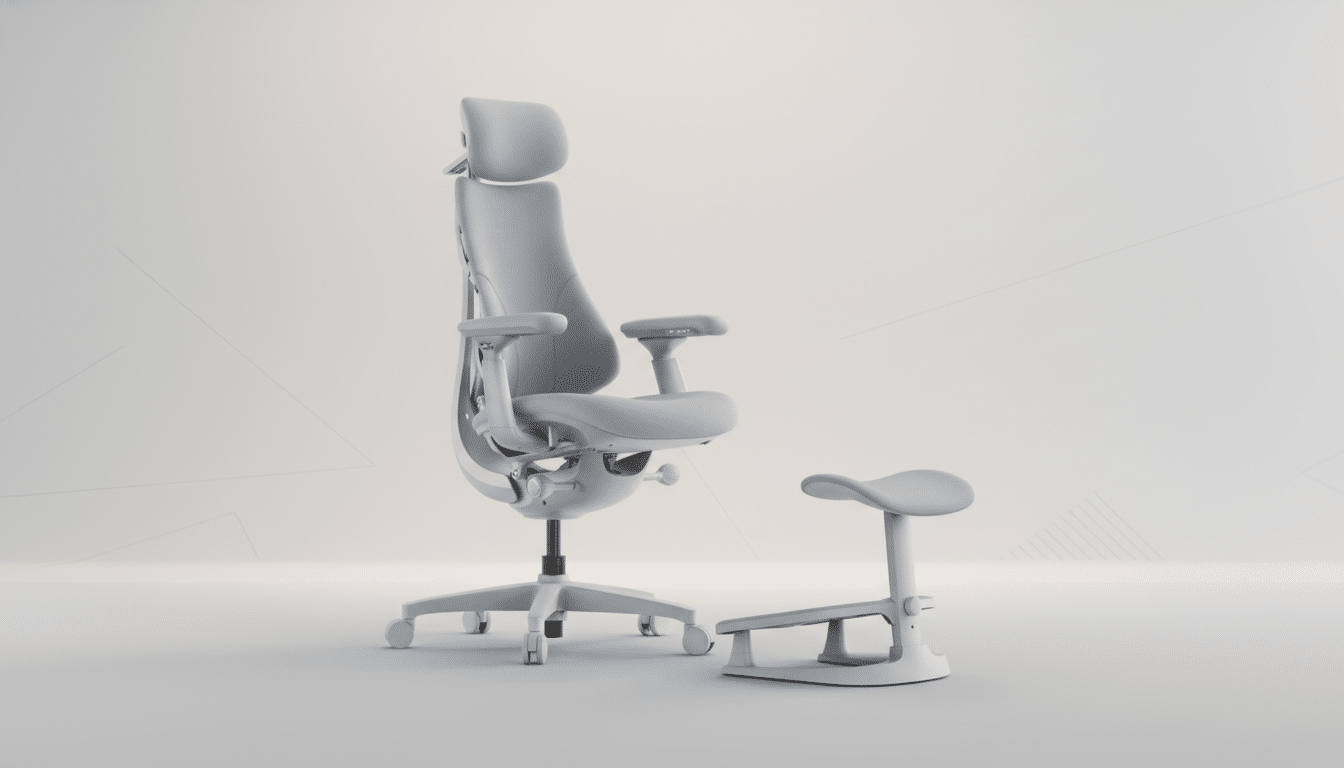
Controls are intuitive, with a smooth recline tension knob and positive lockouts. Two nits: the armrests adjust broadly but are too easy to nudge off your preferred position, and the optional StepSync footrest is featherlight for its size, making it easy to kick out of place. Given its price, most buyers will be happier with a heavier third-party footrest.
The FlexFit Backrest And Recline Experience
The Omni’s signature Bionic FlexFit Backrest uses eight flexible panels tied together by 14 connection points and 16 pivots. In practice, the backrest tracks your torso as you lean left or right and maintains contact during recline. There’s the occasional soft creak—typical for multi-piece designs—but nothing that suggests fragility.
Recline lockouts at 105°, 120°, 135°, and 160° are paired with a synchronized mechanism that moves the armrests and headrest as you lean back, preserving alignment. The 135° setting is an easy favorite for controller gaming or reading, while 160° is stable enough for a power nap. Crucially, lumbar contact doesn’t peel away as you recline, reducing the shear forces that often aggravate lower backs.
Motorized Lumbar Support And Stretch Mode Features
Unusual for an office chair, the Omni includes a USB-C-powered 2,200 mAh battery pack that drives an internal motor to fine-tune lumbar depth at the touch of a button. It’s quiet in use and sips power; occasional charging is all that’s required. The electronics carry a separate warranty, and replacement batteries are available.
The headline extra is Stretch Mode. Recline to 160°, press a dedicated button, and the backrest uses the motor to gently extend your spine by about 1.2–2.0 inches. It’s not a medical device, but for many users it can feel like a controlled, low-effort spinal decompression—especially welcome late in the day.
Ergonomics Evidence In The Real World And Research
Why does any of this matter? The CDC reports that roughly 25% of adults sit more than eight hours a day, and Bureau of Labor Statistics data shows musculoskeletal disorders account for about 30% of lost-time workplace injuries. Research from ergonomics programs at Cornell and other institutions consistently suggests you should vary posture, move often, and keep the lumbar region supported to reduce cumulative load.
Dynamic mechanisms help because they make micro-movements effortless. The Omni’s synchronized recline and panelized back keep contact through a wide range of angles, nudging you to shift rather than lock into one posture. The trade-offs are real—warmer seating than mesh, no seat pan depth adjustment, and armrests that can drift—but the movement story holds up.
Price, Warranty, And Competitors To Consider Now
With an MSRP of $1,099 and frequent promotions that dip closer to $850, the Omni undercuts flagship chairs from established names. Herman Miller and Steelcase models often exceed $1,200, and while they’re class leaders in finish and long-term support, they don’t offer motorized lumbar or a stretch routine out of the box.
The caveat is warranty depth. The Omni’s primary warranty is shorter than the 12-year coverage common from those premium brands, and LiberNovo is a newer entrant. A 30-day trial helps, but buyers should factor potential return shipping costs and the realities of oversized freight.
Should You Buy The LiberNovo Omni Chair Right Now?
Choose it if you want a chair that actively encourages movement, you often recline for deep-focus work, gaming, or short breaks, and you value lumbar support you can dial in with buttons. The stretch feature, while not clinical therapy, is a pleasant safety valve for tense backs.
Skip it if you run hot and prefer airy mesh, need granular seat pan adjustments for long femurs, or require rock-solid armrests that never wander. If maximum warranty coverage is non-negotiable, a classic from Herman Miller or Steelcase may be safer.
Verdict: The LiberNovo Omni is one of the most inventive office chairs available now—less a gimmick than a cohesive approach to movement, support, and relaxation. It’s not flawless, but for many bodies and workflows, this dynamic design hits a sweet spot that static chairs struggle to match.
