


LG to introduce art TV series at CES 2026, taking aim at Samsung’s category-defining The Frame. The new 55- and 65-inch Gallery TVs pair 4K MiniLED hardware with swappable magnetic frames and a pre-installed art library that seeks to combine interior decorating sensibilities with high-end TV performance.
What LG Is Bringing With Its New Gallery TV Line
The Gallery TV line aims to appeal to the same living-room aesthetic that The Frame popularized: a display that masquerades as wall art when it’s off and a high-end television when it’s time for a video viewing session. LG’s sales pitch boils down to an anti-reflective panel, a dedicated Gallery Mode enhanced for real-life color and brightness, and minimalist frames that attach via magnets so they better match a room, without tools.

Under the hood, these 4K sets utilize MiniLED backlighting for better contrast control and higher peak luster than standard LCDs, a crucial consideration where matte finishes that cut glare are involved. LG’s Alpha 7 AI processor takes care of upscaling and motion, and an AI audio mode simulates a virtual 9.1.2 surround effect to add full sound without the need for extra speakers.
Art Mode software and services for LG’s Gallery TVs
LG’s Gallery+ service will be available with about 4,500 pieces of artwork from fine art, cinematography visuals, games and animation. The library turns over every month, a mix of free selections alongside paid content served up via webOS Pay. And that cadence matters — lifestyle TV owners are known to “start over” with new collections relatively frequently in order to keep their walls “feeling fresh.”
In addition to licensed works, LG says you can create custom pieces using built-in generative AI tools and draw from personal photo libraries. You can also send ambient audio over Bluetooth along with the images, whether it’s preset soundscapes or a track from your go-to streaming service, which contributes to an even more gallery-like feel at home. Amazon followed a similar path, weaving generative on-TV videos into Fire TV’s interface, and I think this is becoming table stakes for the genre.
How LG’s Gallery TV stacks up to Samsung’s The Frame
Samsung’s own The Frame established the template in 2017 with a matte 4K QLED panel, interchangeable bezels and an extensive art store. It has since grown to cover an extremely wide range of sizes, up to 85 inches, and features like a motion sensor that limits power use when no one is in the room. Samsung is continuing to build its ecosystem, announcing a native Google Photos app coming to its TVs in 2026, which enhances personal-gallery use cases.
LG’s differentiation seems to come down to two things: MiniLED hardware with a new anti-reflective stack, and a content strategy that includes both licensed compositions and user-generated art. Though LG is all about OLED in home theater, it makes clear practical sense for MiniLED here — elevated maximum brightness to counter that matte diffusion and allow detail to survive in daylight while tangibly adding punch to textures of art and brushwork.
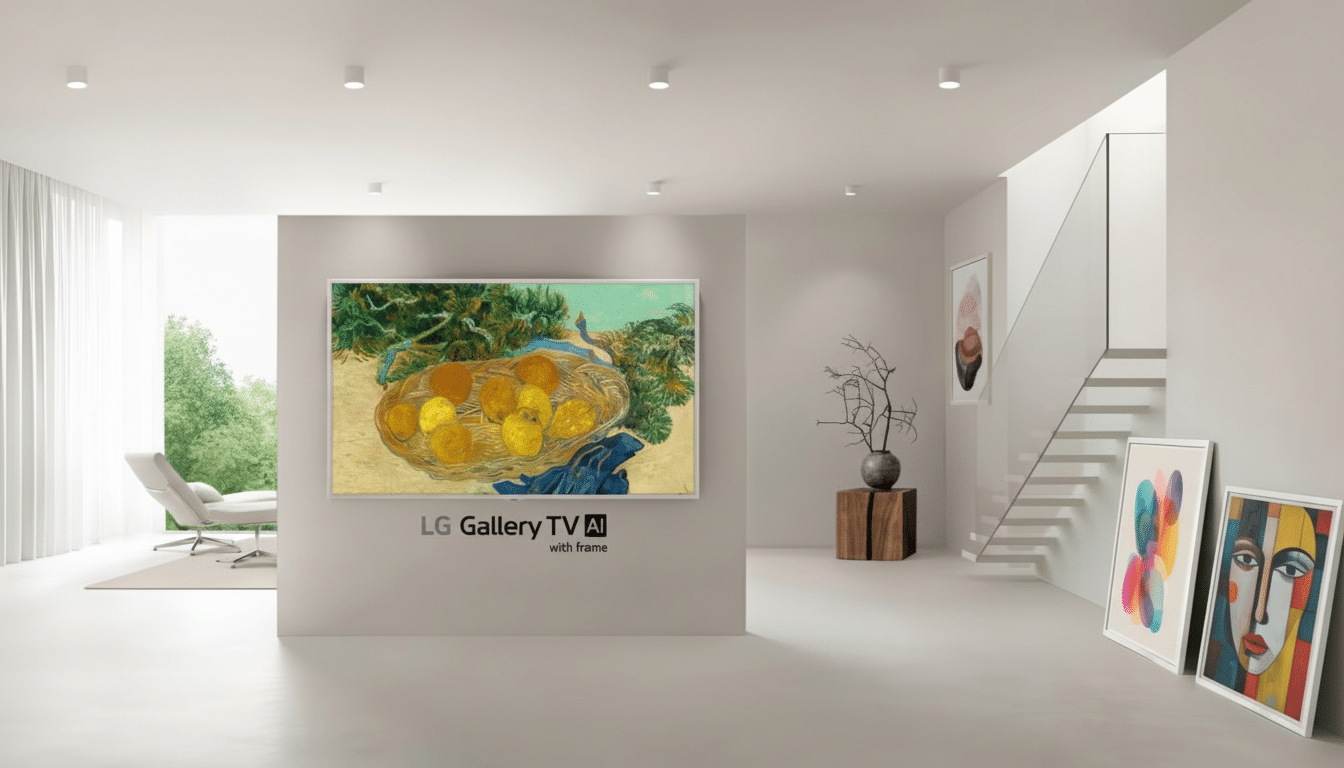
And another smart touch is the magnetic frame system. The rub with lifestyle TVs, however, has been the extra expense and trouble that come with swapping out bezels. Both of those should be diminished in a quick-swap model, ideally spurring seasonal or thematic refreshes. If LG prices frames aggressively and offers a wide range of finishes, it could sway fence-sitters who are receptive to the idea but recoil at accessory prices.
Pricing and availability for LG’s new Gallery TVs
Pricing and ship dates for LG have not been announced yet, but the company says it will show a wider range of Art TVs at CES. You can expect to see LG pricing the Gallery TV up there alongside premium MiniLED sets, with the frames and Gallery+ content as the lifestyle upsell. The key variables to monitor: total cost of ownership (TV plus frames plus subscriptions) and how aggressively LG expands sizes above 65 inches to match Samsung’s variety.
Why lifestyle TVs matter for the market right now
Analysts at other firms like Omdia and the Consumer Technology Association have noted a steady march toward larger screens and premium features as global TV shipments waxed and waned.
READ MORE: The future of the television industry
Lifestyle models fit into that arc by treating the TV as furniture, not just a display screen — an approach that resonates with design-conscious buyers looking to upgrade living spaces more than for raw specs.
“The Frame’s success for Samsung — strong and sustained since we launched it five years ago — has proven that when art, UX and industrial design intersect, there is a lasting demand.” “That intersection was something Taino encouraged us to think about from the start of this collaboration.” LG’s decision legitimizes the segment and increases competitive pressure for content partners, matte display engineering and accessory ecosystems. If LG can provide solid anti-glare and a compelling Gallery+ catalog on day one, there is clear room for innovation in the lifestyle TV market.
