


I spent hours testing the LG G5 and LG G4 side by side, cycling through calibration patterns, HDR films, sports, and games in both daylight and a darkened room. Despite the G5’s fresh hardware and bolder brightness claims, the G4 walked away as the surprise winner thanks to more consistent picture accuracy, cleaner tone mapping, and better out-of-the-box results for home theater use.
How I Tested Both LG OLEDs and Measured Real Performance
I used Filmmaker Mode on both sets, disabled all dynamic processing, set a D65 white point, and verified EOTF tracking against the ST 2084 curve with a colorimeter and calibration software. I referenced patterns from Spears & Munsil UHD HDR Benchmark and real content including Oppenheimer on UHD Blu-ray and Dolby Vision streams. I also measured input lag and motion with a 120Hz signal, then pushed VRR and high frame rates from a PC and current-gen consoles.
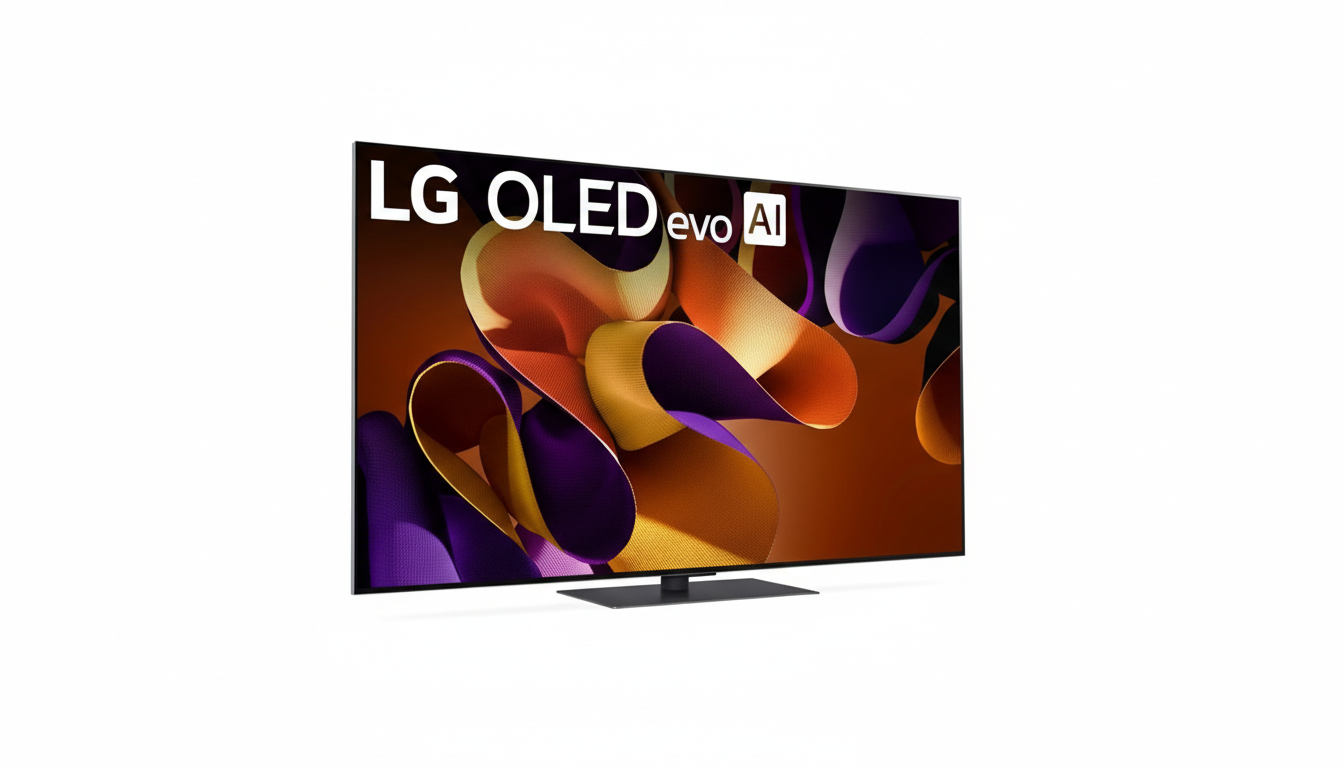
Both models tested were 65 inches, each wall-mounted to mirror the “Gallery” intent. I repeated measurements after a brief panel warm-up and again after a longer session to gauge ABL behavior during extended HDR playback.
Picture Quality Head-to-Head: Accuracy, Brightness, Detail
Brightness is the G5’s headline. LG’s marketing positions its tandem OLED architecture as a big leap, with talk of highlights reaching into the multi-thousand-nit range. In my sample, peaks never approached those big numbers in calibrated modes. I measured HDR peaks closer to the high-1000s on a 10% window, with full-field brightness similar to premium OLED norms. The G4, while nominally dimmer on paper, delivered steadier highlight control and less clipping in demanding scenes.
On EOTF tracking, the G4 adhered more faithfully to the PQ curve in Filmmaker Mode, which preserved specular detail in fireworks, metallic reflections, and sun glints on water. The G5’s tone mapping occasionally pushed mid-to-high luminance into a slightly flatter, hazier look, softening fine textures in challenging HDR shots. The effect was most visible when I froze identical frames on both screens and stepped through them slowly.
Color accuracy favored the G4 out of the box. Post-calibration, both were excellent, but the G4 posted lower average error and delivered richer yet natural skin tones. Color volume was strong on both, with wide P3 coverage inside a 4K HDR signal as you’d expect. Near-black handling was a highlight for the G4: shadow gradients in dim scenes showed fewer artifacts and less raised black than the G5 sample, an area where many OLEDs struggle if tone mapping is too aggressive.
Uniformity was solid across both panels, though my G4 sample showed slightly cleaner near-5% slides. The G5’s ABL felt a touch more assertive during long, bright scenes, causing subtle luminance dips that became visible in side-by-side comparisons.
Gaming Performance and Motion: Lag, VRR, and Frame Rates
Gamers will appreciate both TVs. Each offers four HDMI 2.1 ports with 4K 120Hz, VRR, ALLM, and support for both NVIDIA G-SYNC Compatible and AMD FreeSync Premium. Input lag measured in the single digits at 120Hz on both, with the G5 posting a slight edge in my tests. LG’s quoted 0.1ms pixel response delivers the expected razor-sharp transitions with minimal blur.
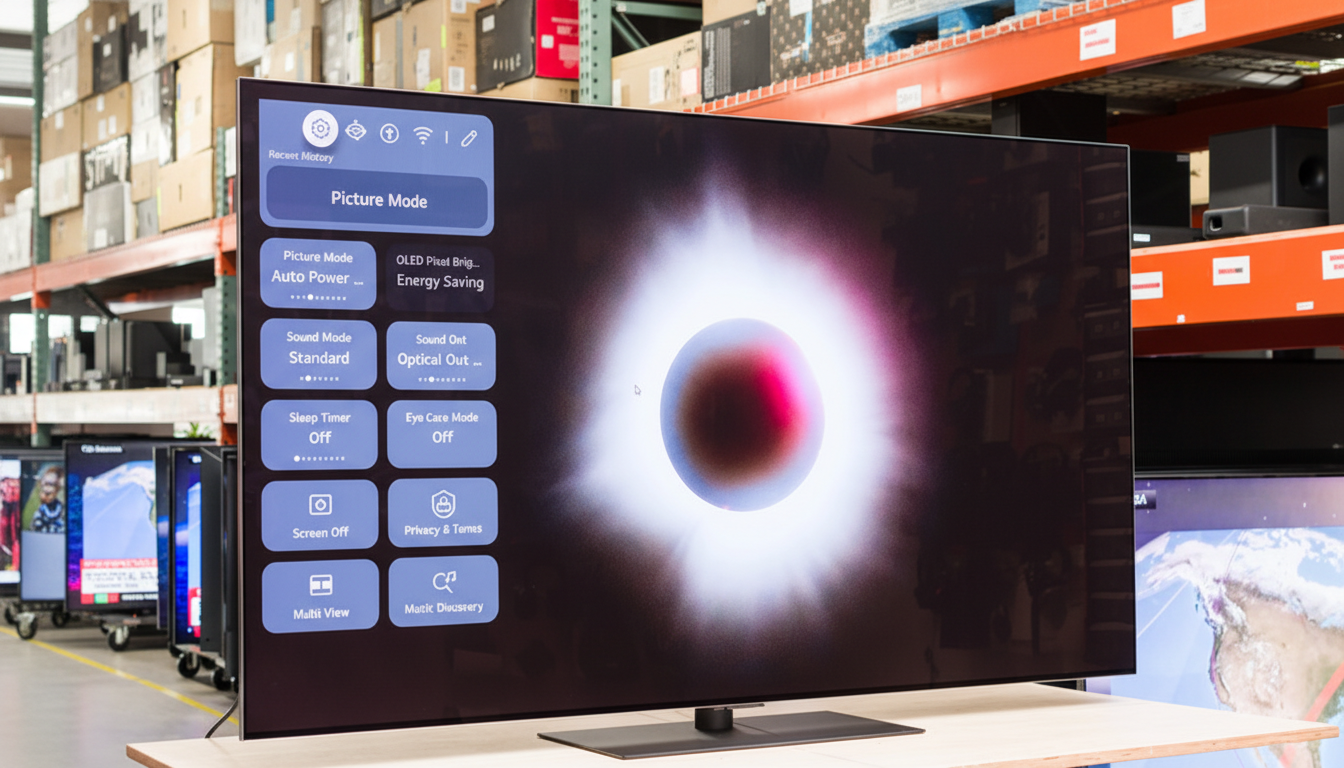
The G5’s 165Hz “boost” mode is a nice perk for PC users who want maximum frame rates, while the G4 tops out at a 144Hz boost. In practice, both handled fast shooters and racers beautifully, with stable VRR windows that kept motion smooth and tearing-free. Dolby Vision gaming at high frame rates also worked as expected on compatible titles.
Design, Smart Features, and Audio: webOS and Atmos Notes
Both models embrace the Gallery aesthetic: ultra-thin chassis, near-invisible bezels, and a flush mount. The webOS experience is responsive, with the usual stack of streaming apps preloaded and strong voice control support. AI Picture modes remain optional; enthusiasts will prefer Filmmaker or ISF presets for accuracy.
Audio is competent for built-ins. Virtualized Dolby Atmos staging sounds larger than the cabinets suggest, and eARC makes it easy to hand off to a soundbar or AVR. Recent firmware initiatives from the company have also focused on audio enhancements across current OLED lines, which is welcome if you’re not adding external speakers.
Value Verdict and Who Should Buy Which LG OLED Model
The G5 is an ambitious refresh with higher claimed brightness potential and a 165Hz hook for PC gamers. But my unit’s inconsistent tone mapping and occasional haze in fine detail kept it from sealing the win. The G4, by contrast, was consistently excellent: truer EOTF tracking, more reliable highlight detail, and superior out-of-box color accuracy.
There’s also price reality. Street prices have favored the G4 for months, often making it 15–30% less than comparable G5 sizes. Unless you specifically need the G5’s 165Hz boost or live in an unusually bright room where its extra luminance might show advantage in your sample, the G4 remains the smarter buy for most people building a reference-grade living room or dedicated theater.
Bottom line: In real-world viewing, the LG G4 is the surprise winner. It delivers the kind of balanced, cinematic image that industry bodies like the UHD Alliance and professional calibrators champion—and it does so with fewer caveats than the newer model.
