


Lego’s first-ever CES appearance brought a brand-new line called Smart Play, featuring a Smart Brick that lights up, interacts with motion and proximity, and has sound effects onboard. In one Star Wars demo, the brick glowed like a TIE fighter’s stare and played lightsaber whooshes — no phone or app needed. Even Luke Skywalker’s new minifigure can make his saber emit sound on its own, pointing to a broader shift in how Lego combines tech and tactile play.
What the Smart Brick actually does and how it works
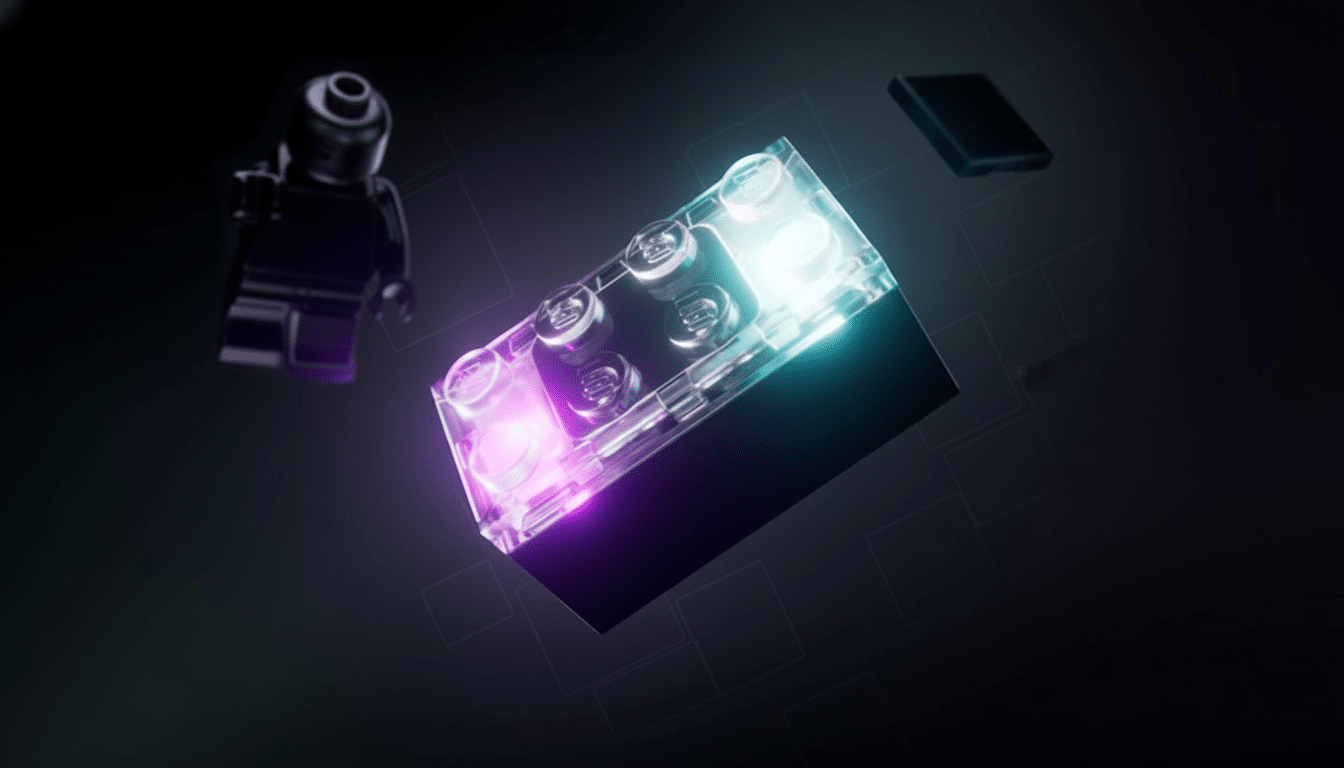
When turned off, the Smart Brick looks like an ordinary, clear, rectangular block. Awaken it with a shake, and it comes to life, sensing the surroundings via on-brick sensors that respond to light, color, and distance, before displaying patterns on its dynamic LED matrix screen and emitting on-brick RGB lighting and sound. And in hands-on demos, bricks changed color depending on how close they were to a board — or to each other — and made motion-appropriate sounds when connected to vehicles, from swoops to crashes.
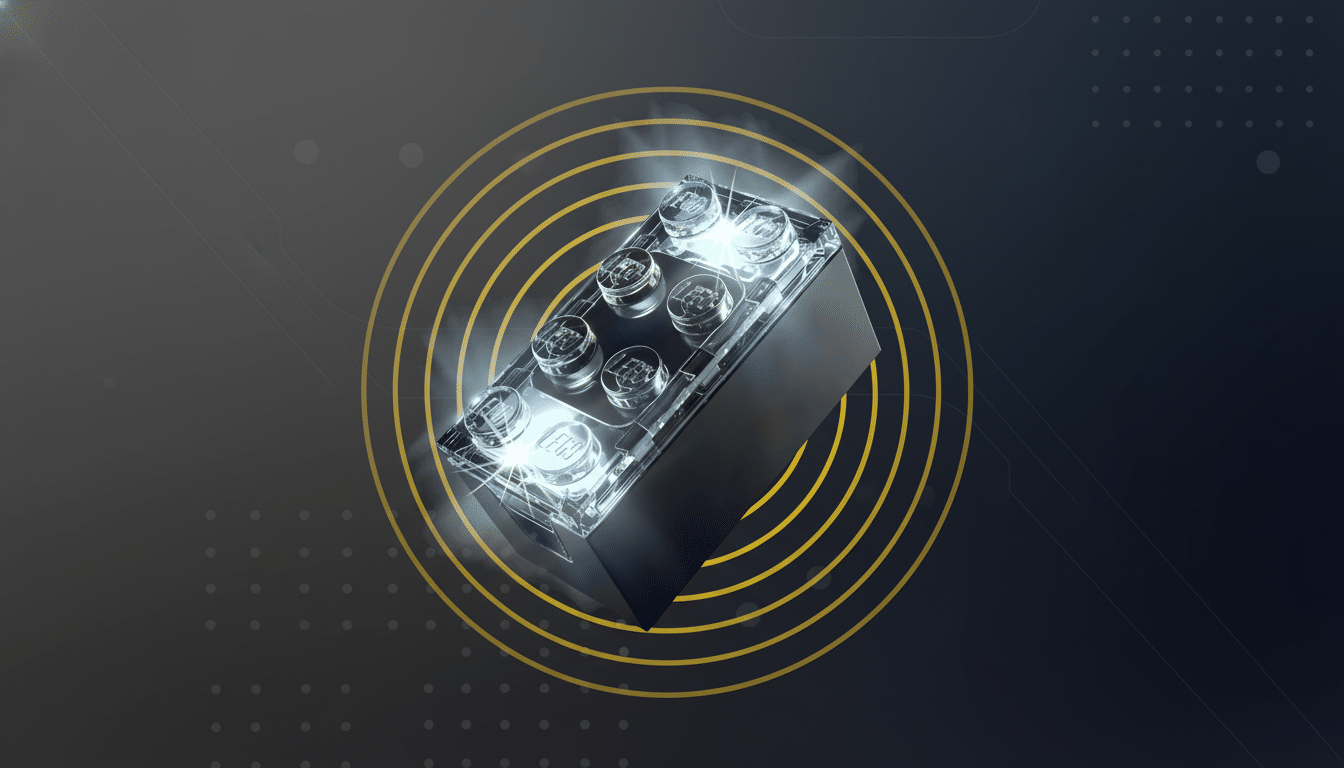
A tiny Smart Tag clicks into the center of the brick and tells it how to act in a play scenario. Consider the tag a mini play card: swap it and you hand control of that brick over from starfighter thrums to animal noises or racing effects. Lego hasn’t yet made clear whether a tag can hold multiple modes or if families will collect several tags to cover additional thematic content, but the physical “programming” metaphor is deliberately kid-friendly and screen-free.
Location-aware play was also on display. We moved the toy cars to a target, and the nearest one “won,” their Smart Bricks changing color as they were programmed. That form of lightweight spatial-sensing is the quiet innovation here — it lays rules on classic races, obstacle courses, or build challenges without driving kids to a companion app or complex setup.
Star Wars sets lead the charge at Smart Play launch
Come March, Star Wars kits will take star billing at launch: an X-wing with Luke; a TIE fighter with Darth Vader; and a Throne Room scene made for dueling.
The Smart Brick can emphasize any role — engine hums for starfighters, saber swings for Jedi clashes — while new Smart Minifigures provide character-specific cues. In one cheerful demo, figures even yelped when a car bonked into them, taking story beats past the static minifigs and printed tiles.
And perhaps most crucially, the brick fits into builds like any other piece. That preserves the “system of play”: children can pop the smart component into a wing one day and a dungeon torch the next, using the same hardware across sets. Lego’s most impressive tech works when it respects that modular DNA.
Screen-free tech with familiar bricks and classic play
Lego has been playing with digital layers for years, from app-centric robotics to augmented reality themes. Some over-index on screens and fade fast (say, AR-centric lines); others skew older and need adult supervision (I hear a lot of noise about coding kits). Smart Play tries to find a middle ground: immediate, audible, and visual feedback from the brick itself, with gestures and proximity designed to keep eyes on the model, not on a tablet.
That design choice reflects what parents say they want most. Common Sense Media’s newest study finds that the average daily recreational screen time for tweens and teens remains high — prompting families to search for activities that pull kids back toward hands-on creativity. By integrating sound and light into the build, Lego minimizes friction and bypasses the “where’s the app” bottleneck that can deflate a Saturday afternoon project.
Open questions before launch: price, power, durability
Pricing, battery life, and how they’ll be recharged have not been shared — and in cases like these, those specifics absolutely matter. The tiny brick that needs recharging twice a day could reside on a desk, not in a spaceship. Durability is a concern too: the module will be subject to drops, sharp turns, and some enthusiastic lightsaber swings.
The Smart Tag is good in theory but hazardous if a different tag is needed for each specific behavior. And a more user-friendly option, like one tag with multi-mode or tags packed as sets, might strike that balance between elegance of simplicity and replay value. Look for that clarity once the Star Wars kits approach shelves.
Why this move matters for Lego and hands-on play
Licensing has long fueled Lego’s blockbuster sets, and Star Wars continues to be among the biggest draws, according to industry trackers like Circana. But the heart of the brand remains freeform construction. The beauty of Smart Play is that it can make any licensed or original build feel animated without taking the activity overboard into software lesson land.
If Smart Bricks offer reliable and low-friction feedback, it might just be the next widely reused “power function” across themes — similar to lights or motors in generations past. The early demos indicate that Lego is focusing on intuitive, physical cues — shake to wake, color to confirm, sound to celebrate — rather than complex connectivity. That’s a smart understanding of how kids really play: quick setup, big payoff, right back to building.
