


The new tech-meets-play system from Lego is making quite a stir at CES with a Smart Brick that lights up and plays motion-reactive sounds for the lightsaber on the device—yes, including the whoosh noises we all know and love.
The new Smart Play system combines sensors, color-changing LEDs and on-board audio with traditional studs-and-bricks building styles, launching first in Star Wars sets this spring.
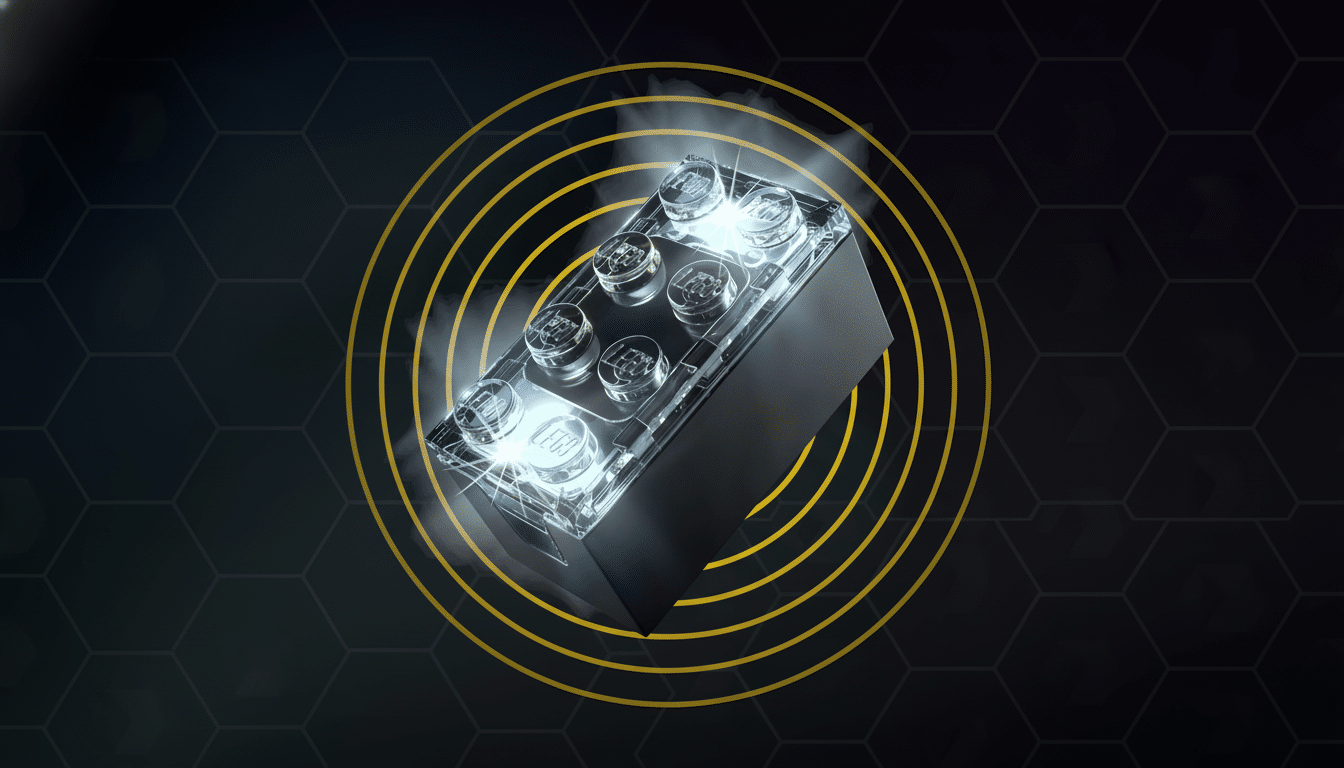
What the Smart Brick Does: Sensors, Lights, and Sound
Key to the lineup is a translucent, square-shaped Smart Brick, which appears normal when switched off as just another building block.
When turned on, it lights up and interacts based on play in real time. The brick comes with light, color, sound and distance sensors as well as a speaker for its effects, Lego said. The bricks in demos changed colors depending on the surrounding surfaces, reacted to how close they were moved toward or away from each other and emitted swooshing or crashing sounds when kids wheeled vehicles or figures around.
In the brick is a snap-on Smart Tag that provides the play instructions—sort of like behavioral “firmware” that can be interchanged. Shake-to-wake controls are easy for kids to understand, and Smart minifigures interact with the system for character-specific responses. The lightsaber experience is the star: swing the chunky-brick blade and you get the familiar hum and whoosh with color glow to match.
Star Wars Heads the Launch With Three Sets and Dates
The first wave crashes down with three Star Wars kits: an X-Wing with Luke Skywalker, a TIE Fighter with Darth Vader, and a Throne Room duel set that transforms tabletop skirmishes into sound-and-light extravaganzas. Availability kicks off March 1, says Lego, with prices ranging from $70 to $160 depending on the build.
That the debut is centered around Star Wars isn’t a coincidence. The franchise is still one of Lego’s most enduring licenses, and Lucasfilm’s lightsabers are practically designed for reactive audio and color effects. Look for those whooshes to be a hook with which to snare both children and collectors.
Another Direction From Lego’s Earlier Tech
Smart Play’s design strategy is a departure from the app-based approach of earlier schemes such as Lego Boost and its accompanying Powered Up ecosystem, to say nothing of the now-retired Mindstorms. Rather than sending builders off to a screen, the Smart Brick situates the interactivity inside the toy itself. It has more in common with Lego Super Mario’s on-brick sensors, but it’s much broader in scope and applicable to vehicles, figures and freeform builds.
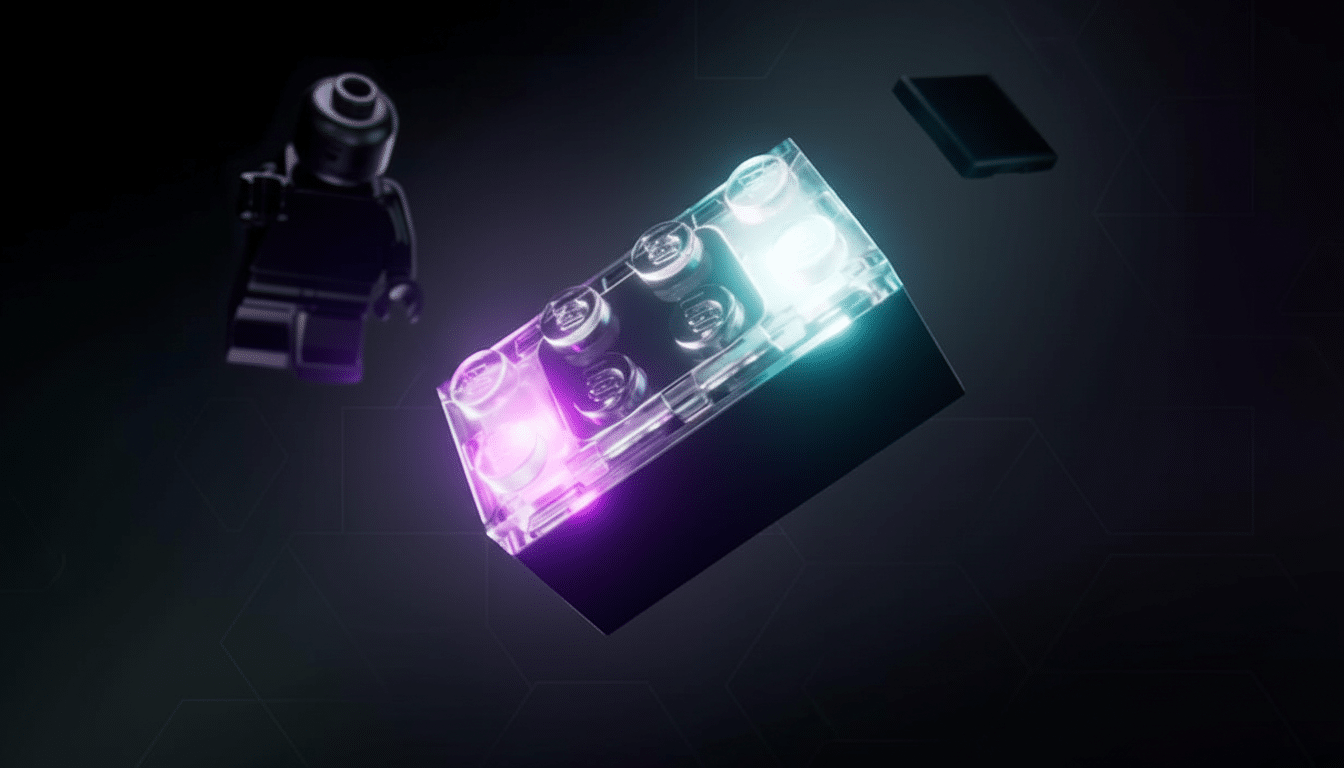
The coolest/strangest part is the Smart Tag concept. If tags are akin to modular behavior packs, Lego could iterate new play styles fast: airplane whooshes today, creature sounds and science demos tomorrow. For families, that keeps sets sparkling new without adding the requirement for an app or a layer of complexity—particularly in living rooms where analog play is competing with phones and tablets.
Early Questions on Smart Tags, Power, and Durability
There are open questions. It’s not yet clear whether each likely scenario will require its own Smart Tag, or how interchangeable tags will be between themes. The question of power and charging is also a black box; Lego isn’t specifying battery life, charge time or policies if you need a replacement for the gadget components. Would the durability be worth considering as well—do these bricks survive drops, knocks and out-of-control lightsaber duels?
Lego has long emphasized the safety and privacy of its toys, including that they meet global toy standards—and there’s no sign here that these bricks somehow include cameras or connectivity likely to spark wider data concerns. The fact that it comes with a sound sensor means no recording but detects noise, and the speaker only plays effects. Look for full specs as the release of retail units approaches.
Why This Matters for Lego, Star Wars, and Playtime
The launch follows years of growth for Lego in the construction toy category. The company is consistently ranked by market researchers at Circana as one of the top toy brands when it comes to sales in all key global markets, and Star Wars continues to be a force for both kids and adult collectors. Embedding reactive tech right in the bricks offers Lego a new way to make sets stand out without shifting focus to a second screen.
There’s also a developmental angle. Organizations such as the American Academy of Pediatrics have for years endorsed deep, hands-on, imaginative play in part to help develop problem-solving and socialization skills. The Smart Brick’s tangible touch screen is designed to hit that sweet spot—augmenting rather than duplicating analog play.
Bottom Line: What to Watch as Smart Play Rolls Out
Lego’s Smart Brick is a smart screen-free step forward that transforms classic builds into light-and-sound activity, and Star Wars is the right setting to launch it. The magic is instantaneous—swoosh, glow, whoosh—while modular Smart Tags suggest a flexible roadmap. The pricing has been established; now all eyes will be on battery life, durability and how widely Lego opens the behavior palette beyond galaxies far, far away.
